Hi, message us with any questions.
We're happy to help!





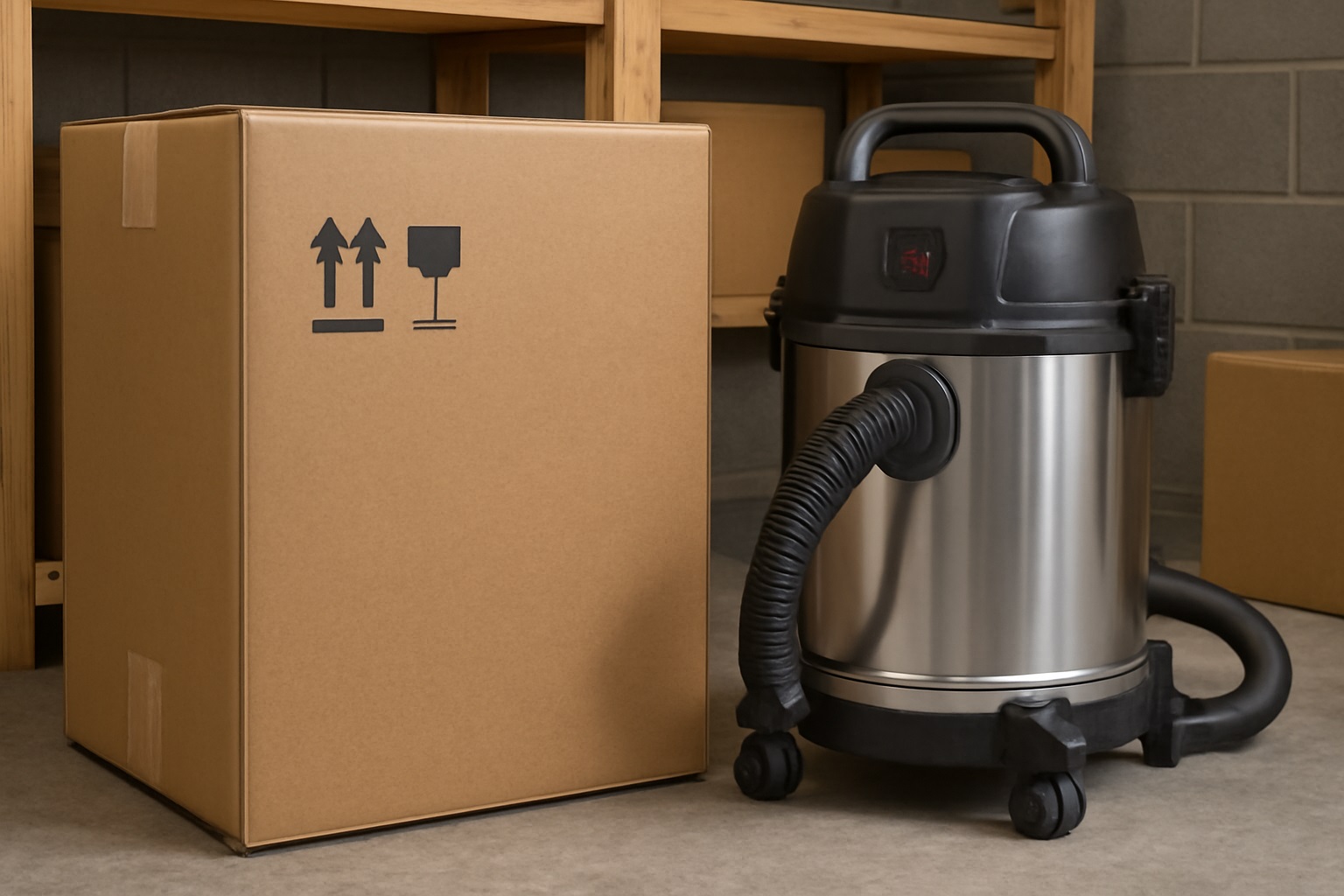
Whether you're shipping upright vacuum cleaners, household vacuum cleaners, or specialized models like vacuum cleaner for hardwood floors or vacuum cleaner for allergies, protecting them from damage during transportation is essential to ensuring they arrive at their destination in optimal working condition. Mishandling during shipping or moving can cause damage to critical components, reducing the vacuum’s efficiency or even rendering it unusable.
In this guide, we'll discuss how to properly store and transport your vacuum cleaners, focusing on the specific needs of cordless vacuum cleaners, fast lightweight vacuum cleaners, and other models. Proper storage and handling can extend the life of your vacuum and prevent unnecessary repair costs.
📦 Preparing Vacuum Cleaners for Transportation
When it comes to transporting vacuum cleaners, taking the time to properly prepare them is the first step in avoiding potential damage. Here’s how to prepare your vacuum before moving or shipping it.
1. Clean the Vacuum First
Why It’s Important: Cleaning your vacuum before moving it helps prevent debris or dirt from entering internal components during transport. Dust, dirt, or liquid left inside the vacuum can damage the motor, filters, or other sensitive parts.
How to Clean:
Empty the dustbin or bag to avoid spillage or clogging during transport.
Wipe down the exterior with a dry cloth to remove any loose dirt or dust.
If the vacuum has filters, clean them thoroughly. If the filters are washable, dry them completely before reassembling the vacuum.
2. Disassemble Removable Parts
Why It’s Important: Removable parts, such as hoses, brush rolls, or battery packs in cordless vacuum cleaners, can easily get damaged or misplaced during transportation.
How to Disassemble:
Detach any hoses, brushes, or wands that can be removed. This prevents them from being bent or broken.
If your vacuum has a removable battery, take it out to prevent it from being damaged by accidental power-on or temperature changes.
🛡️ Protecting Vacuums During Shipping or Moving
Proper packaging and careful handling during transport are critical to avoid damage. Here’s how to protect your vacuum during shipping or moving:
1. Use Proper Packaging Materials
Why It’s Important: Using the right packaging materials ensures that the vacuum stays secure and cushioned during transport. Fast lightweight vacuum cleaners and vacuum cleaners for allergies may be more delicate and require extra protection.
How to Pack:
Box Size: Select a box that’s slightly larger than the vacuum to allow space for cushioning materials. Avoid using a box that is too large, as the vacuum can shift and get damaged during transit.
Cushioning: Wrap the vacuum and any detachable parts in bubble wrap or foam padding to protect them from impacts. Make sure all components, including the brush rolls and attachments, are well-padded.
Seal the Box: Use strong packing tape to seal the box securely, ensuring that it can handle the weight and prevent accidental openings during transport.
2. Use Special Crates for Sensitive Models
Why It’s Important: For high-end models like vacuum cleaner for hardwood floors or vacuum for allergies, a specialized crate or protective case can offer extra protection from external pressure, rough handling, or jostling during transport.
How to Protect:
For premium models, consider using a crate that secures the vacuum inside and adds an extra layer of protection around the vacuum.
Add fragile stickers or labels to the box, indicating that the contents are delicate and require careful handling.
3. Secure the Vacuum During Transport
Why It’s Important: Even when packed correctly, ensuring the vacuum is secured in the transport vehicle prevents it from shifting or tipping over, which could cause internal damage.
How to Secure:
If transporting by car, use soft materials like blankets to cushion the vacuum and ensure it stays in place.
In a moving truck, secure the vacuum with straps or ropes to prevent it from sliding around or falling over. Place it upright, if possible, to maintain the vacuum's internal structure.
📦 Storing Vacuums to Prevent Damage
Proper storage of household vacuum cleaners and other models is just as important as transportation. Storing your vacuum in a safe, controlled environment will help prevent damage and prolong its lifespan.
1. Store in a Dry, Cool Location
Why It’s Important: Vacuums should not be exposed to extreme temperatures or humidity. Moisture can cause damage to electrical components and rust on metal parts.
How to Store:
Store your vacuum in a dry, cool place away from direct sunlight or excessive heat.
Avoid placing it in areas prone to moisture, like basements or garages, as this can cause mold or mildew growth inside the vacuum.
2. Keep the Vacuum Upright
Why It’s Important: Storing your vacuum in an upright position ensures that the internal components, including the motor and filters, remain in their optimal position and are less likely to be damaged by gravity or pressure.
How to Store:
If storing the vacuum for an extended period, keep it upright and secured to prevent it from tipping over or getting knocked over by other items.
Ensure the vacuum is not stored with heavy objects placed on top of it, which could lead to internal pressure and damage.
3. Remove Detachable Parts for Long-Term Storage
Why It’s Important: Storing detachable parts separately prevents them from getting lost or damaged. It also ensures that the vacuum remains lightweight and easy to move.
How to Store:
Remove the battery (if applicable), filters, and any detachable attachments, and store them in a separate box.
Label all parts clearly, so they can be easily reattached when ready for use.
💡 Conclusion: Protecting Your Vacuum During Transportation and Storage
Proper storage and transportation are crucial to ensuring the longevity of your multi-functional durable vacuum cleaner, cordless vacuum cleaner, or vacuum for multi-surface cleaning. Whether you're shipping or moving your vacuum cleaner for hardwood floors or vacuum cleaner for allergies, using the right packaging materials, securing the vacuum properly, and choosing a safe storage location will prevent unnecessary damage.
By following these guidelines, your vacuum cleaner will be well-protected during transit, and you can rest assured that it will be ready for use when you need it.
Hashtags:
Upright Vacuum Cleaners, Household Vacuum Cleaners, Cordless Vacuum Cleaner, Fast Lightweight Vacuum Cleaner, Vacuum Cleaner for Hardwood Floors, Vacuum Cleaner for Allergies, Vacuum Transportation, Vacuum Storage, Vacuum Cleaner Maintenance, Lanxstar



