Hi, message us with any questions.
We're happy to help!





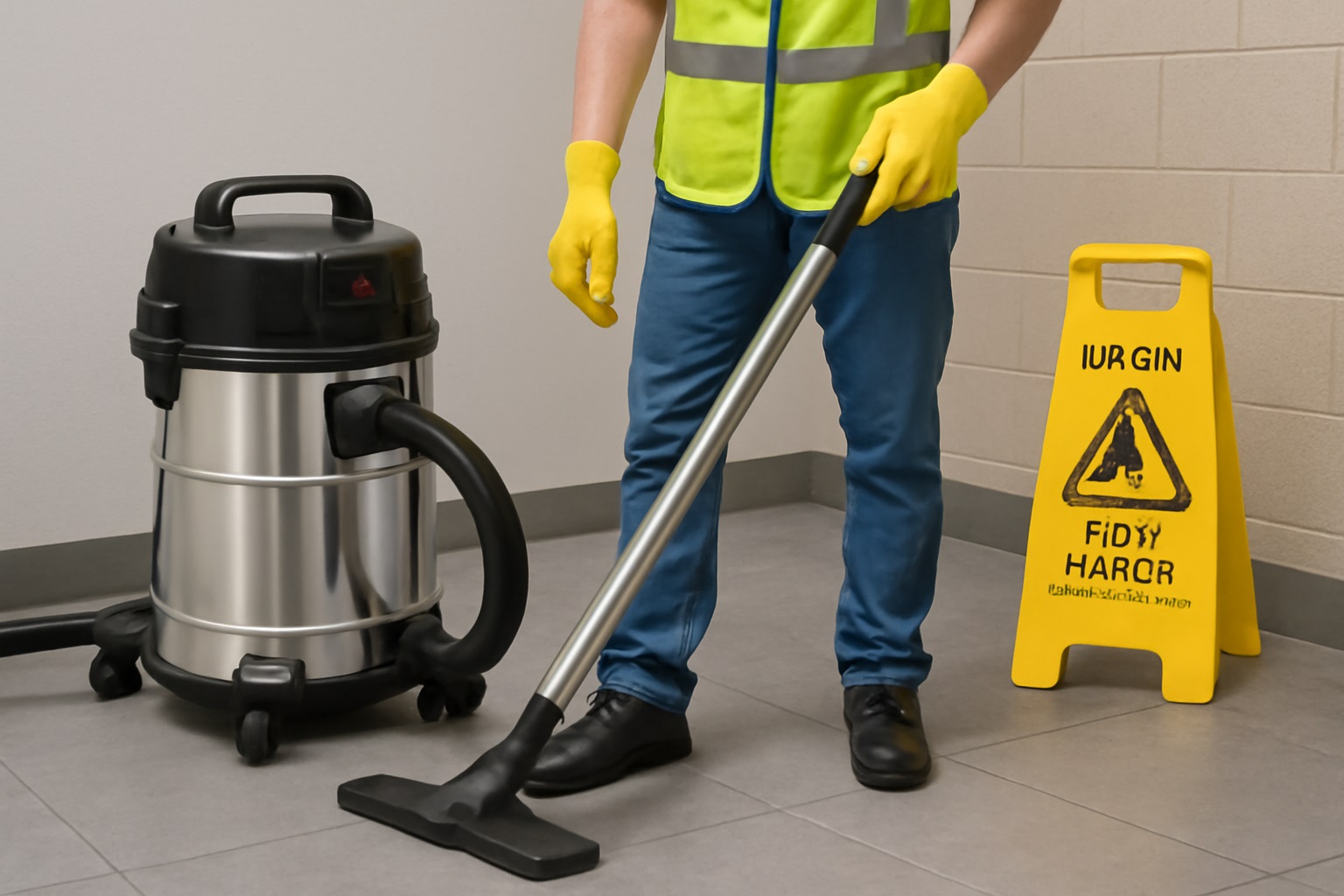
Cleaning teams are essential for maintaining clean and healthy environments, whether in commercial buildings, hotels, or large homes. One of the most important tools in their arsenal is the barrel vacuum. This versatile and powerful cleaning equipment helps teams effectively clean various surfaces, from hardwood floors to multi-surface areas. However, to maximize efficiency and ensure safety, it's crucial to understand the proper usage of barrel vacuums.
This training manual will guide cleaning teams on how to efficiently use barrel vacuums, such as the multi-functional durable vacuum cleaner and the portable self-cleaning vacuum cleaner, and outline safety protocols to prevent accidents. Whether you're working with vacuum cleaners for hardwood floors or vacuum for multi-surface cleaning, this manual will equip your team with the knowledge they need to get the job done effectively and safely.
🔧 How to Efficiently Use Barrel Vacuums
Barrel vacuums are highly efficient and can clean various types of surfaces when used correctly. Their cylindrical design and powerful suction make them ideal for deep cleaning tasks in both commercial and residential settings. Here's a step-by-step guide on how to use them efficiently:
1. Set Up the Barrel Vacuum Correctly
Check Attachments: Barrel vacuums come with a variety of attachments. For multi-surface cleaning, use the appropriate brush heads or nozzle (e.g., a turbo brush for carpets, a hard floor tool for hardwood).
Check Power Settings: Adjust the vacuum's suction power according to the surface type. For hardwood floors, use lower suction to prevent scratches, while higher suction is required for carpets and rugs.
2. Optimize Vacuuming Techniques
Use the Correct Technique: When using a household vacuum cleaner or a multi-functional durable vacuum cleaner, move in a slow, deliberate manner to allow the vacuum to pick up debris more effectively. Avoid fast movements as this can push dirt around.
Work in Sections: Divide the area into smaller sections for better control. Focus on high-traffic areas first, as they tend to accumulate more dirt and debris.
Corners and Edges: Use a crevice tool to clean along the edges, corners, and under furniture. This ensures thorough cleaning and prevents dust from accumulating in these hard-to-reach places.
3. Regularly Empty the Dustbin or Barrel
Empty After Each Use: To maintain optimal suction power, ensure the dustbin or barrel is emptied regularly. This also prevents the vacuum from becoming overloaded, which can impact performance.
Clean Filters: Depending on the model, clean or replace the vacuum filters every 3-6 months or as needed to keep the vacuum running at peak efficiency.
🛡️ Safety Guide for Cleaning Teams
Safety is paramount when using industrial equipment like barrel vacuums. Following safety protocols ensures the protection of cleaning staff, the equipment, and the property. Here’s a safety guide for cleaning teams:
1. Equipment Safety Checks
Inspect the Vacuum Before Use: Always check the vacuum for any damage or wear before use. Ensure the hoses, filters, and attachments are properly secured. Check the power cord for any frays or exposed wires, as these can be a fire hazard.
Proper Electrical Handling: Ensure the vacuum is plugged into a grounded outlet. Never use a vacuum with a damaged power cord, and always unplug it when not in use.
2. Use the Right Attachments and Settings
Select the Appropriate Attachment: For hardwood floors, use a soft bristle brush or microfiber pad to avoid damage. For carpets or multi-surface areas, switch to a motorized brush head to agitate dirt effectively.
Adjust the Suction Power: For delicate surfaces like wooden floors, reduce the suction to avoid causing damage to the flooring. On high-pile carpets, increase suction for better debris pickup.
3. Ergonomics and Proper Lifting
Lift Properly: Barrel vacuums can be heavy, especially when full. Train staff on how to lift and carry the vacuum correctly, using their legs instead of their back to avoid strain or injury.
Use a Strap for Larger Models: For large-capacity wet dry vacuum cleaners, using a carrying strap or cart helps distribute weight evenly, reducing the risk of injury.
4. Regular Maintenance
Clean the Vacuum After Each Use: Keeping the vacuum clean will prolong its lifespan and maintain its performance. Wipe down the exterior, clean the filters, and ensure all attachments are free of debris.
Prevent Overheating: Ensure the vacuum is used in a well-ventilated space to avoid overheating. Let the vacuum cool down between uses if it has been running for extended periods.
🚨 Emergency Procedures and Troubleshooting
Occasionally, cleaning teams may encounter issues with the vacuum cleaner. Knowing how to troubleshoot common problems can save time and prevent unnecessary downtime.
Common Issues and Solutions:
Loss of Suction: If the vacuum loses suction, check the filters, dustbin, and hose for clogs. Clean or replace filters if needed, and clear the hose of any obstructions.
Strange Noises: If the vacuum starts making unusual noises, check for any objects lodged in the brush roll or nozzle. Clear debris from the brush and ensure no blockages are present.
Electrical Issues: If the vacuum fails to turn on, check the power cord for damage, and ensure it’s properly plugged in. If the issue persists, contact maintenance or the manufacturer for repairs.
💡 Tips for Maintaining a Safe and Efficient Vacuuming Environment
Keep the Area Dry: Always ensure the area is dry before using a wet vacuum function. Wet dry vacuum cleaners should only be used for wet messes and never for cleaning liquids that are not suitable for vacuuming.
Work in Pairs: In larger areas or tight spaces, consider having two team members work together. One person can operate the vacuum while the other moves furniture or ensures obstacles are cleared.
Wear Protective Gear: In some environments, wearing gloves or ear protection may be necessary. Ensure that cleaning teams are equipped with the proper personal protective equipment (PPE).
💡 Conclusion: Mastering Barrel Vacuum Use with Efficiency and Safety
Efficiently using barrel vacuums requires a combination of the right techniques, regular maintenance, and safety precautions. By following this guide, cleaning teams can ensure that they’re using their multi-functional durable vacuum cleaners or portable self-cleaning vacuum cleaners effectively while minimizing risks.
In addition, understanding how to use the vacuum cleaner for hardwood floors and vacuum for multi-surface cleaning ensures that each type of flooring is treated with the proper care, leading to better cleaning results and prolonged equipment life.
Hashtags:
Upright Vacuum Cleaners, Household Vacuum Cleaners, Multi-Functional Durable Vacuum Cleaner, Portable Self-Cleaning Vacuum Cleaner, Vacuum Cleaner for Hardwood Floors, Vacuum for Multi-Surface, Cleaning Team Training, Vacuum Safety, Lanxstar