Hi, message us with any questions.
We're happy to help!





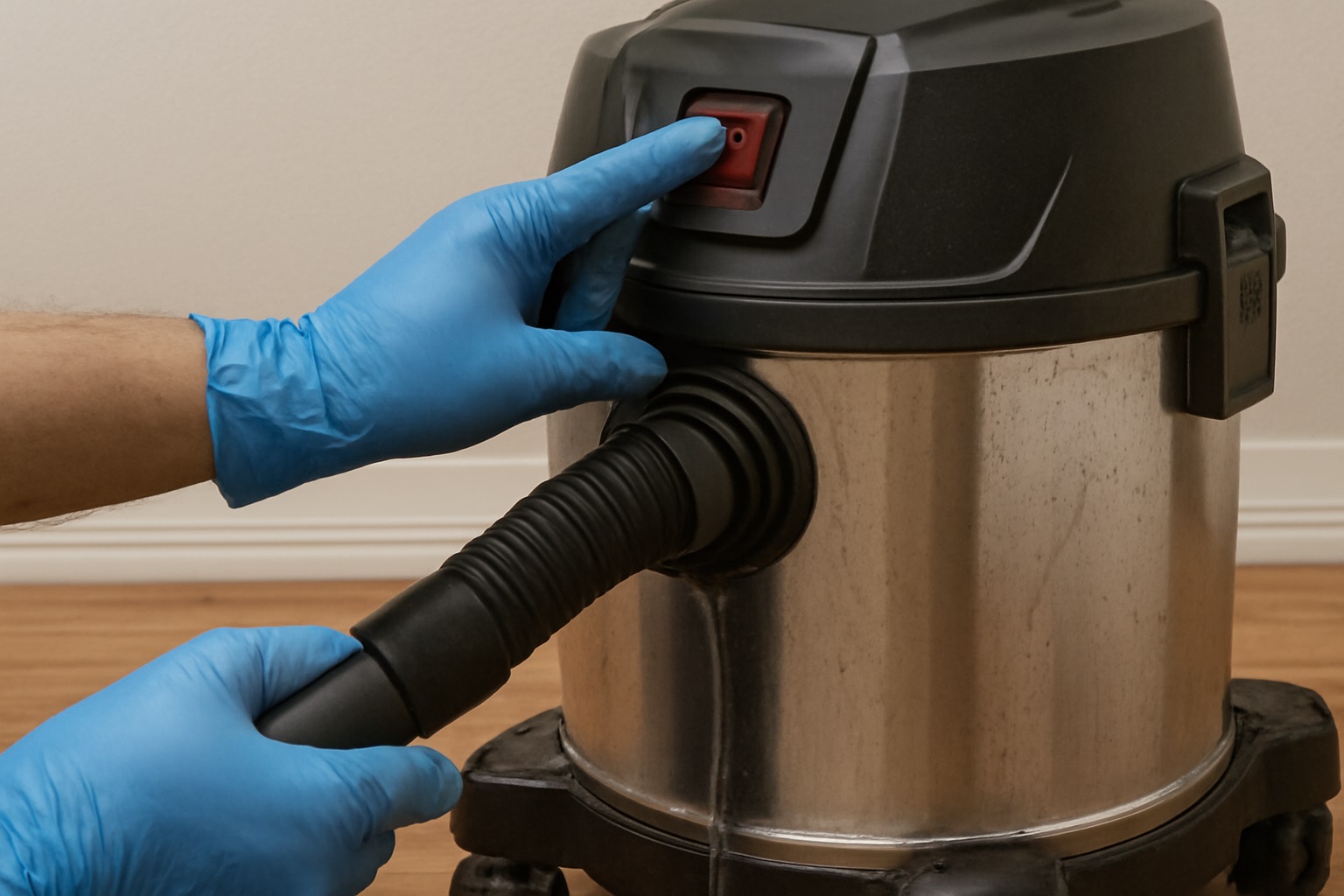
Vacuum cleaners are indispensable tools for keeping homes clean, but like any appliance, they may experience occasional issues. Whether you're using an upright vacuum cleaner, a household vacuum cleaner, or a high suction vacuum cleaner, understanding common faults and knowing how to troubleshoot them can help you maintain the efficiency and longevity of your vacuum.
This article provides a guide to troubleshooting common vacuum cleaner issues such as suction loss, overheating, blockages, and water tank leaks. We’ll also discuss specific solutions for various models, including vacuum cleaners for hardwood floors and vacuum cleaners for allergies.
🌀 Suction Loss: Causes and Solutions
Suction loss is one of the most common problems faced by vacuum cleaners. Reduced suction power can make it difficult to clean effectively and may signal an underlying issue that needs attention.
Common Causes of Suction Loss:
Clogged Filters: Dirty or clogged filters can restrict airflow, leading to a loss of suction.
Full Dustbin or Bag: If the dustbin or dust bag is full, the vacuum will struggle to maintain suction.
Blocked Hoses or Nozzles: Dirt, hair, or debris can accumulate in the hose or nozzle, causing a blockage that disrupts airflow.
Damaged Brushes: Worn-out or damaged brush rolls can reduce the vacuum’s ability to pick up dirt effectively.
Troubleshooting Steps:
Clean or Replace the Filters: For high suction vacuum cleaners or vacuum cleaner for hardwood floors, clean the filters regularly, and replace them if they are damaged. For models with HEPA filters, replace them according to the manufacturer’s instructions, typically every 6-12 months.
Empty the Dustbin or Replace the Bag: Always empty the dustbin after use or replace the dust bag when it’s about 75% full to avoid suction issues.
Check for Blockages: Inspect the hose, nozzle, and other attachments for any blockages. Use a long stick or brush to clear out any debris stuck in the hose or nozzle.
Inspect the Brush Roll: If the brush roll is clogged with hair or debris, clean it thoroughly. If the bristles are worn out, replace the brush roll to ensure optimal suction.
🔥 Overheating: Causes and Solutions
Overheating can occur when a vacuum runs for extended periods or if internal components are clogged. Overheated vacuums can lose suction or shut off entirely to prevent further damage.
Common Causes of Overheating:
Clogged Filters or Hoses: Blockages restrict airflow, causing the motor to overheat.
Long Continuous Use: Running the vacuum for extended periods without breaks can cause the motor to overheat.
Full Dustbin or Bag: A full dustbin or dust bag can force the motor to work harder than normal, leading to overheating.
Troubleshooting Steps:
Take Breaks During Use: Avoid using your portable self-cleaning vacuum cleaner or household vacuum cleaner for extended periods. Turn the vacuum off every 15-20 minutes to allow it to cool down.
Clear Blockages: Ensure there are no blockages in the hose, nozzle, or filters. Regularly clean or replace filters, and clear any debris from the hose.
Empty the Dustbin or Replace the Dust Bag: Prevent the vacuum from overheating by regularly emptying the dustbin or replacing the dust bag.
Let the Vacuum Cool: If your vacuum overheats, allow it to cool down for at least 30 minutes before using it again.
🚫 Blockages: Causes and Solutions
Blockages are a common issue that can occur in any vacuum cleaner. Whether caused by dirt, debris, or hair, blockages can reduce suction and cause overheating if not addressed quickly.
Common Causes of Blockages:
Hair and Debris: Long hair and small debris often get stuck in the vacuum hose, brush roll, or nozzle.
Large Objects: Small toys, coins, or other large objects can get lodged in the hose or nozzle, causing a blockage.
Troubleshooting Steps:
Inspect the Hose and Nozzle: Detach the hose and nozzle, and use a broomstick or brush to push out any debris stuck inside. Ensure that the hose is free of obstructions before reattaching it.
Check the Brush Roll: Hair can wrap around the brush roll, reducing its effectiveness. Clean the brush roll regularly to ensure it spins freely.
Examine the Filter: A clogged filter can also contribute to suction loss. Clean or replace filters regularly to prevent blockages.
💧 Water Tank Leaks (For Wet-Dry Vacuum Models): Causes and Solutions
For wet dry vacuum cleaners, water tank leaks can be a frustrating issue. Leaks may lead to water damage or mold growth if not addressed promptly.
Common Causes of Water Tank Leaks:
Cracked or Broken Tank: The water tank may crack due to rough handling or accidents.
Loose or Worn-Out Seals: The seals around the tank may wear out or become loose, leading to leaks.
Overfilling: Filling the tank beyond its capacity can cause water to spill out.
Troubleshooting Steps:
Inspect the Water Tank for Cracks: Check for any visible cracks in the tank. If you find one, replace the tank as it can’t be repaired.
Check the Seals: Inspect the rubber seals around the water tank for wear or damage. If they are damaged, replace them to prevent leaks.
Don’t Overfill the Tank: Ensure you don’t overfill the water tank. Always follow the manufacturer’s guidelines on capacity to avoid leaks and spills.
💡 Preventive Maintenance Tips for Vacuum Cleaners
Regularly Clean Filters: Keeping filters clean will help maintain suction power and prevent overheating. For vacuum cleaners for allergies, filters should be cleaned or replaced more frequently.
Empty the Dustbin After Every Use: A full dustbin or dust bag can cause suction loss and strain the motor, leading to overheating.
Use the Right Attachments for the Job: Ensure you're using the appropriate attachment for each surface to avoid clogs and blockages. For vacuum cleaners for hardwood floors, use soft-bristle attachments to avoid scratching the surface.
Check the Hose Regularly: Look for any blockages in the hose, and clear them as soon as possible to prevent reduced suction and potential damage.
💡 Conclusion: Troubleshooting and Preventing Common Vacuum Cleaner Issues
Whether you’re using an upright vacuum cleaner, a high suction vacuum cleaner, or a portable self-cleaning vacuum cleaner, understanding the common issues that affect performance and knowing how to troubleshoot them can help maintain the vacuum’s efficiency. Regular maintenance, such as cleaning filters, checking for blockages, and inspecting the water tank (for wet-dry models), will prevent many issues from arising.
By following these troubleshooting methods and preventive maintenance tips, you can ensure your vacuum stays in top working condition and continue to provide effective cleaning results.
Hashtags:
Upright Vacuum Cleaners, Household Vacuum Cleaners, High Suction Vacuum Cleaner, Portable Self-Cleaning Vacuum Cleaner, Vacuum Cleaner for Hardwood Floors, Vacuum Cleaner for Allergies, Vacuum Troubleshooting, Suction Loss Solutions, Vacuum Maintenance, Lanxstar



