Hi, message us with any questions.
We're happy to help!





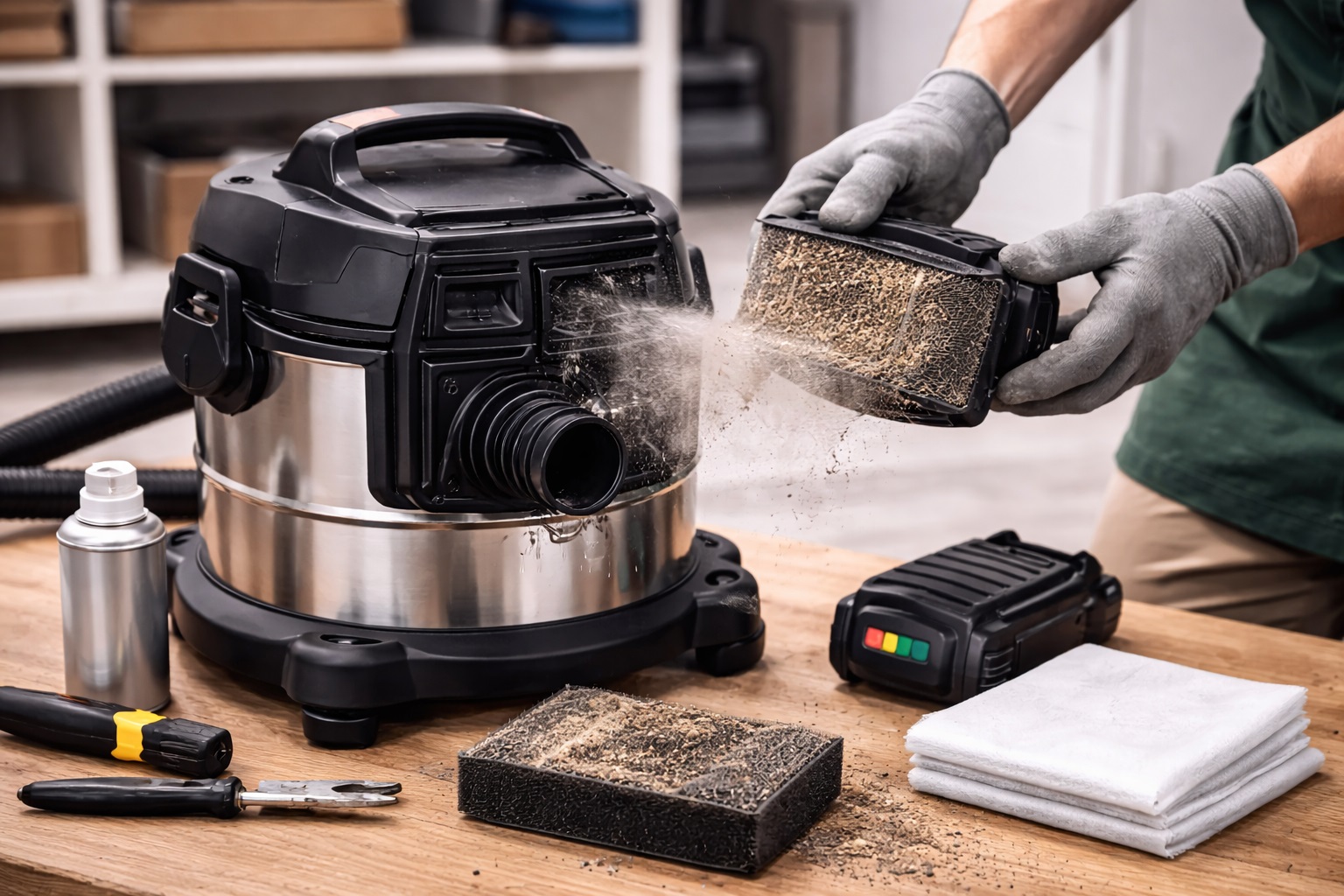
Barrel vacuum cleaners are designed to provide powerful suction and effective cleaning, but like any machine, they can experience issues over time. One of the most overlooked areas of vacuum maintenance is the exhaust system, which plays a crucial role in ensuring that the vacuum functions efficiently. A malfunctioning exhaust system can lead to reduced suction power, unpleasant odors, and even motor damage. In this article, we’ll discuss common exhaust system failures in barrel vacuum cleaners and provide practical solutions to help you troubleshoot and fix them.
1. Reduced Suction Power Due to Clogged Exhaust Filters
One of the most common causes of poor vacuum performance is a clogged exhaust filter. The exhaust filter prevents dirt and particles from being expelled back into the air, but over time, it can become clogged with dust, pet hair, and other debris, causing a reduction in suction power.
Possible Causes:
Dirty Exhaust Filters: Over time, the exhaust filter can become covered with debris, blocking airflow and reducing suction.
Clogged HEPA Filters: In HEPA Filter Vacuum Cleaners, the exhaust filter can become clogged more quickly due to the fine dust and allergens they trap.
Troubleshooting Steps:
Clean or Replace the Exhaust Filter: Regularly clean or replace the exhaust filter based on the manufacturer's recommendations. For Household Vacuum Cleaners or HEPA Filter Vacuum Cleaners, this may need to be done every 3-6 months.
Use a Vacuum Cleaner for Pet Hair with a Clean Filter: If you have a vacuum designed for pet hair, make sure the exhaust filter is cleaned frequently, as pet hair can quickly clog it.
Ensure Proper Fit of the Filter: After cleaning or replacing the exhaust filter, ensure it’s properly fitted to avoid any air leaks.
Example:
A Large-Capacity Wet Dry Vacuum Cleaner user noticed that the suction power was significantly reduced. After inspecting the exhaust filter, they found it was clogged with debris. Cleaning the filter restored suction, demonstrating how essential it is to maintain clean exhaust filters for optimal vacuum performance.
2. Excessive Noise from the Exhaust Vent
If your barrel vacuum cleaner starts making unusual noise from the exhaust vent, it could be an indication that something is obstructing the airflow or that the exhaust system is malfunctioning.
Possible Causes:
Clogged Air Vents: If the exhaust vents are clogged, the air cannot escape efficiently, causing increased noise and reduced suction.
Loose or Damaged Exhaust Components: If any part of the exhaust system, such as the vent or motor housing, is loose or damaged, it can create a rattling or whistling sound.
Obstructed Hose: Sometimes, the exhaust hose or duct can become blocked, causing the vacuum to work harder and making it noisier.
Troubleshooting Steps:
Inspect the Exhaust Vents: Regularly check the exhaust vents and ensure that they are clear of dust, dirt, or other obstructions. If they are blocked, remove the debris to allow air to flow freely.
Check the Hose and Ducts: Ensure that the exhaust hose is not clogged or twisted. Straighten the hose and clear any blockages that may be causing restricted airflow.
Secure Loose Components: If you notice any rattling or whistling sounds, inspect the motor housing and exhaust components to ensure they are securely attached. Tighten any loose parts.
Case Study:
A user of a Wet and Dry Vacuum Cleaner noticed a loud whistling noise coming from the exhaust vent. After inspecting the exhaust hose, they found that it was partially blocked by debris. Cleaning the hose reduced the noise significantly and restored the vacuum’s performance.
3. Foul Odors from the Exhaust System
If your vacuum begins to emit foul odors from the exhaust vent, it could be a sign that the exhaust system is either clogged or the vacuum has been used improperly, such as vacuuming up wet debris without proper cleaning afterward.
Possible Causes:
Bacterial Growth in Wet Filters or Hoses: If you use the vacuum for wet debris (such as water or spills), the moisture can cause mold or bacteria to grow in the filter, exhaust vents, or hoses, leading to unpleasant smells.
Clogged Exhaust Filters: A clogged exhaust filter can also trap moisture, food particles, or pet hair, leading to a musty odor.
Dirty or Damaged HEPA Filters: For HEPA Filter Vacuum Cleaners, a dirty or damaged filter can lead to the release of dust and bacteria into the air, which can cause unpleasant odors.
Troubleshooting Steps:
Clean the Filters Regularly: Regularly clean or replace the exhaust and HEPA filters to remove accumulated dirt, moisture, and odors.
Dry the Vacuum After Using Wet Debris: If you’ve used your vacuum to clean up wet debris, make sure to thoroughly dry the vacuum, including the hose, filters, and exhaust vents, to prevent mold or bacteria growth.
Use Baking Soda or Deodorizer: To eliminate odors, you can place a small amount of baking soda or a vacuum-safe deodorizer in the dustbin or vacuum bag to absorb odors while cleaning.
Example:
A Vacuum Cleaner for Pet Hair user noticed a musty odor coming from the exhaust system after using the vacuum to clean up pet hair and wet debris. After thoroughly cleaning and drying the vacuum, the odor disappeared, highlighting the importance of proper drying and maintenance after wet cleaning tasks.
4. Reduced Airflow from the Exhaust System
Reduced airflow from the exhaust system can indicate that the vacuum cleaner is struggling to expel air, leading to a decrease in suction power. This issue can arise from blockages in the exhaust vents or air ducts, preventing proper air circulation.
Possible Causes:
Clogged Exhaust Vents or Hose: A blockage in the exhaust vents or hose can reduce airflow and cause the vacuum to lose suction.
Damaged or Worn-out Exhaust Components: Over time, the exhaust system components, such as the motor housing or vent cover, can become worn out or damaged, affecting airflow.
Troubleshooting Steps:
Inspect for Blockages: Regularly check the exhaust vents, hose, and air ducts for blockages. Use a flexible brush or broomstick to remove any debris obstructing airflow.
Replace Worn-out Components: If the exhaust components are damaged or worn out, replace them with the appropriate parts from the manufacturer.
Clear Obstructions in the Hose: Make sure the vacuum hose is clear of debris and properly connected to the vacuum cleaner to allow for efficient air expulsion.
Case Study:
A Household Vacuum Cleaner owner noticed a significant loss of suction, followed by weak airflow from the exhaust system. After checking the exhaust vents and cleaning out accumulated dust, airflow was restored, proving that routine checks for blockages can prevent performance issues.
5. Preventive Measures for Exhaust System Maintenance
To avoid exhaust system failures, regular maintenance is key. Here are some tips for ensuring the longevity and efficiency of your barrel vacuum cleaner’s exhaust system:
Regularly Clean the Filters and Exhaust Vents: Clean the exhaust filters and vents regularly to prevent dirt and dust buildup.
Check for Leaks: Ensure that all seals around the motor and exhaust system are intact. Any leaks can reduce suction and cause air or dust to escape.
Store the Vacuum Properly: Store your vacuum in a cool, dry place to prevent moisture from affecting the exhaust system and other components.
Use the Vacuum Correctly: Always avoid vacuuming large debris, wet materials, or food particles that can clog the exhaust system or damage the motor.
Conclusion
A well-maintained exhaust system is critical for ensuring that your barrel vacuum cleaner operates at peak efficiency. By regularly inspecting and cleaning the exhaust filters, hoses, and vents, you can prevent common issues such as reduced suction, unusual noises, foul odors, and poor airflow. Whether you're using a Wet and Dry Vacuum Cleaner, HEPA Filter Vacuum Cleaner, or Vacuum Cleaner for Pet Hair, following these maintenance tips will help extend the lifespan of your vacuum and maintain optimal performance.
Hashtags:
UprightVacuumCleaners, HouseholdVacuumCleaners, MultiFunctionalDurableVacuumCleaner, WetDryVacuumCleaners, PortableSelfCleaningVacuumCleaner, CordlessVacuumCleaner, ExhaustSystemMaintenance, VacuumCleanerCare, SuctionPower, VacuumCleaningTips,Lanxstar