Hi, message us with any questions.
We're happy to help!





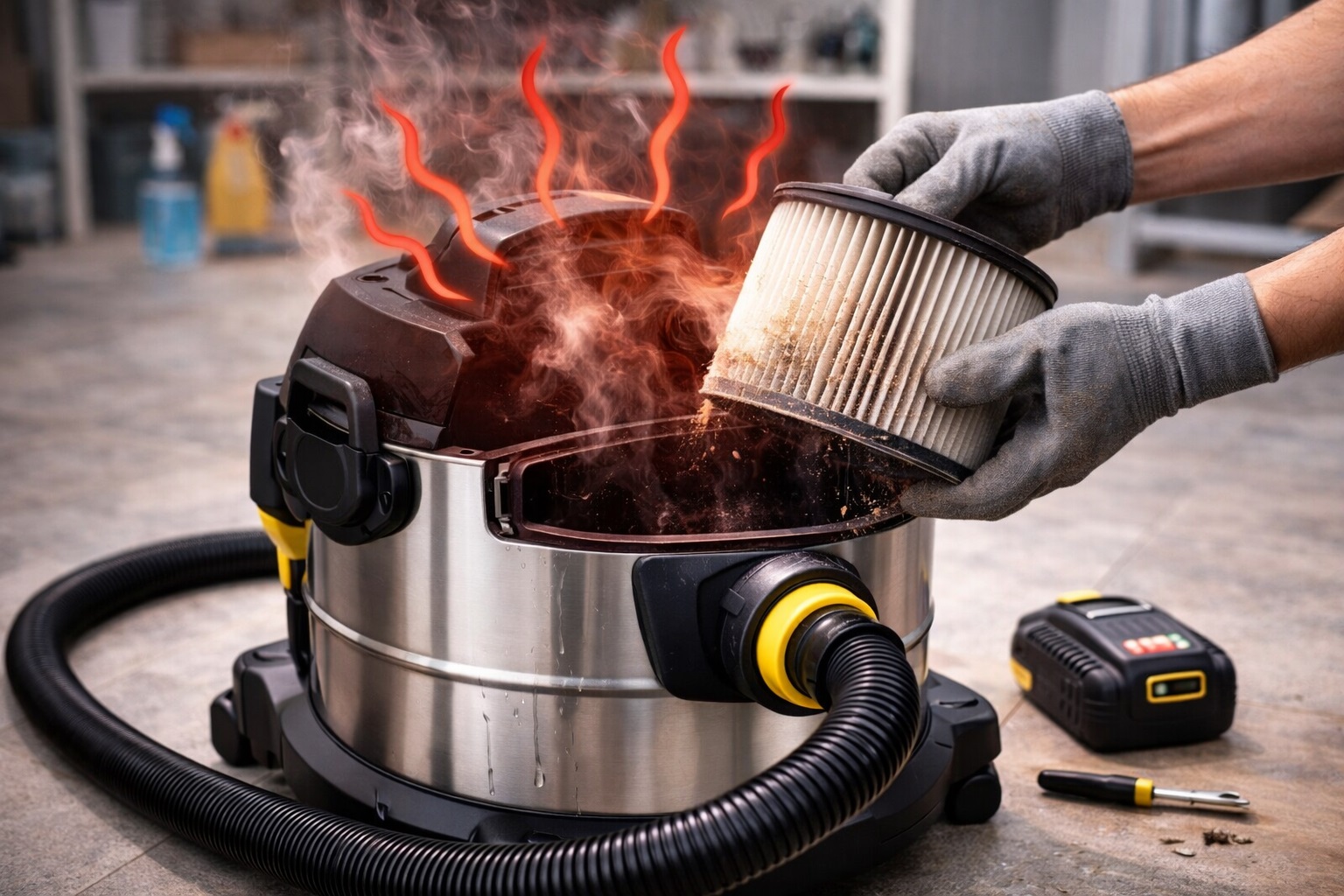
Overheating is a common issue in barrel vacuum cleaners, especially those like High Suction Vacuum Cleaners and Energy-Saving Efficient Powerful Vacuum Cleaners that are designed to handle tough cleaning tasks. Overheating can cause the motor to burn out and lead to a significant loss in suction power. Therefore, understanding how to prevent overheating is key to extending the lifespan of your vacuum. In this article, we’ll explore the common causes of overheating and provide practical solutions that can help keep your barrel vacuum cleaner running smoothly.
1. Ensure Proper Airflow by Cleaning Filters Regularly
Clogged filters are one of the primary causes of overheating in barrel vacuum cleaners. A dirty filter restricts airflow, forcing the motor to work harder, which leads to overheating. This issue is especially common in HEPA Filter Vacuum Cleaners, where fine dust and allergens can quickly clog the filters.
Why It's Important:
Clogged Filters Block Airflow: A filter that is full of debris reduces airflow, making the vacuum work harder and raising the risk of overheating.
Motor Strain: If the motor is constantly working harder due to restricted airflow, it can overheat and break down prematurely.
How to Maintain Filters:
Clean or Replace Filters Regularly: Clean the filters every 1-2 months, or more frequently if you notice decreased suction power. High Suction Vacuum Cleaners with HEPA filters should be cleaned according to the manufacturer’s instructions.
Check the Filter for Blockages: Ensure the filters are free from debris and dust. If cleaning doesn’t restore airflow, consider replacing the filter.
Use the Right Filter: For Household Vacuum Cleaners or Vacuum Cleaner for Pet Hair, make sure you're using high-quality filters that trap the most dirt without compromising airflow.
Example:
A user of a Cordless Vacuum Cleaner noticed that their vacuum was overheating and losing suction. After cleaning the HEPA filter and ensuring it was properly seated, the vacuum's performance returned to normal, demonstrating the importance of regular filter maintenance.
2. Allow the Vacuum to Cool Down During Use
Vacuuming for extended periods without breaks can cause the motor to overheat. Wet and Dry Vacuum Cleaners or Energy-Saving Efficient Powerful Vacuum Cleaners often require more cooling time due to their high power output.
Why It's Important:
Continuous Operation Strains the Motor: If the motor works non-stop for too long, it can overheat, resulting in a temporary shutdown or permanent damage.
Rest for the Motor: Giving the vacuum time to cool down between cleaning sessions ensures that the motor doesn’t overheat and fail prematurely.
How to Prevent Overheating:
Take Regular Breaks: After 20-30 minutes of continuous use, turn off the vacuum for 5-10 minutes to allow the motor to cool down.
Break Long Cleaning Sessions into Smaller Tasks: For longer cleaning jobs, divide the area into smaller sections and give the vacuum time to rest between sessions.
Use Efficient Attachments: Make sure you are using the right attachments for the job to reduce strain on the motor and minimize the risk of overheating.
Case Study:
A Household Vacuum Cleaner user complained about overheating after long sessions of vacuuming. After implementing regular breaks, the issue stopped, proving that giving the vacuum time to rest is crucial to prevent overheating.
3. Check for Blockages in the Hose and Nozzle
Clogs in the hose or nozzle restrict airflow, forcing the vacuum to work harder and leading to overheating. Blockages are a common cause of overheating in Large-Capacity Wet Dry Vacuum Cleaners, especially when they are used for heavy-duty cleaning tasks.
Why It's Important:
Blocked Airflow Causes Overheating: A clogged hose or nozzle makes it difficult for air to pass through, which causes the motor to overwork, resulting in heat buildup.
Loss of Suction Power: A blockage can also reduce suction power, making the vacuum less effective.
How to Prevent Blockages:
Inspect the Hose and Nozzle for Clogs: Regularly check the hose and nozzle for debris. Use a broomstick or flexible tool to clear any obstructions in the hose.
Clean the Air Vents: Keep the air vents free from dirt to ensure airflow is not obstructed. Use a brush to clean the vents and remove any buildup.
Check for Kinks in the Hose: Ensure the hose is not twisted or kinked, as this can cause air restrictions that lead to overheating.
Example:
A user of a Wet and Dry Vacuum Cleaner reported that the vacuum would overheat quickly. After inspecting the hose, they found a significant clog. Once the hose was cleared, the overheating stopped, proving how vital it is to keep hoses and nozzles clear.
4. Store the Vacuum Properly
How you store your barrel vacuum cleaner can also impact its cooling efficiency. Storing the vacuum in the wrong environment can cause the motor to overheat more easily, especially in hot or humid conditions.
Why It's Important:
Extreme Temperatures Affect Motor Performance: Storing the vacuum in a hot, damp, or poorly ventilated area can affect the motor and cause it to overheat more quickly during use.
Damage to Battery (For Cordless Models): For Cordless Vacuum Cleaners, high temperatures can damage the battery, causing it to lose its ability to hold a charge and overheat.
How to Store Your Vacuum:
Store in a Cool, Dry Place: Always store the vacuum in a cool, dry location, away from direct sunlight or humidity.
Avoid Storing with the Battery Inserted (For Cordless Vacuums): Remove the battery when not in use for long periods to prevent overheating or battery damage.
Ensure Proper Ventilation: Store the vacuum where air can circulate freely to prevent heat buildup around the motor.
Tip:
For Upright Vacuum Cleaners, make sure to store them in a room with good ventilation to avoid exposing the vacuum to extreme temperatures that could cause motor damage.
5. Replace Worn Parts
As your vacuum cleaner ages, certain parts may wear out, causing increased friction and strain on the motor, leading to overheating. Commonly worn parts include motor bearings, belts, and seals.
Why It's Important:
Worn Parts Increase Motor Strain: Parts like bearings and belts that are worn out or damaged can cause friction, forcing the motor to work harder and overheat.
Loss of Efficiency: Damaged parts can affect the vacuum’s efficiency, causing it to perform poorly and overheat.
How to Replace Worn Parts:
Inspect the Motor Bearings: If you notice excessive noise or heat from the motor, check the bearings. If they are worn, replace them to reduce friction and prevent overheating.
Replace Worn Belts: If the vacuum uses a belt, inspect it for wear and tear. Replace it if it’s slipping or damaged.
Check for Damaged Seals: Damaged seals can cause air leaks, making the motor work harder. Replace any damaged seals to prevent overheating.
Example:
A user with a High Suction Vacuum Cleaner found that their vacuum was overheating quickly. After inspecting the motor bearings, they discovered that the bearings were worn. After replacing the bearings, the overheating issue was resolved.
Conclusion
Overheating in barrel vacuum cleaners can reduce suction power, damage the motor, and shorten the vacuum’s lifespan. By regularly maintaining the filters, allowing the vacuum to cool down between uses, checking for blockages, and storing the vacuum properly, you can prevent overheating. Regularly replacing worn parts like bearings, belts, and seals will also help maintain optimal performance. Whether you have a Cordless Vacuum Cleaner, Wet and Dry Vacuum Cleaner, or Energy-Saving Efficient Powerful Vacuum Cleaner, following these simple steps will ensure that your vacuum runs efficiently for years to come.
Hashtags:
UprightVacuumCleaners, HouseholdVacuumCleaners, HighSuctionVacuumCleaner, EnergySavingEfficientPowerfulVacuumCleaner, CordlessVacuumCleaner, WetAndDryVacuumCleaner, VacuumOverheatingPrevention, VacuumMaintenance, SuctionPower, VacuumCare,Lanxstar