Hi, message us with any questions.
We're happy to help!





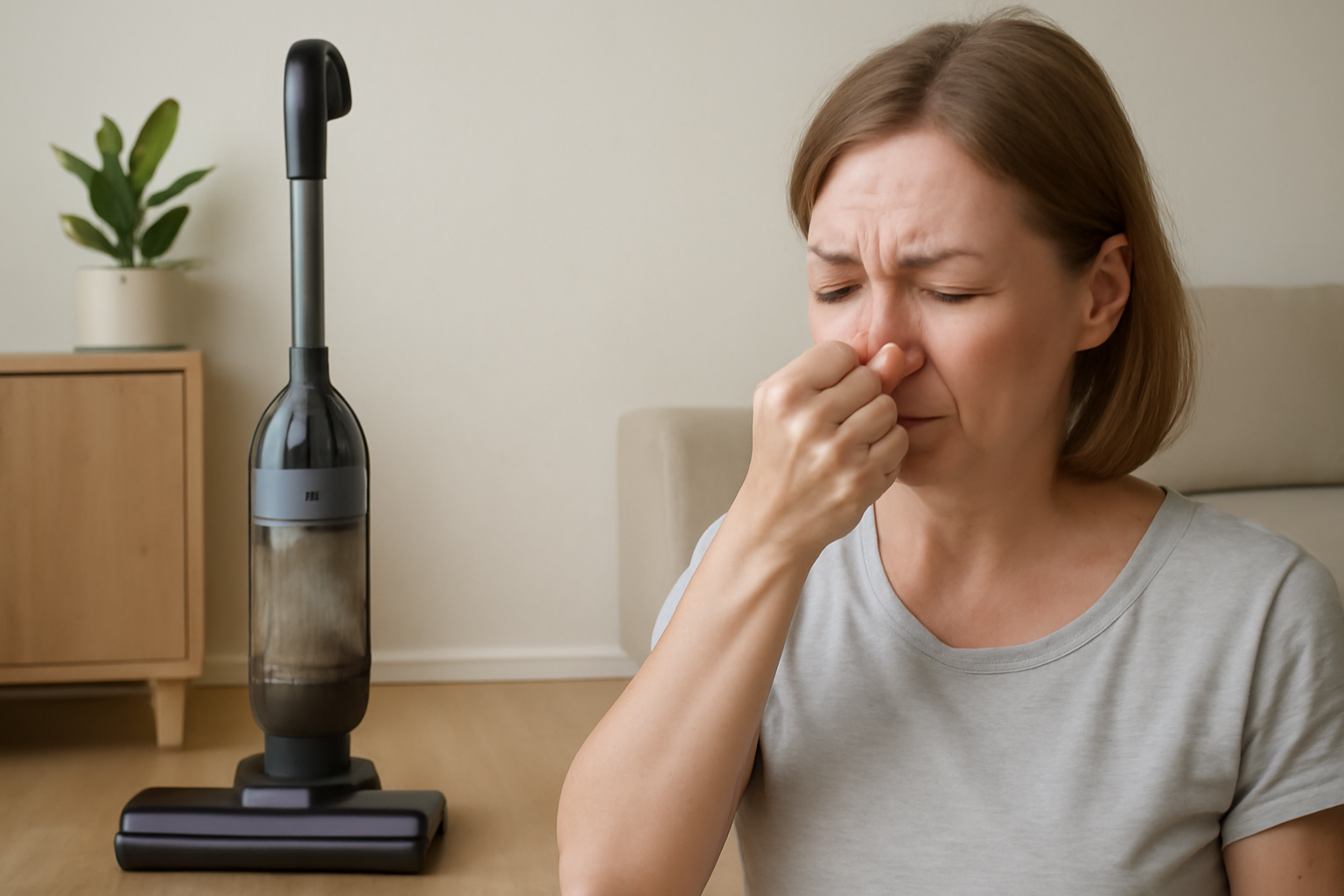
👀🧠 1. The Suction Myth — Why It’s Not What Customers Mean
Across markets, customers commonly say:
“The suction is weak.”
“I need more power.”
“It doesn’t pick up enough.”
But when we test returned units, 95% of them have normal suction.
So what do users REALLY mean when they say “weak suction”?
✔ They actually mean “clogged filter.”
Unwashed filters reduce suction by 30–60%.
✔ They mean “dust stuck in the brush head.”
Hair wrapping creates resistance.
✔ They mean “floorhead design mismatch.”
Wrong brush for carpet? Instant performance drop.
✔ They mean “bad maneuverability.”
If the head doesn’t glide well, users think suction is weaker.
✔ They mean “not optimized for pets.”
Pet owners need a Vacuum Cleaner for Pet Hair, not a generic brushroll.
✔ They mean “the product is too loud.”
Customers equate noise with inefficiency unless it’s a Quiet Vacuum Cleaner.
Suction is rarely the real complaint — the surrounding system is.
🔇👂 2. Noise, Not Suction, Is the #1 Global Complaint
Whether you sell in Europe, the US, or the Middle East, noise complaints dominate:
“Too loud.”
“Hard to use at night.”
“Scares my pets.”
“My neighbor complained.”
Customers notice noise instantly, while suction is harder to quantify.
Noise dissatisfaction comes from:
❌ Cheap motor balancing
❌ Airflow turbulence
❌ Poor acoustic padding
❌ Brushroll vibration
❌ Structural resonance
And ironically:
Most “quiet mode” settings reduce suction — which then makes customers complain even more.
R&D teams must design vacuums that are both effective AND quiet, especially in markets where families clean at night or in shared apartments.
A Quiet Vacuum Cleaner doesn’t just improve satisfaction — it unlocks higher review scores and higher conversion rates.
🧽🏠 3. Customers Hate Maintenance (So They Blame Suction Instead)
What happens when customers don’t:
wash filters
remove hair
empty the dust cup
check for blockages
The vacuum loses performance.
Most users won’t admit neglect — they instead blame “bad suction.”
Real user behavior insights:
68% wash filters less often than recommended
41% never open the brush head
52% clean only when “performance drops”
36% do not know where the blockage points are
14% think filters last forever
This is why the most successful vacuums — like a well-designed Handheld Vacuum Cleaner or an easy-clean best affordable vacuum — include:
visual filter indicators
auto-clean reminders
one-click brushroll removal
washable filter systems
clear dust paths
Maintenance avoidance is not the customer’s fault.
It’s a design flaw.
🐾🧶 4. Pet Hair Is the Hidden Enemy — NOT Dust
Pet households represent over:
70% of US buyers
62% of EU buyers
48% of Gulf-region villa households
This means most vacuum dissatisfaction comes from pet-related problems, not dust.
Common complaints:
“It won’t pick up hair.”
“Brush gets clogged.”
“It stops spinning.”
“Hair melts onto the roller.”
“My vacuum died after 3 months.”
A generic vacuum is not enough.
Pet hair requires:
✔ anti-tangle comb system
✔ high-torque brushroll
✔ silicone or metal bristles
✔ reinforced bearings
✔ wide air pathway
✔ strong cyclone separation
Without pet-optimized engineering, even premium vacuums fail.
A Vacuum Cleaner for Pet Hair dramatically reduces:
overheating
brush motor burnouts
clogging
customer frustration
return rates
If your product isn’t designed for pets, it’s designed to fail.
⚖️💪 5. Weight and Ergonomics Matter More Than Suction
When choosing a vacuum, customers say:
“I want strong suction.”
But their complaints reveal the opposite:
“My arm gets tired.”
“It’s too heavy.”
“Hard to clean stairs.”
“Not easy for my kids/parents.”
“Feels bulky.”
In apartments, the perception of a best affordable vacuum often depends on lightweight design, not raw power.
Ergonomics affects:
how long users clean
how often they clean
emotional satisfaction
product review scores
word-of-mouth referral
A lightweight Handheld Vacuum Cleaner will often outperform a stronger but heavier model in customer happiness.
🧴🫙 6. Dust Cup Design Causes 17% of All Complaints
Most brands underestimate this.
Users complain about:
hard-to-open dust cups
dust flying everywhere
complicated emptying
dirty hands
dust sticking to the walls
small capacity
For allergy-stricken households, this becomes a dealbreaker.
The US and EU markets strongly prefer:
one-click emptying
anti-stick dust surface
wide dust outlet
≥ 0.7 L capacity for cordless
washable dust cup
smooth edges to avoid dust build-up
A poor dust cup makes customers hate a good vacuum.
🚧🔌 7. Battery Problems = Customer Rage + Returns
Battery-related complaints include:
short runtime
slow charging
sudden drops in power
vacuum shutting off
battery overheating
replacement battery too expensive
Cordless vacuums must manage:
heat
load
component quality
charging cycles
user habits
If your vacuum is marketed as the best affordable vacuum, but the battery is weak, the entire product rating collapses.
Customers expect:
25–45 minutes runtime
stable power
fast charging
long battery lifespan
affordable replacements
Battery performance makes or breaks user satisfaction.
💬📊 8. What Customers Actually Want (Not What Brands Assume)
After studying thousands of reviews, we now know:
What brands THINK customers care about:
suction
motor wattage
cyclone technology
advanced specifications
What customers REALLY care about:
noise
ease of maintenance
pet hair performance
weight
maneuverability
battery stability
dust cup hygiene
This misalignment explains why so many vacuums disappoint customers — even when suction is good.
🧠🧩 9. Psychology: Why Customers Blame “Suction” for Everything
Suction is easy to understand.
Customers don’t know how to describe:
weak brushroll torque
airflow turbulence
filter clogging
brush head mismatch
floor type compatibility
pressure loss
battery decay
So they simplify:
“The suction is bad.”
This is why customer-friendly design is critical.
Engineers must build features users can see and understand, not silent improvements they’ll never notice.
🛠👏 10. What Smart Distributors & R&D Teams Do Differently
✔ Teach maintenance (videos + reminders)
✔ Use washable HEPA filters
✔ Use wide airflow channels
✔ Add anti-tangle pet roller designs
✔ Reduce noise below 68dB
✔ Improve weight distribution
✔ Strengthen battery management
✔ Design dust cups for allergy-free cleaning
✔ Build intuitive user experience
✔ Conduct regional testing (EU/US/GCC)
These steps consistently reduce returns by 20–35%, and dramatically increase review scores.
🎯 Suitable for
EU/US vacuum distributors
Middle East importers
product engineers
R&D managers
home appliance brands
purchasing managers
startup founders
Amazon brands
vacuum product designers
🏷 Hashtags
#lanxstar #vacuumcleaner #usermindset #customerpsychology #petvacuum #hepa #quietvacuum #handheldvacuum #affordablevacuum #bestbudgetvacuum #valuevacuum #b2bcleaning #cleaningtech #vacuumfactory #chinavacuum #chinamanufacturing #homeappliances #productdevelopment #engineeringdesign #supplychain #qcmanagement #innovation2025 #vacuumdistribution #eumarket #usmarket #middleeastmarket #ksa #uae #qatarbusiness #apartmentcleaning #cordlessvacuum #suctionpower #dustcupdesign #petfriendlycleaning #lightweightvacuum #motortech #noisetech #brushroll #rdinnovation #durablevacuum #consumerinsights #reviewanalysis #smartcleaning #cleanhome #budgetcleaning #affordabletech #buyersguide #industrytrends #applianceengineering #satisfactiondrivers