Hi, message us with any questions.
We're happy to help!





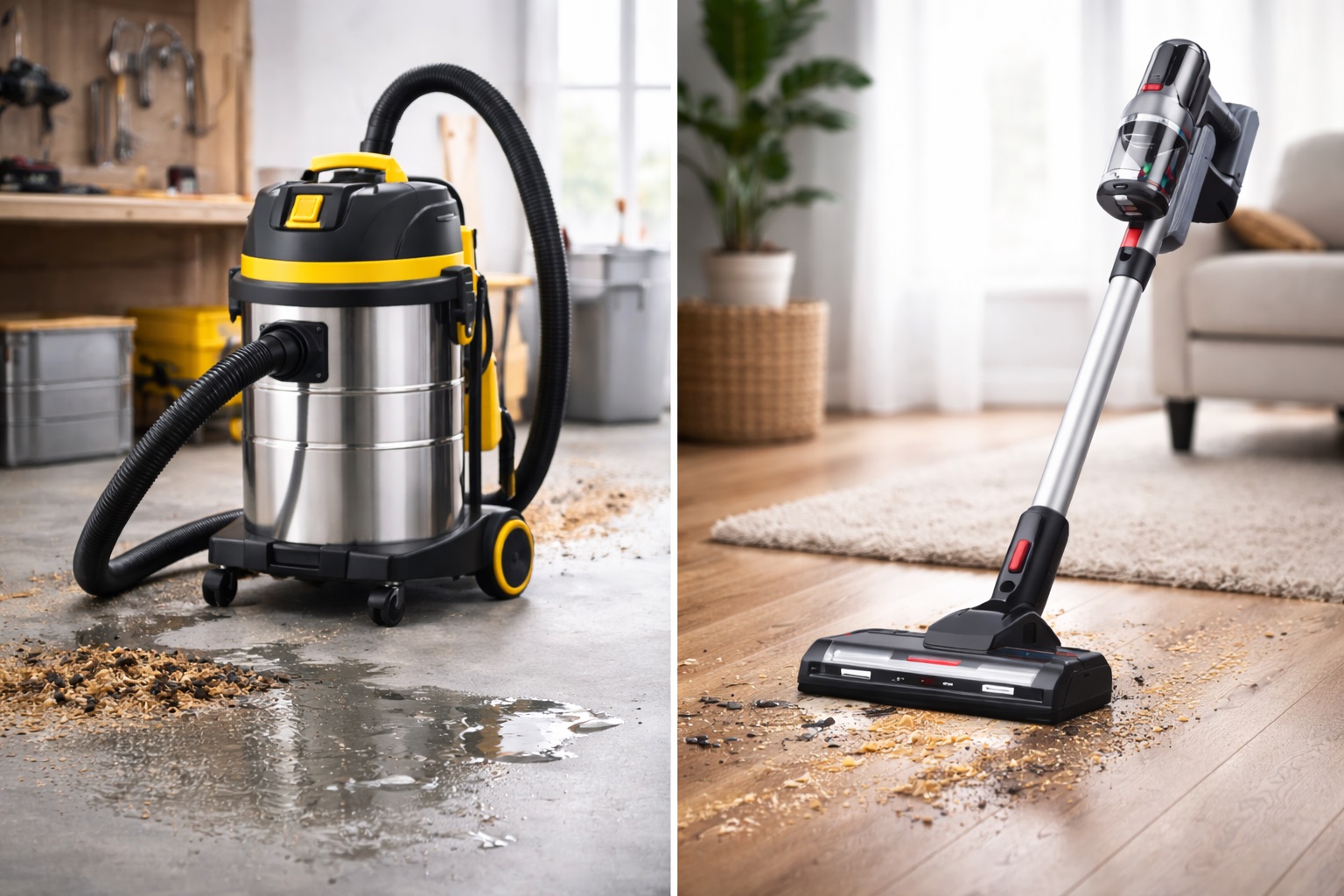
A Complete Comparison and Buyer’s Guide for EU/US Importers, Distributors & OEM Partners
🧠 Introduction – Understanding the Difference in 2026
Choosing the right vacuum solution in 2026 is more important than ever. Whether you're considering a factory cleaning vacuum, launching a private label vacuum cleaner line, or sourcing the best equipment for commercial use, understanding the differences between wet dry vacuums and regular vacuums is crucial.
In this guide, we will explore:
The key differences between wet dry and regular vacuums
When each type is best suited for different environments
How to source from wet dry vacuum manufacturers or OEM wet dry vacuum suppliers
Practical insights into using these vacuums in various industries, from homes to factories
🔎 1. What Is a Regular Vacuum?
A regular vacuum (or dry vacuum) is designed for everyday debris cleaning, such as dust, crumbs, lint, and light debris. These vacuums are commonly used in residential and office settings.
Key Features:
Dry use only — no handling of liquids
Basic filtration — typically cloth or cartridge filters
Lightweight and portable
Lower power motors
Ideal for carpets, hardwood floors, and upholstery
Best Use Cases:
Home cleaning
Small office spaces
Retail storefronts
🛠️ 2. What Is a Wet Dry Vacuum?
A wet dry vacuum is a versatile tool that handles both wet and dry materials, including dust, liquid spills, and debris, making it suitable for tougher, industrial‑grade tasks.
Key Features:
Dual wet/dry functionality — handles liquids and solids
Heavy‑duty construction for industrial use
Advanced filtration (HEPA, cyclonic)
Float shutoff for liquid spills
Often used for factory cleaning or workshop vacuums
Best Use Cases:
Workshop cleaning
Automotive repair shops
Construction sites
Factories and large-scale commercial environments
⚖️ 3. Wet Dry vs Regular Vacuum – Head‑to‑Head Comparison
Here’s a detailed comparison of wet dry vacuums and regular vacuums to help you decide which is the best option for your needs:
| Feature | Regular Vacuum | Wet Dry Vacuum |
|---|---|---|
| Dry Debris Handling | ✔ Good | ✔ Excellent |
| Liquid Handling | ✘ Not supported | ✔ Supported |
| Filtration Quality | Basic | Advanced (HEPA/ULPA options) |
| Motor Protection | Basic overload protection | Float systems + sealed motors |
| Industrial Use-Readiness | ✘ Limited | ✔ Designed for heavy usage |
| Best Environments | Homes, offices, shops | Workshops, factories, industrial sites |
| Maintenance Frequency | Low | Moderate to high (depending on use) |
| Cost | Lower price point | Moderate to high (due to added features) |
🧰 4. Why Choose a Wet Dry Vacuum in Industrial or Commercial Environments?
🔹 1. Versatility & Multi‑Surface Cleaning
Wet dry vacuums excel at handling both dry debris (wood chips, dust) and liquid spills (oil, coolant, water), making them a versatile option for factories and workshops.
🔹 2. Safety & Compliance
In industries like food production or chemical processing, wet dry vacuums ensure compliance with health and safety regulations, especially when cleaning up hazardous spills or fine dust.
🔹 3. Reduced Downtime
Because they can handle both liquid and dry messes, wet dry vacuums minimize the need for switching equipment or waiting for spills to dry, reducing cleanup time and increasing operational efficiency.
🔹 4. Scalability for Heavy Workloads
Wet dry vacuums are built for high-capacity use, making them ideal for industrial environments where large volumes of debris and liquid spills are common.
🏭 5. When a Regular Vacuum Still Makes Sense
Despite the versatility of wet dry vacuums, regular vacuums are still ideal for environments where:
✔ The mess is dry and light
✔ Portability and ease of use are a priority
✔ The cleaning tasks are light, such as dusting and small debris
For home cleaning or office spaces, regular vacuums often provide the best price‑to‑performance ratio.
📈 6. Choosing Between Wet Dry and Regular for Your Business
Here’s a simple framework to help you decide which vacuum type fits your needs:
❓ Ask Yourself:
Will the vacuum handle liquids?
⇒ Yes — choose a wet dry vacuum.Is the environment industrial or high‑usage?
⇒ Yes — choose a wet dry vacuum.Is the mess exclusively dry?
⇒ Yes — regular vacuum works.
For mixed-use environments (garages that need dust and oil spill cleanup), a wet dry vacuum is more efficient and durable than a regular vacuum.
🧩 7. Sourcing Considerations — OEM and Private Label
📦 Working with a Wet Dry Vacuum Manufacturer
Choosing the right wet dry vacuum manufacturer is essential for sourcing a reliable and high-quality product.
What to Look For:
OEM capabilities — Can they customize the product for your brand?
Compliance — Are their products certified for the EU/US markets (CE, UL, RoHS)?
Production flexibility — Do they offer small batch production or scalable mass production?
Supplier Comparison:
| Supplier | Location | MOQ | Certifications | Customization |
|---|---|---|---|---|
| Lanxstar | China | 500 units | CE, UL, RoHS | Full customization |
| Zhejiang Sanli | China | 200 units | CE, RoHS, ISO 9001 | Product & packaging |
| Shenzhen Airrose | China | 300 units | CE, UL, RoHS | Packaging & branding |
🧩 OEM Wet Dry Vacuum Partnerships
By partnering with an OEM wet dry vacuum supplier, you can develop a private label vacuum cleaner product line that aligns with your brand’s specifications. These partnerships offer:
Customization: Tailor the motor power, tank size, filtration, and accessories to suit your target market.
Cost Efficiency: OEM partnerships often offer competitive pricing due to economies of scale.
Faster Time to Market: With pre-existing manufacturing lines, OEMs can help you bring your product to market faster.
🧠 8. Case Study – Wet Dry Vacuum Wins for a Multi‑Facility Cleanup
Client: A large European manufacturing plant
Challenge:
The plant was using regular vacuums for daily cleaning tasks, but encountered several issues:
Frequent breakdowns due to liquid spills on factory floors
Longer cleaning times during maintenance as the vacuum was unable to handle both dry debris and liquid spills
Health and safety concerns from the accumulation of fine dust and potential slip hazards due to wet floors
Solution:
The plant switched to wet dry vacuums equipped with HEPA filtration and float protection systems to handle both liquids and debris. The vacuums were specifically selected to manage the large amount of dust, oils, and coolant spills that are common in industrial settings.
Key Features of the Chosen Wet Dry Vacuums:
Dual wet/dry functionality to manage both liquid spills and dry debris.
HEPA filtration to reduce airborne particulates.
Float shutoff to prevent motor damage during liquid cleaning.
Heavy-duty construction for prolonged industrial use.
Outcome:
40% reduction in cleaning time: The ability to handle both liquids and debris simultaneously decreased the time spent on maintenance.
Zero downtime: Since the vacuums were built for heavy-duty industrial use, there were no failures from liquid exposure.
Improved air quality: The HEPA filtration system reduced dust and airborne contaminants, improving overall air quality in the facility.
Lower maintenance costs: Fewer repairs and replacements as the new vacuums were designed to handle both dry and wet messes without clogging or breaking down.
Key Insight:
By transitioning to wet dry vacuums, the manufacturing plant was able to increase operational efficiency, reduce downtime, and enhance worker safety. This case study highlights the value of choosing the right equipment for specific operational needs, especially in industrial environments where liquid spills and fine dust are common.
🔥 9. Key Trends in Vacuum Technology for 2026
📍 Multi‑Function Filtration
HEPA filters and ULPA options are becoming standard for both residential and industrial vacuums.
📍 Smart Sensors
Maintenance alerts, filter change notifications, and smart clog detection are now common.
📍 Sustainability Focus
Energy‑efficient motors and recyclable components are increasing in demand.
⚠️ 10. Summary – When To Buy Which
| Environment | Recommended Vacuum Type |
|---|---|
| Residential or Office | Regular Vacuum |
| Commercial Facility | Wet Dry Vacuum |
| Automotive or Workshop | Wet Dry Vacuum |
| Industrial Plant/Factory | Wet Dry Vacuum |
| Light Retail Store | Regular Vacuum |
Hashtags
wetdryvacuum, wet dry vacuum supplier, OEM wet dry vacuum, wet dry vacuum manufacturer, wet dry vs regular vacuum, factory cleaning vacuum, private label vacuum cleaner, vacuum cleaner manufacturers China, industrial vacuum OEM, industrial cleaning vacuum, HEPA vacuum systems, commercial vacuum solutions, workshop vacuum systems, multi function vacuum, residential vs industrial vacuum, vacuum sourcing China, vacuum OEM partners, vacuum customization, vacuum performance comparison, energy efficient vacuum, smart vacuum features, modular vacuum accessories, workshop cleaning tools, automotive vacuum systems, plant maintenance vacuum, EU vacuum solutions, US vacuum solutions, vacuum brand strategy, vacuum filter technology, vacuum ROI case study, industrial filtration vacuum, vacuum marketplace trends, high capacity vacuum, dual mode vacuum, professional vacuum solutions, vacuum testing metrics, high performance vacuums, factory floor cleaning, heavy duty vacuum, vacuum sales strategy, vacuum distributor guide, vacuum design innovation.