Hi, message us with any questions.
We're happy to help!





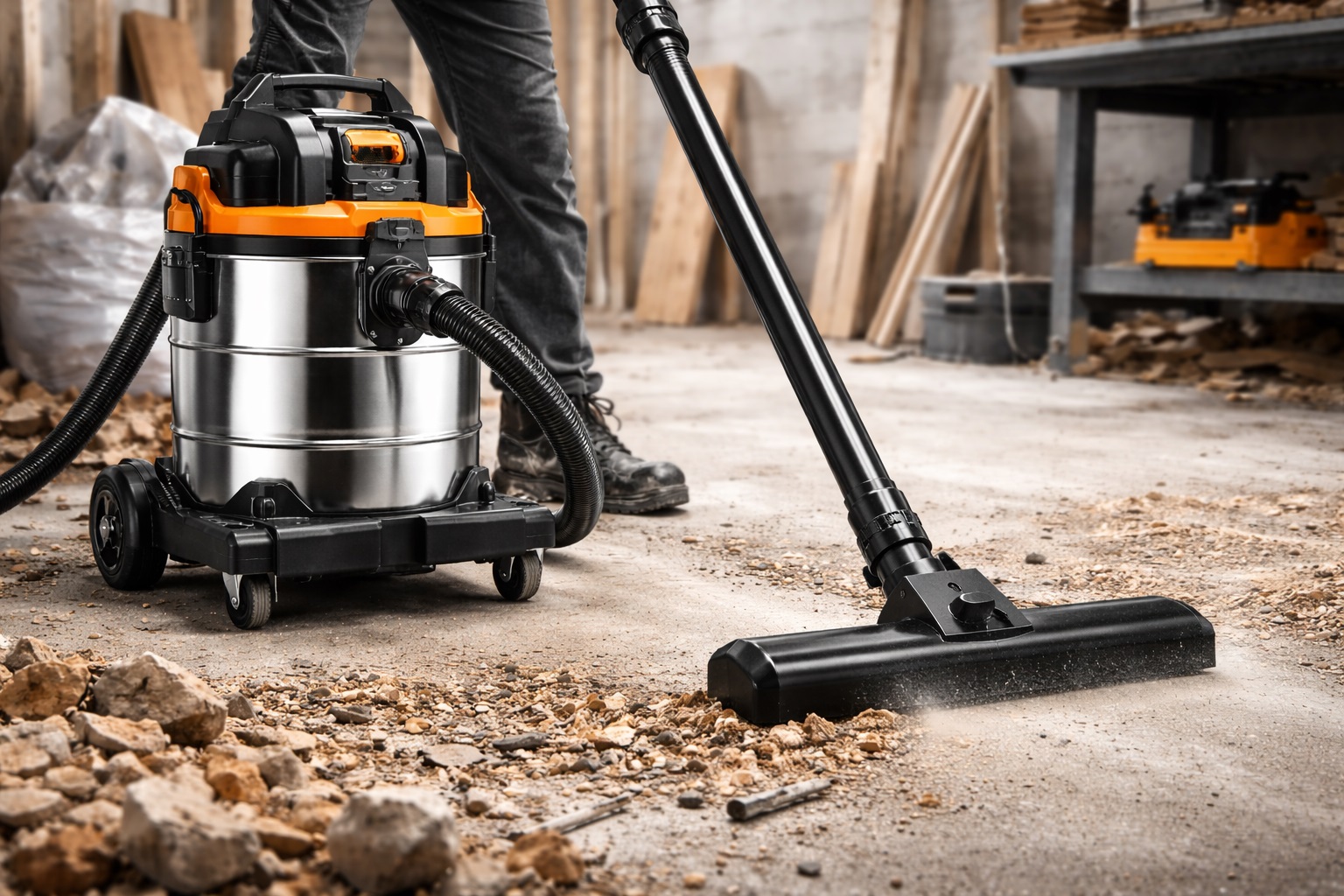
Maximizing Performance in Commercial and Industrial Environments
Heavy-duty cleaning is a demanding task. Whether it’s construction debris, heavy dust accumulation, or wet spills, the right vacuum is essential to keep the workspace safe, clean, and compliant with industry standards. For facility managers, cleaning contractors, and B2B buyers in Europe, the US, and the Middle East, high-suction vacuum cleaners are an indispensable tool for tackling large-scale cleaning challenges.
This article explains how to properly use high-suction vacuums for heavy-duty tasks, covering key features, best practices, and important maintenance tips for getting the most out of your equipment in industrial and commercial environments.
🧠 Why High-Suction Vacuums are Critical for Heavy-Duty Cleaning
In heavy-duty environments, the debris and waste are larger, more diverse, and more stubborn. Regular cleaning equipment won’t cut it. High-suction vacuums are specifically designed to handle the:
Large debris (construction materials, large dirt clumps, nails, wood)
Heavy dust (wood shavings, drywall dust, fine powders)
Liquid spills (water, chemicals, paint)
Sticky or dense materials (cement, grease, oil)
Without sufficient suction power, debris may not be fully picked up, leaving behind a mess that requires additional time and effort to clean.
Key insight:
For heavy-duty cleaning, high suction power ensures thorough removal, reduces downtime, and prevents the need for repetitive cleaning.
🧩 What Makes High-Suction Vacuums Different?
A high-suction vacuum typically features:
Stronger motors capable of producing high airflow and suction power
Larger tanks for handling bigger volumes of debris without frequent emptying
Advanced filtration systems like HEPA filters to trap fine particles
Durable components that can withstand the stress of constant use
A Multi-Functional Durable Vacuum Cleaner that combines these features ensures that your equipment can tackle a variety of messes with minimal maintenance and optimal performance.
When selecting a high-suction vacuum for heavy-duty cleaning, consider the following aspects:
🔋 Key Features to Look for in High-Suction Vacuums
1. Powerful Suction & CFM
Cubic feet per minute (CFM) determines how much air the vacuum can move.
High suction is essential for lifting heavier debris, and a vacuum with strong suction capacity ensures:
Faster debris removal
Higher efficiency, with fewer passes needed
Better dust containment, especially for fine dusts that can escape weaker vacuums
Look for models that provide adjustable suction settings to ensure that suction is balanced according to the cleaning task.
2. Wet & Dry Capability
Construction sites and industrial settings often require wet and dry cleaning. A vacuum capable of handling both types of messes is essential.
A wet and dry vacuum cleaner allows you to clean up:
Wet cement or water spills
Dry debris, such as sawdust, wood shavings, or metal filings
Check that the vacuum has:
Water-resistant components
Easy-to-empty tanks for both wet and dry messes
Multi-stage filtration to prevent moisture from damaging the filters
3. Large Tank Capacity
Heavy-duty cleaning generates large amounts of debris. A large-capacity tank reduces the frequency of needing to stop and empty the vacuum, which improves overall productivity.
Vacuum systems with up to 20-gallon tanks can handle larger jobs without interruption, ensuring you can clean an entire area in one go.
4. Durability
In construction sites or manufacturing plants, your vacuum must be able to withstand frequent impacts, harsh debris, and long hours of continuous use.
Look for vacuums with rugged exteriors, heavy-duty wheels, and durable filters. Multi-functional durable vacuum cleaners often use high-quality materials that resist scratches, dents, and cracks caused by the rough environment.
🧹 Best Practices for Using High-Suction Vacuums
1. Know Your Surface Types
Different surfaces require different cleaning methods. For example:
Carpet: Requires moderate suction and a brush roll to loosen debris
Concrete or tile: Requires maximum suction to lift heavy debris without damaging the surface
Using the appropriate suction level for each surface type will ensure optimal cleaning and avoid damage to delicate floors.
2. Use Proper Attachments
Attachments like crevice tools, dusting brushes, and extension wands help you reach tight corners, ceilings, or under heavy equipment.
Ensure your vacuum system is equipped with the right tools for the job to maximize productivity and prevent the need for multiple passes.
3. Plan for Frequent Filter Maintenance
High-suction vacuums often pick up fine dust, which can clog filters quickly. Regular cleaning and filter replacement are essential for maintaining suction power.
For vacuums with HEPA filters, it’s especially important to clean or replace filters regularly to maintain air quality and suction strength.
🔋 Energy Efficiency for Long-Term Use
For heavy-duty cleaning, long hours of operation can drain energy resources if not managed properly. Look for vacuums that are designed with energy-saving technology to optimize performance without unnecessary power consumption.
An Energy-Saving Efficient Powerful Vacuum Cleaner:
Uses intelligent power control to adjust suction power based on the debris type
Features motor efficiency systems to ensure maximum performance with minimal energy use
These vacuums allow you to complete heavy-duty tasks while keeping operational costs low.
🧰 Maintenance and Longevity: Tips for Keeping High-Suction Vacuums Running
Regular maintenance will extend the lifespan of your vacuum and maintain its suction power.
1. Check the Filters Regularly
Ensure the filters are clean, dry, and free from clogs. HEPA filters need regular cleaning to ensure that the vacuum continues to trap fine dust and allergens without impacting suction.
2. Empty the Tank Frequently
For optimal performance, don’t let the tank overflow or fill completely before emptying it. Large-capacity wet and dry vacuums are designed to handle large quantities of debris but should still be emptied to ensure efficient operation.
3. Inspect Hoses and Attachments
Ensure there are no cracks or clogs in the hoses or attachments. The vacuum’s performance can significantly drop if there is a blockage or if the hose is damaged.
📉 Failure Scenario: When High-Suction Vacuums Underperform
Imagine:
A vacuum with poor suction is used on a construction site
The vacuum struggles to pick up large debris, leaving parts of the area dirty
Frequent breakdowns or clogged filters slow down cleaning tasks, creating inefficiency
Result:
Increased downtime
Lower cleaning quality
Higher operational costs due to maintenance
This scenario underscores the importance of investing in the right vacuum for heavy-duty tasks and ensuring that it’s properly maintained.
🌍 Regional Considerations for High-Suction Vacuums
Europe
Regulations regarding air quality and filtration standards (such as HEPA) are stricter, so high-suction vacuums should meet compliance and sustainability requirements.
Middle East
Dust-heavy environments require vacuums with high filtration capacity and robust suction to handle both dry and wet messes in hot climates.
United States
Construction sites, automotive garages, and industrial plants need vacuums that can handle a variety of debris while offering energy-efficient solutions for long operational hours.
📊 ROI and Productivity Gains with High-Suction Vacuums
Investing in a high-suction vacuum often results in higher ROI by:
Reducing rework due to missed debris
Decreasing downtime due to faster cleanup
Increasing worker productivity with better-performing equipment
High-suction vacuums are designed to save time, improve quality, and reduce long-term operational costs—making them a smart investment for any business involved in heavy-duty cleaning.
🧭 A Practical High-Suction Vacuum Selection Framework
| Cleaning Challenge | High-Suction Vacuum Feature That Solves It |
|---|---|
| Large debris | Powerful suction with large-capacity tank |
| Wet and dry messes | Wet-dry capabilities with separated airflow |
| Dust control | HEPA filtration to capture fine dust |
| Heavy-duty cleaning | Durable, high-performance motor |
| Energy efficiency | Optimized power management system |
🧠 Final Insight for Facility and Operations Managers
When choosing a high-suction vacuum for heavy-duty cleaning, focus on performance and efficiency rather than just power. The right vacuum cleaner for your needs should adapt to various surfaces, handle large volumes of debris, and be easy to maintain.
With the right high-suction vacuum, you’ll not only improve cleaning efficiency but also optimize ROI over the long term.
👥 Suitable Readers
Facility & operations managers
Construction site managers
Industrial cleaning contractors
B2B equipment buyers
Maintenance and procurement teams
🔖 Hashtags
wet and dry vacuum cleaner, Multi-Functional Durable Vacuum Cleaner, 4 in 1 Cordless Smart Wet & Dry Vacuum Cleaner, Car Vacuum Cleaner, Wet and Dry Vacuum Cleaner, HEPA Filter Vacuum Cleaner, high suction vacuum cleaner, heavy-duty cleaning equipment, industrial vacuum systems, construction site vacuum, commercial vacuum cleaner, durable vacuum systems, professional cleaning tools, wet dry vacuum systems, high-power vacuum, commercial cleaning equipment, vacuum for construction debris, industrial cleaning solutions, multi-surface vacuum systems, high-performance motor, vacuum for heavy-duty jobs, commercial cleaning productivity, cleaning efficiency tools, powerful suction for industrial cleaning, high suction performance, energy-efficient vacuum, heavy-duty industrial vacuums, construction site cleaning tools, vacuum with HEPA filters, rugged industrial vacuum cleaner, cleaning solutions for large debris, sustainable cleaning technology, facility maintenance tools, cleaning efficiency for large spaces, vacuum for industrial environments, construction debris vacuum, vacuum technology for heavy-duty work, operational efficiency vacuum, cleaning tools for heavy-duty work, professional janitorial tools, Lanxstar



