Hi, message us with any questions.
We're happy to help!





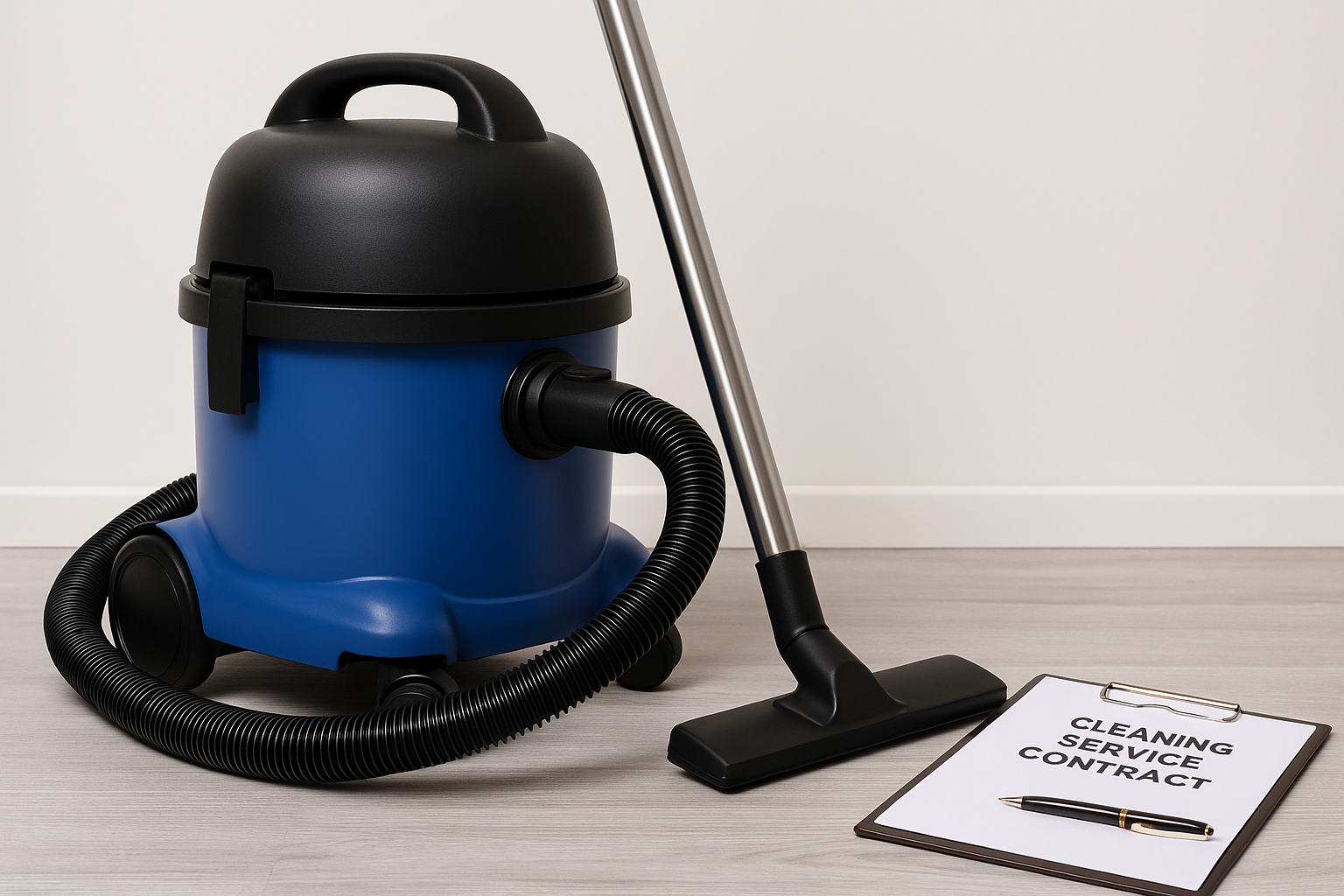
The global vacuum cleaner industry is entering a new phase of transformation. No longer is success defined solely by the number of machines sold; instead, manufacturers and distributors are exploring “servitization”—the shift from selling hardware to offering cleaning service contracts. For B2B buyers in Europe and the Middle East, this evolution represents both opportunities and disruptions. This article examines why servitization is reshaping the vacuum sector and what it means for procurement managers.
🔄 What Is Servitization?
Servitization refers to the business model shift where manufacturers and distributors focus on providing services alongside or instead of physical products. In the vacuum sector, this means offering cleaning as a service, bundled maintenance, or long-term contracts where clients pay for results rather than machines.
For instance, instead of buying a High Suction Vacuum Cleaner, a facility might subscribe to a cleaning contract that guarantees spotless floors, regular machine upgrades, and proactive servicing.
🚨 Why Servitization Is Disruptive
Shift in Revenue Models – Recurring contracts replace one-time sales, offering predictable revenue streams.
Customer Expectations – Buyers no longer want just a machine; they expect uptime, reliability, and performance guarantees.
Value Proposition Expansion – A Quiet Vacuum Cleaner is no longer just a product; it becomes part of a noise-free, guaranteed cleaning solution.
Market Competition – New entrants can disrupt established brands by offering flexible contracts rather than upfront sales.
🤝 Servitization and B2B Buyers
For procurement managers, servitization fundamentally changes the decision-making process. Instead of comparing machine prices, buyers must evaluate:
Contract length and terms
Service level agreements (SLAs)
Availability of spare parts and trained technicians
Flexibility of upgrades, such as shifting to a Portable Self-Cleaning Vacuum Cleaner when technology advances
This creates long-term partnerships rather than transactional relationships.
🛠️ Integration With After-Sales Ecosystems
Servitization requires robust after-sales networks. Buyers must ensure suppliers can provide:
Proactive maintenance with predictive analytics
Guaranteed uptime backed by local service teams
Spare parts logistics for models like the Multi-Functional Durable Vacuum Cleaner
Without a reliable ecosystem, contracts risk failure and buyer dissatisfaction.
⚡ Innovation in Product Design
Servitization also changes how machines are designed. Products must support easy upgrades, modular repairs, and remote diagnostics. A Fast Lightweight Vacuum Cleaner is more appealing in a contract model if it can be serviced quickly with minimal downtime.
Similarly, an Energy-Saving Efficient Powerful Vacuum Cleaner offers buyers long-term savings on electricity bills, making service contracts more attractive by aligning with corporate sustainability goals.
💧 Wet & Dry Contracts
For industrial sectors, Large-Capacity Wet Dry Vacuum Cleaner contracts are becoming popular. Instead of purchasing multiple machines, companies pay for guaranteed cleaning outcomes that cover both dry dust and liquid spills. This aligns with sectors such as construction, automotive, and logistics.
Likewise, hybrid solutions like Wet Dry Vacuum Cleaners and the 4 in 1 Cordless Smart Wet & Dry Vacuum Cleaner fit perfectly into servitization models, as they reduce the need for multiple machines while increasing contract value.
🔋 The Role of Cordless and Portable Solutions
Cordless innovations are enabling servitization by improving mobility and reducing downtime. A Cordless Handheld Vacuum Cleaner or a Cordless Vacuum Cleaner offers service providers flexibility to address spot-cleaning requirements efficiently.
For B2B buyers, contracts that include cordless models enhance the quality of service and reduce operational disruptions.
🚗 Specialized Segments
Servitization is not limited to offices and industrial sites. Fleet managers and car rental companies are exploring service contracts around the Car Vacuum Cleaner. Instead of maintaining their own cleaning staff, they outsource cleaning as a service, ensuring consistent hygiene standards across their vehicles.
📊 Strategic Implications
For B2B buyers in Europe and the Middle East, servitization brings several strategic implications:
Shift in Procurement Metrics – Moving from capital expenditure (CAPEX) to operational expenditure (OPEX).
Focus on Outcomes – Contracts emphasize cleanliness levels, uptime, and customer satisfaction.
Supplier Selection – Buyers must evaluate the service capabilities of suppliers, not just their products.
Risk Sharing – Suppliers now share operational risks by guaranteeing results.
🏁 Conclusion
Servitization is disrupting the vacuum cleaner sector by transforming the way value is delivered. Instead of selling only machines, suppliers are providing outcomes, maintenance, and long-term guarantees. For buyers, this means more predictable costs, stronger partnerships, and access to the latest technologies—from a High Suction Vacuum Cleaner to a Car Vacuum Cleaner. For the industry, it means a fundamental redefinition of competition, profitability, and customer loyalty.
📌 Suitable Audience
Vacuum cleaner procurement managers in Europe & the Middle East
B2B buyers seeking service-based models
Distributors exploring recurring revenue opportunities
Facility management companies
#Hashtags
#HighSuctionVacuumCleanerDistributors, #QuietVacuumCleanerSuppliers, #PortableSelfCleaningVacuumCleanerResellers, #MultiFunctionalDurableVacuumCleanerWholesalers, #FastLightweightVacuumCleanerImporters, #EnergySavingEfficientPowerfulVacuumCleanerProcurement, #LargeCapacityWetDryVacuumCleanerBuyers, #CordlessHandheldVacuumCleanerExporters, #WetDryVacuumCleanersDealers, #4in1CordlessSmartWetDryVacuumCleanerMarket, #CordlessVacuumCleanerBrands, #CarVacuumCleanerSuppliers, #VacuumCleanerSparePartsDistributors, #ApplianceRepairShopPartners, #VacuumCleanerAfterSalesServiceProviders, #OEMVacuumCleanerServiceSolutions, #VocationalTrainingForVacuumRepair, #TechnicalInstitutesForApplianceRepair, #RegionalSparePartsHubs, #VacuumCleanerLogisticsPartners, #VendorManagedInventoryVacuumParts, #DigitalVacuumRepairPlatforms, #RemoteDiagnosticSupport, #ELearningForVacuumRepair, #VacuumRepairCertificationPrograms, #PerformanceBasedIncentivesForPartners, #ExtendedWarrantyServiceModels, #RevenueSharingRepairSolutions, #ModularDesignVacuumCleaners, #DurableVacuumCleanerComponents, #UniversalSparePartsForVacuums, #VacuumCleanerKPIsAndMonitoring, #RecyclingVacuumCleanerParts, #RefurbishedVacuumCleanerMarket, #MENAVacuumCleanerDistributors, #EuropeanVacuumCleanerBuyers, #MiddleEastB2BVacuumProcurement, #ApplianceWholesalersInWeakInfrastructureMarkets, #RepairEcosystemDevelopment, #AfterSalesServiceIncubation, #ApplianceServiceTrainingPrograms, #MicroHubSparePartsStorage, #TechnicianPipelineDevelopment, #ApplianceBrandLocalPartners, #GlobalVacuumCleanerProcurementStrategy, #ServiceEcosystemForVacuumBrands, #SparePartsKitSuppliers, #CustomerSatisfactionInVacuumRepair, #ApplianceServiceSustainability, #InternationalVacuumCleanerMarketEntryStrategies📌