Hi, message us with any questions.
We're happy to help!





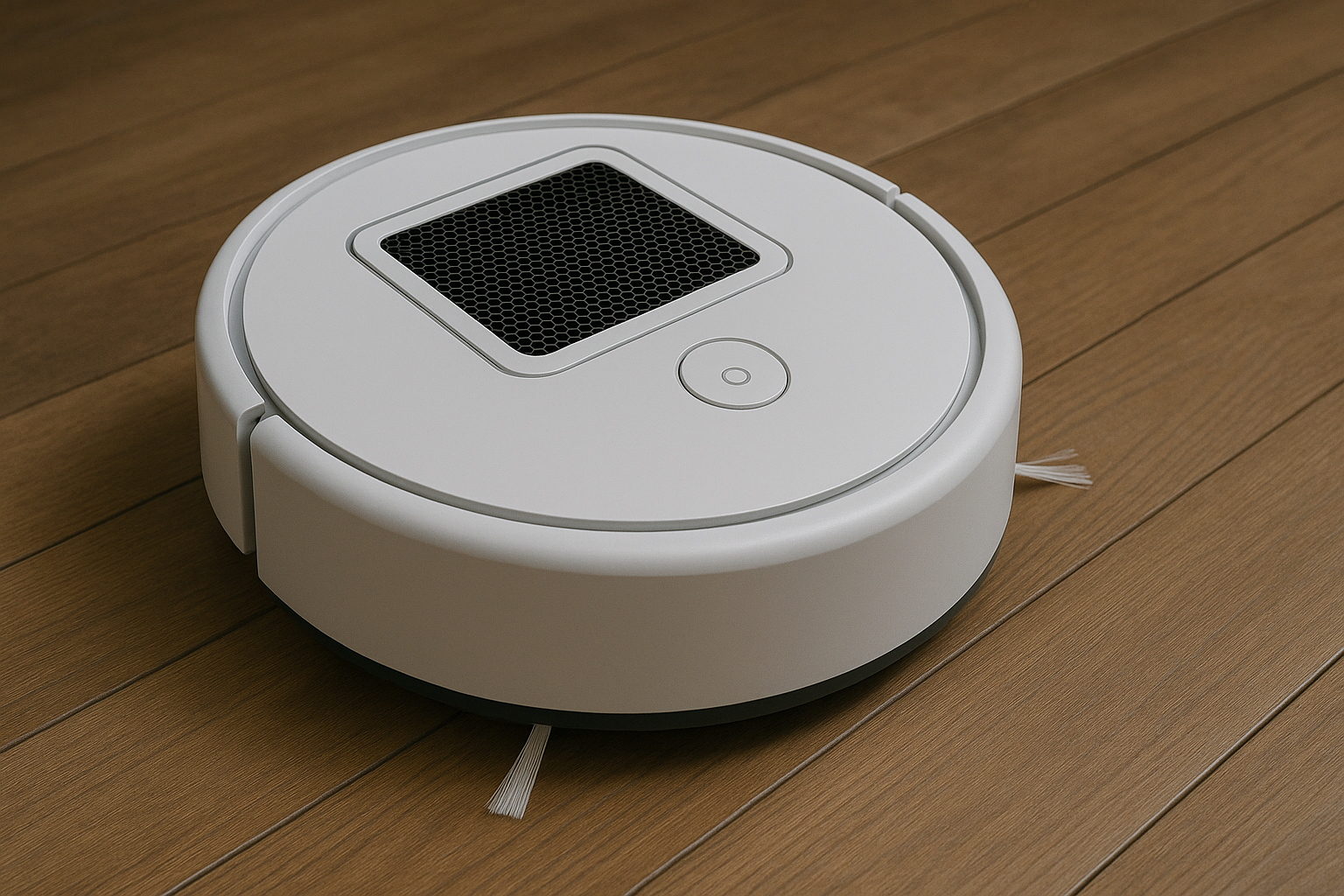
The global vacuum cleaner industry is undergoing a transformation. With the rise of robotics, hybrid systems combining air purification, and fully autonomous cleaning devices, procurement managers in Europe and the Middle East are closely tracking new paradigms. For B2B buyers, the question is no longer whether these innovations will shape the market, but how they can be integrated into sourcing strategies. This article explores the future of vacuum cleaning paradigms while naturally embedding today’s most popular product categories.
🤖 Robotics in Vacuum Cleaning
Robotics is driving a new era of efficiency and convenience. Autonomous robotic vacuums are already being used in commercial spaces, and future models promise enhanced navigation, AI-based dirt detection, and predictive maintenance. For procurement managers, this means lower labor costs and consistent cleaning standards.
Even as robotics evolves, traditional categories such as the High Suction Vacuum Cleaner remain relevant for environments requiring deep cleaning power. Buyers must therefore balance investments between emerging robotic systems and proven equipment.
🌬️ Air Purification Hybrids
Indoor air quality is becoming as critical as surface cleanliness. Hybrid systems that combine vacuum cleaning with air purification offer dual value to businesses, particularly in regions where dust and allergens are common. A Quiet Vacuum Cleaner that doubles as an air filter, for example, could provide hospitality sectors with noise-sensitive yet high-performing cleaning.
For procurement managers, hybrid models are attractive because they align with wellness and sustainability trends, which are increasingly influencing consumer and institutional purchasing decisions.
🚀 Autonomous Systems Beyond Robotics
While robotic vacuums represent the first wave, the next generation of autonomous systems will integrate with smart buildings. Devices will be able to self-schedule, recharge, and even request maintenance parts automatically. Imagine a Portable Self-Cleaning Vacuum Cleaner that not only empties itself but also orders new filters before they expire.
Autonomous paradigms will particularly benefit large commercial buyers managing multiple facilities across different regions. These systems reduce downtime and allow predictive budgeting for maintenance.
🛠️ Durability and Multi-Functionality
Future vacuum paradigms are not only about autonomy but also about resilience. Buyers in B2B channels prefer machines that combine durability with multiple functionalities. A Multi-Functional Durable Vacuum Cleaner, for instance, provides flexibility across industrial, office, and retail environments.
Procurement managers are increasingly evaluating lifecycle cost rather than upfront pricing. Durable and multi-functional machines lower replacement frequency, making them valuable in regions with challenging infrastructure.
⚡ Lightweight and Energy Efficiency
Future buyers are also prioritizing portability and energy conservation. A Fast Lightweight Vacuum Cleaner appeals to facilities requiring quick cleaning in narrow spaces, while an Energy-Saving Efficient Powerful Vacuum Cleaner reduces long-term electricity costs. These innovations directly align with corporate sustainability policies and environmental regulations.
As autonomous devices expand, efficiency will remain a core requirement. AI-driven algorithms will balance suction power, battery use, and air filtration to optimize performance.
💧 Wet & Dry Cleaning Expansions
The demand for Large-Capacity Wet Dry Vacuum Cleaner units remains strong, particularly in industries such as construction, automotive, and manufacturing. Future systems will integrate robotics with wet-dry functionalities, enabling autonomous handling of complex cleaning tasks.
Similarly, Wet Dry Vacuum Cleaners and hybrid versions like the 4 in 1 Cordless Smart Wet & Dry Vacuum Cleaner are gaining traction as facilities seek one-stop solutions that minimize the number of devices needed.
🔋 Cordless Autonomy
Cordless technology is integral to autonomy. Devices such as the Cordless Handheld Vacuum Cleaner and broader Cordless Vacuum Cleaner ranges have already demonstrated how freedom from cords enhances usability. Future systems will rely heavily on advanced battery technologies, faster charging, and wireless connectivity for predictive maintenance.
Cordless vacuums will also integrate seamlessly with smart grids, scheduling cleaning cycles during off-peak electricity hours, further supporting sustainability goals.
🚗 Specialized Applications
Not all innovations are limited to homes and offices. The Car Vacuum Cleaner segment is also evolving. Future models may feature hybrid air purification, cordless convenience, and AI-based dirt mapping. For automotive distributors and fleet managers, this represents a new revenue stream aligned with the rise of connected vehicles.
📊 Strategic Implications for B2B Buyers
For procurement managers, these future paradigms require new sourcing strategies:
Balance portfolios between emerging technologies and proven equipment.
Prioritize hybrid solutions that align with health and sustainability trends.
Invest in autonomous readiness by building after-sales ecosystems that can handle predictive maintenance.
Evaluate lifecycle cost over upfront price to maximize ROI.
Buyers in Europe and the Middle East must also consider regional challenges such as infrastructure, spare parts availability, and technical training. Planning for after-sales service is as crucial as evaluating product innovation.
🏁 Conclusion
Vacuum cleaning paradigms are shifting from manual devices to integrated autonomous systems that combine robotics, air purification, and smart connectivity. For B2B buyers, the challenge is not only to stay updated but also to align procurement strategies with these trends. Whether sourcing a High Suction Vacuum Cleaner or exploring autonomous AI-driven models, procurement professionals must focus on reliability, durability, and long-term value.
📌 Suitable Audience
Vacuum cleaner procurement managers in Europe & the Middle East
Distributors evaluating next-gen vacuum technologies
B2B buyers seeking hybrid and autonomous solutions
Industry entrepreneurs and innovators tracking cleaning technology trends
#Hashtags
#HighSuctionVacuumCleanerDistributors, #QuietVacuumCleanerSuppliers, #PortableSelfCleaningVacuumCleanerResellers, #MultiFunctionalDurableVacuumCleanerWholesalers, #FastLightweightVacuumCleanerImporters, #EnergySavingEfficientPowerfulVacuumCleanerProcurement, #LargeCapacityWetDryVacuumCleanerBuyers, #CordlessHandheldVacuumCleanerExporters, #WetDryVacuumCleanersDealers, #4in1CordlessSmartWetDryVacuumCleanerMarket, #CordlessVacuumCleanerBrands, #CarVacuumCleanerSuppliers, #VacuumCleanerSparePartsDistributors, #ApplianceRepairShopPartners, #VacuumCleanerAfterSalesServiceProviders, #OEMVacuumCleanerServiceSolutions, #VocationalTrainingForVacuumRepair, #TechnicalInstitutesForApplianceRepair, #RegionalSparePartsHubs, #VacuumCleanerLogisticsPartners, #VendorManagedInventoryVacuumParts, #DigitalVacuumRepairPlatforms, #RemoteDiagnosticSupport, #ELearningForVacuumRepair, #VacuumRepairCertificationPrograms, #PerformanceBasedIncentivesForPartners, #ExtendedWarrantyServiceModels, #RevenueSharingRepairSolutions, #ModularDesignVacuumCleaners, #DurableVacuumCleanerComponents, #UniversalSparePartsForVacuums, #VacuumCleanerKPIsAndMonitoring, #RecyclingVacuumCleanerParts, #RefurbishedVacuumCleanerMarket, #MENAVacuumCleanerDistributors, #EuropeanVacuumCleanerBuyers, #MiddleEastB2BVacuumProcurement, #ApplianceWholesalersInWeakInfrastructureMarkets, #RepairEcosystemDevelopment, #AfterSalesServiceIncubation, #ApplianceServiceTrainingPrograms, #MicroHubSparePartsStorage, #TechnicianPipelineDevelopment, #ApplianceBrandLocalPartners, #GlobalVacuumCleanerProcurementStrategy, #ServiceEcosystemForVacuumBrands, #SparePartsKitSuppliers, #CustomerSatisfactionInVacuumRepair, #ApplianceServiceSustainability, #InternationalVacuumCleanerMarketEntryStrategies📌