Hi, message us with any questions.
We're happy to help!





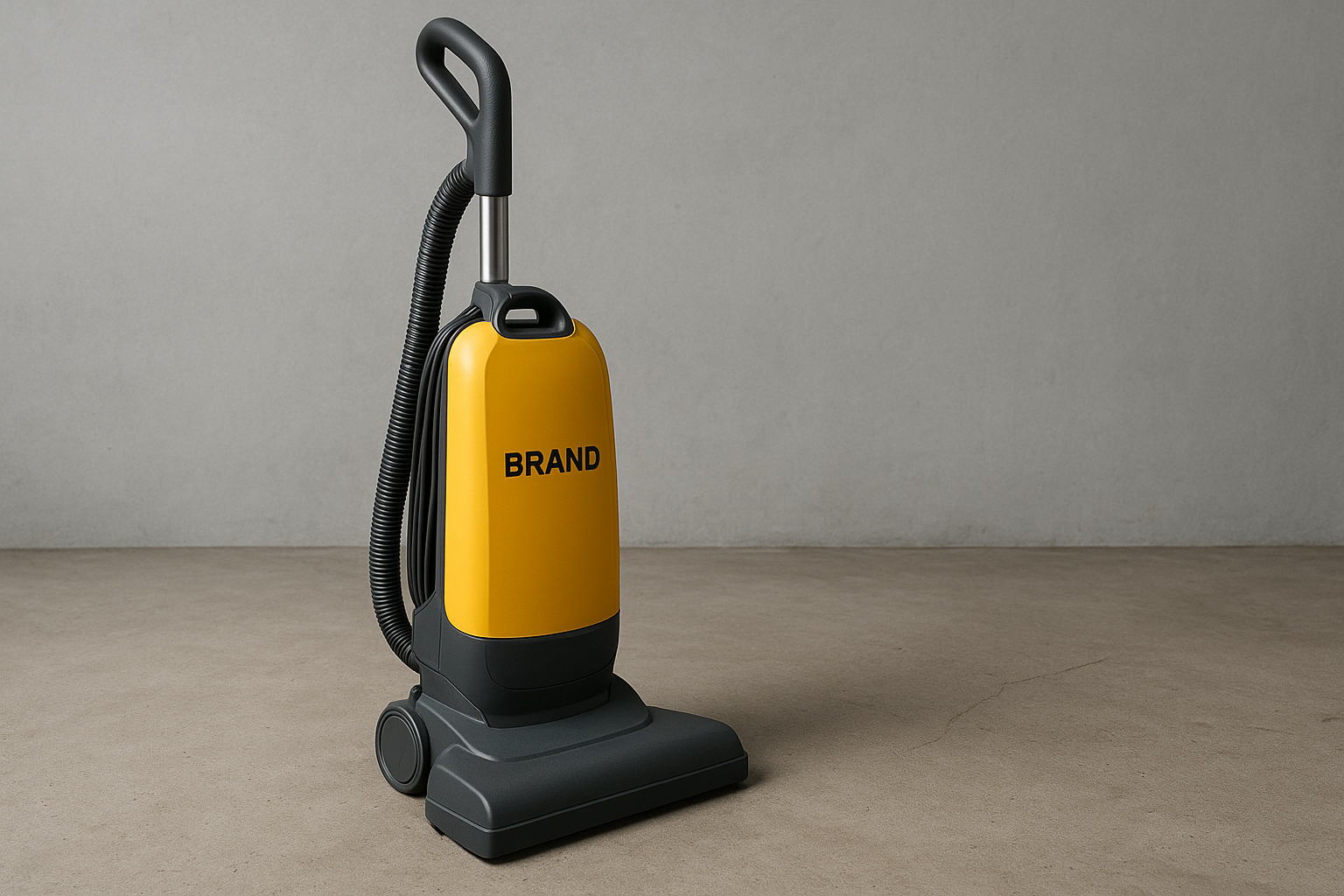
As competition in the vacuum cleaner market intensifies, distributors are searching for innovative ways to expand their reach. One emerging strategy is co-branding with cleaning service providers. By partnering directly with service companies, distributors in Europe and the Middle East can transform traditional sales models into collaborative ecosystems that benefit all parties. This article examines how co-branding works, its advantages, and how distributors can implement this strategy effectively.
1. Why Co-Branding with Cleaning Service Providers?
Cleaning service providers are trusted partners for both commercial and residential clients. When distributors collaborate with them, vacuum cleaners are not just sold as products—they are embedded as part of a professional cleaning solution. This integration strengthens brand credibility and accelerates market penetration.
For example, a High Suction Vacuum Cleaner positioned through a premium cleaning service gains instant validation from end-users. A Quiet Vacuum Cleaner offered in hospitality cleaning contracts demonstrates performance while ensuring noise-sensitive environments remain undisturbed.
👉 Forbes on Co-Branding Partnerships
2. Value Creation for Distributors
For distributors, co-branding is more than a sales channel—it is a long-term growth strategy. By embedding products into professional cleaning services, distributors can:
Secure recurring orders linked to service contracts
Build stronger relationships with facility managers
Differentiate themselves from competitors focused solely on retail
Consider a Portable Self-Cleaning Vacuum Cleaner. When integrated into a service provider’s toolkit, it becomes part of a professional offering rather than a one-time purchase. Similarly, a Multi-Functional Durable Vacuum Cleaner signals reliability and reduces downtime, both key concerns for cleaning companies.
👉 Deloitte on Creating Value in Distribution
3. Strengthening Market Presence Through Service Endorsement
Co-branding ensures that vacuum cleaner distributors benefit from the trust service providers already enjoy. Endorsements from professional cleaners act as powerful marketing tools, influencing both B2B and B2C decision-makers.
For example, showcasing an Energy-Saving Efficient Powerful Vacuum Cleaner within eco-certified cleaning services adds sustainability credentials to the distributor’s portfolio. A Fast Lightweight Vacuum Cleaner used in daily commercial cleaning highlights efficiency and ease of handling.
When clients see vacuum cleaners consistently recommended by service providers, distributors gain a competitive advantage in reputation and visibility.
4. Operational Advantages of Co-Branding
Beyond marketing, co-branding improves operational efficiency. Shared logistics, training programs, and after-sales support reduce overhead and create smoother workflows.
A Large-Capacity Wet Dry Vacuum Cleaner co-branded with an industrial cleaning provider can be delivered directly to job sites, minimizing storage costs. Meanwhile, Wet Dry Vacuum Cleaners used by professional teams offer real-world performance data that guides product improvements.
👉 Accenture on Ecosystem Partnerships
5. Enhancing End-User Experience
End-users benefit from this partnership as much as distributors. Co-branding aligns professional expertise with high-quality products, ensuring customers receive superior service.
A Cordless Handheld Vacuum Cleaner provided during home service visits demonstrates flexibility and ease of use.
A 4 in 1 Cordless Smart Wet & Dry Vacuum Cleaner showcases advanced technology while reducing the number of tools service providers need.
A Cordless Vacuum Cleaner positioned in business cleaning packages highlights convenience and mobility.
A Car Vacuum Cleaner included in automotive detailing services strengthens brand recognition in niche markets.
The result is a seamless customer journey where products and services reinforce each other.
6. Key Considerations for Successful Co-Branding
To ensure co-branding partnerships succeed, distributors must plan strategically:
Shared values: Align with service providers committed to quality and sustainability.
Training programs: Ensure service teams are well-versed in product features and maintenance.
Clear contracts: Define responsibilities in branding, logistics, and after-sales support.
Feedback loops: Leverage service provider insights to refine product design and performance.
By addressing these factors, distributors can create partnerships that are both resilient and profitable.
Conclusion
Co-branding with cleaning service providers offers vacuum cleaner distributors a powerful new route to distribution. By embedding products into professional services, distributors gain credibility, recurring revenue, and stronger customer relationships. For distributors in Europe and the Middle East, this model represents an opportunity to stand out in a crowded marketplace while building long-term resilience.
🌐 Learn more: www.lxvacuum.com
📌 Hashtags
High Suction Vacuum Cleaner, Quiet Vacuum Cleaner, Portable Self-Cleaning Vacuum Cleaner, Multi-Functional Durable Vacuum Cleaner, Fast Lightweight Vacuum Cleaner, Energy-Saving Efficient Powerful Vacuum Cleaner, Large-Capacity Wet Dry Vacuum Cleaner, Cordless Handheld Vacuum Cleaner, Wet Dry Vacuum Cleaners, 4 in 1 Cordless Smart Wet & Dry Vacuum Cleaner, Cordless Vacuum Cleaner, Car Vacuum Cleaner, B2B distribution strategy, cleaning service partnerships, co-branding in appliances, vacuum cleaner distribution channels, service-led product endorsement, sustainable distribution models, recurring revenue in B2B, ecosystem business models, cross-industry partnerships, brand credibility in B2B, integrated service solutions, distributor–provider collaboration, customer experience in cleaning industry, innovation in distribution, professional cleaning endorsements, product differentiation in B2B, value creation in distribution, building trust with buyers, channel diversification strategy, facility management partnerships, embedded product marketing, growth strategies for distributors, operational efficiency in B2B, logistics collaboration in distribution, leveraging service provider trust, brand positioning through co-branding, enhancing end-user satisfaction, competitive advantage in distribution, cross-border distribution practices, innovation in B2B trade, expanding into niche cleaning markets, aligning with eco-certified services, feedback-driven product design, reducing overhead through co-branding, localized distribution strategies, strengthening market presence, collaboration frameworks, long-term B2B growth, co-branded customer journey, service-integrated product launches, brand reputation building, distribution resilience strategies