Hi, message us with any questions.
We're happy to help!





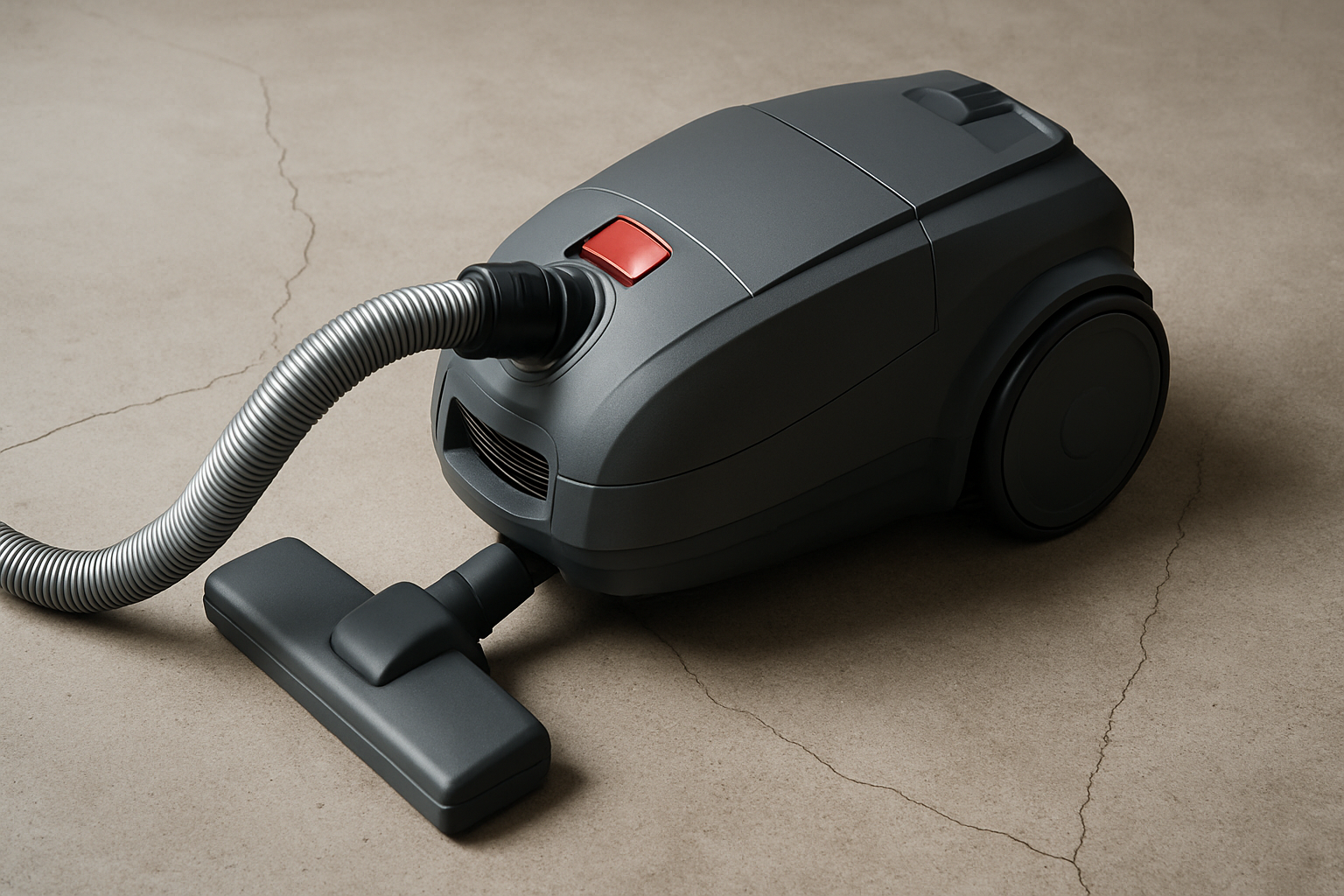
In the competitive landscape of the vacuum cleaner industry, securing B2B deals is only half the battle. The real challenge lies in scaling those partnerships successfully. For vacuum cleaner B2B buyers in Europe and the Middle East, understanding why deals collapse during the scale-up phase is critical to ensuring sustainable growth. This article explores the main reasons B2B vacuum deals fail and provides actionable strategies to prevent collapse, supported by real-world industry insights.
1. Misaligned Expectations Between Buyers and Suppliers
One of the most common reasons B2B vacuum deals collapse is a mismatch of expectations. Buyers may anticipate faster delivery, broader product variety, or deeper after-sales support than suppliers are prepared to provide.
For instance, a buyer sourcing a High Suction Vacuum Cleaner for industrial applications may expect it to arrive with specific certifications. If suppliers fail to meet these technical standards, trust breaks down quickly. Similarly, a Quiet Vacuum Cleaner designed for office or hotel environments must meet strict noise-level expectations, or the deal risks termination.
👉 Harvard Business Review on B2B Relationship Management
2. Supply Chain Bottlenecks
Scaling B2B deals often puts immense pressure on the supply chain. Shortages in raw materials, disruptions in logistics, or weak supplier networks can cause delays and missed deadlines.
Take the example of a Portable Self-Cleaning Vacuum Cleaner. If the supplier cannot source modular filter components on time, deliveries stall. For a Multi-Functional Durable Vacuum Cleaner, failure to secure reliable parts vendors undermines promises of long product lifecycles.
👉 McKinsey on Supply Chain Resilience
3. Inconsistent Product Quality
B2B buyers depend on consistency. A product that performs well in initial orders must maintain the same quality standards during mass production.
For example, an Energy-Saving Efficient Powerful Vacuum Cleaner that excels in prototype form may lose efficiency during large-scale manufacturing if quality control isn’t rigorous. A Fast Lightweight Vacuum Cleaner might face durability issues when rushed into higher volumes.
Without strong quality assurance systems, B2B buyers lose confidence, leading to contract renegotiation or cancellation.
4. Pricing Conflicts During Expansion
Price sensitivity becomes magnified during scale-up. Buyers expect economies of scale to reduce costs, while suppliers often struggle with increased overheads. This misalignment can lead to collapsed negotiations.
For instance, large orders of a Large-Capacity Wet Dry Vacuum Cleaner should, in theory, reduce per-unit costs. If suppliers fail to pass on savings, buyers may turn to competitors. The same applies to bulk orders of Wet Dry Vacuum Cleaners, where transparent pricing strategies are critical to retaining buyer loyalty.
5. Limited After-Sales Support
In B2B relationships, after-sales service is as important as the product itself. Buyers need assurance that they can rely on timely support, spare parts, and training.
For example, procurement teams investing in a Cordless Handheld Vacuum Cleaner require guarantees of long-term battery replacement programs. A 4 in 1 Cordless Smart Wet & Dry Vacuum Cleaner may need software updates and technical support throughout its lifecycle.
Without robust after-sales infrastructure, B2B buyers often walk away after the initial phase of collaboration.
👉 Gartner on Customer Experience in B2B
6. Cultural and Communication Barriers
Cross-border B2B deals, particularly between Europe, the Middle East, and Asia, often suffer from cultural misunderstandings. Miscommunication about timelines, specifications, or compliance requirements can escalate into broken contracts.
A buyer of a Cordless Vacuum Cleaner might assume it complies with EU eco-label standards, while the supplier interprets requirements differently. Similarly, a Car Vacuum Cleaner designed for regional markets may face certification delays if compliance communication is weak.
Overcoming these challenges requires transparency, clear documentation, and dedicated cross-cultural account managers.
7. Strategies to Prevent Deal Collapse
To prevent B2B vacuum deals from collapsing during scale-up, companies must adopt proactive measures:
Align expectations early: Detailed contracts outlining specifications, certifications, and delivery timelines reduce future disputes.
Strengthen supply chains: Multiple vendors, safety stocks, and local partnerships ensure reliability.
Implement strict quality control: Regular audits safeguard against inconsistent performance.
Transparent pricing models: Clear explanations of cost structures build buyer confidence.
Invest in after-sales service: Dedicated support teams, spare parts availability, and digital platforms enhance trust.
Bridge cultural gaps: Local liaisons and standardized compliance frameworks ensure smoother collaboration.
Conclusion
Scaling B2B vacuum deals requires more than product excellence—it demands reliable systems, cultural sensitivity, and long-term trust. By learning from the common reasons deals collapse, B2B buyers in Europe and the Middle East can negotiate stronger agreements and suppliers can build more resilient operations. Preventing collapse is not only about avoiding risk but also about unlocking new opportunities for sustainable growth in the vacuum cleaner industry.
🌐 Learn more: www.lxvacuum.com
📌 Hashtags
High Suction Vacuum Cleaner, Quiet Vacuum Cleaner, Portable Self-Cleaning Vacuum Cleaner, Multi-Functional Durable Vacuum Cleaner, Fast Lightweight Vacuum Cleaner, Energy-Saving Efficient Powerful Vacuum Cleaner, Large-Capacity Wet Dry Vacuum Cleaner, Cordless Handheld Vacuum Cleaner, Wet Dry Vacuum Cleaners, 4 in 1 Cordless Smart Wet & Dry Vacuum Cleaner, Cordless Vacuum Cleaner, Car Vacuum Cleaner, B2B vacuum procurement, cross-border vacuum deals, vacuum cleaner supply chain, industrial cleaning partnerships, vacuum product certification, sustainable B2B sourcing, vacuum cleaner after-sales service, large-scale vacuum contracts, vacuum cleaner quality assurance, price negotiations in B2B, international vacuum trade, vacuum cleaner compliance standards, risk management in procurement, supplier–buyer alignment, contract transparency in B2B, scale-up challenges in vacuum industry, European vacuum cleaner buyers, Middle East vacuum cleaner sourcing, cross-cultural business practices, procurement best practices, bulk order vacuum supply, vacuum cleaner lifecycle costs, trust in B2B partnerships, managing supply chain disruptions, competitive sourcing strategies, vacuum cleaner OEM partnerships, certification delays in appliances, long-term procurement strategy, innovation in vacuum cleaner trade, negotiation in B2B deals, smart procurement technology, procurement risk analysis, industrial equipment sourcing, global vacuum cleaner markets, collaboration in B2B trade, value creation in procurement, stable supply agreements, circular procurement models, vacuum cleaner brand reputation, sustainable trade frameworks