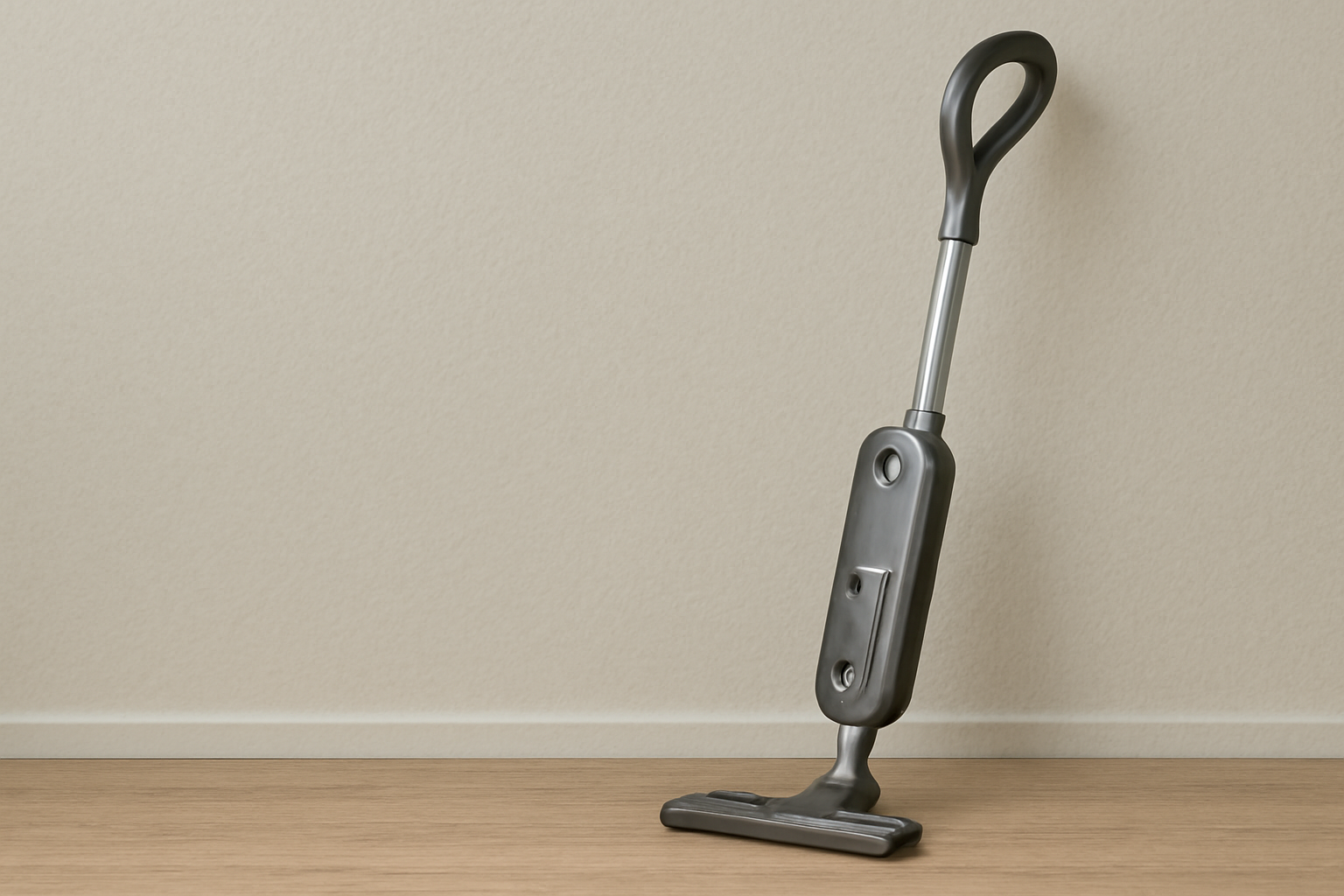
⚙️📉 1. Lightweight Designs Reduce Airflow Stability — No Brand Wants to Admit It
Reducing weight in a Fast Lightweight Vacuum Cleaner almost always increases structural vibration.
Less material = less rigidity.
Less rigidity = more micro-flexing under suction load.
More flexing = fluctuating airflow pressure.
This happens even before airflow reaches the motor.
The consequences:
Weight reduction often compromises the internal airflow pathway unless reinforced with engineered ribs, higher-grade polymers, or optimized duct geometry. Most budget models skip these upgrades.
This is why users think:
“Lightweight vacuums are weak.”
The truth is:
weight savings must be engineered, not simply removed.
🌀🔬 2. Motor Size vs. Performance—The Silent Battle Behind Lightweight Vacuums
Lightweight vacuums generally pair a smaller motor with a smaller fan blade system.
This reduces:
raw suction potential
maximum airflow volume
torque stability
cooling efficiency
Even a good budget vacuum cannot escape physics.
Small motors run hotter under load, which triggers:
thermal throttling
RPM reduction
suction drop-off
early motor fatigue
High-performance lightweight models require:
Low-cost lightweight vacuums often lack these features, making them feel weaker after just a few minutes of use.
🔊📢 3. Noise Increases as Weight Decreases — A Hidden Engineering Trade-Off
Lightweight housings amplify noise.
The housing acts like a speaker body—thin plastic vibrates more aggressively.
Why lightweight vacuums get loud:
Many models marketed as “powerful but light” are engineered for appearance and portability, not acoustic stability.
A premium lightweight design needs:
ribbed housing
double-wall internal layers
controlled turbulence pathways
vibration-isolated motor mount
acoustic padding
Budget models skip these, so they sound weak even if they clean well.
🧹💨 4. Lightweight Vacuums Struggle with Carpet Depth — It’s a Torque Problem
Carpets require torque, not just suction.
Lightweight vacuums often lack both:
motor torque
brushroll torque
Carpet fibers trap dust deep inside. Without high torque, even a Fast Lightweight Vacuum Cleaner cannot penetrate the pile.
Problems on carpets include:
Manufacturers rarely advertise torque specs, but torque is the real indicator of carpet performance — not suction numbers printed on the box.
🪫⚡ 5. Lightweight Cordless Models Drain Batteries Faster
Weight reduction often includes a smaller battery.
Smaller battery = less capacity.
Less capacity = faster drop in power output under load.
Consequences:
Budget cordless models degrade rapidly after 3–6 months because the battery must work harder to maintain airflow.
Lighter battery = lower stability = weaker performance.
🧪🪤 6. Lightweight Dust Cups Fill Faster — and Lose Efficiency Faster
Lightweight vacuums often use smaller dust cups due to size constraints.
Smaller dust cup = faster loss of:
cyclone stability
airflow efficiency
pressure balance
Once the dust cup is 40–50% full:
suction weakens
debris rotates poorly
bypass risk increases
HEPA clogs faster
Apartment Vacuum Cleaner units must use smarter geometry to maintain airflow even in limited space, but low-cost designs rarely do.
🛠️📉 7. Brands Use “Lightweight” to Hide Cheaper Materials
In reality, many “lightweight” vacuums are simply:
This reduces durability and causes:
cracks
loose handle joints
tube vibration
brushroll deformation
dust cup leakage
loss of seal integrity
Consumers think “lightweight = convenient,” but distributors know:
cheap lightweight vacuums are structurally fragile.
🧲⚙️ 8. Lightweight Designs Reduce Sealing Quality — Suction Loss Is Inevitable
To achieve low weight, manufacturers often:
This introduces micro-leaks.
A vacuum loses 5–15% suction instantly when seals are not airtight.
Brands rarely highlight this issue.
▶️🏆 9. The Lightweight Vacuums That Actually Perform Well Share These Hidden Features
A truly high-performing lightweight vacuum requires:
✔ multi-layer airflow sealing
✔ internal rib reinforcement
✔ brushless high-speed motor
✔ optimized cyclone geometry
✔ non-stick dust cup walls
✔ acoustic dampening channels
✔ torque-focused floorhead design
✔ larger battery-to-weight ratio
✔ carbon fiber or aluminum structural tubes
✔ reinforced brush bearings
These add manufacturing cost but make lightweight units perform like premium ones.
This is how the best value you can get lightweight vacuums succeed.
🧽🧠 10. When Lightweight Vacuums Make Sense (And When They Don’t)
Ideal use cases:
apartments
small rooms
quick daily cleanups
hardwood floors
low-pile carpets
vehicle interiors
seniors
students
Not ideal for:
For heavy debris, users should choose a Large-Capacity Wet Dry Vacuum Cleaner instead of a lightweight stick model.
🎯 Suitable for:
EU/US/Middle East distributors
OEM/ODM procurement teams
vacuum engineers & R&D
retail buyers
Amazon FBA sellers
home appliance product strategists
brand owners targeting small apartments
🏷 Hashtags(50 groups including lanxstar)
#lanxstar #vacuumcleaner #lightweightvacuum #fastlightweightvacuum #budgetvacuum #bestvaluevacuum #bestvalueyoucanget #floorcleaning #airflowengineering #motorperformance #hepa #apartmentvacuum #wetdryvacuum #cyclonedesign #brushrolltorque #dustcupdesign #productdevelopment #chinavacuum #chinamanufacturing #homeappliances #vacuumdistribution #engineeringdesign #durabledesign #cleaningtech #suctionpower #cordlessvacuum #batteryperformance #noiseengineering #structuredesign #airsealingsystem #goodbudgetvacuum #valuevacuum #affordablevacuum #petvacuum #carpetcleaning #sandproofvacuum #motoroverheating #qcmanagement #oemodm #importexport #middleeastmarket #eumarket #usmarket #innovation2025 #cleanhome #industrialdesign #vacuumfailures #brushrolldesign #vacuumphysics











