Hi, message us with any questions.
We're happy to help!





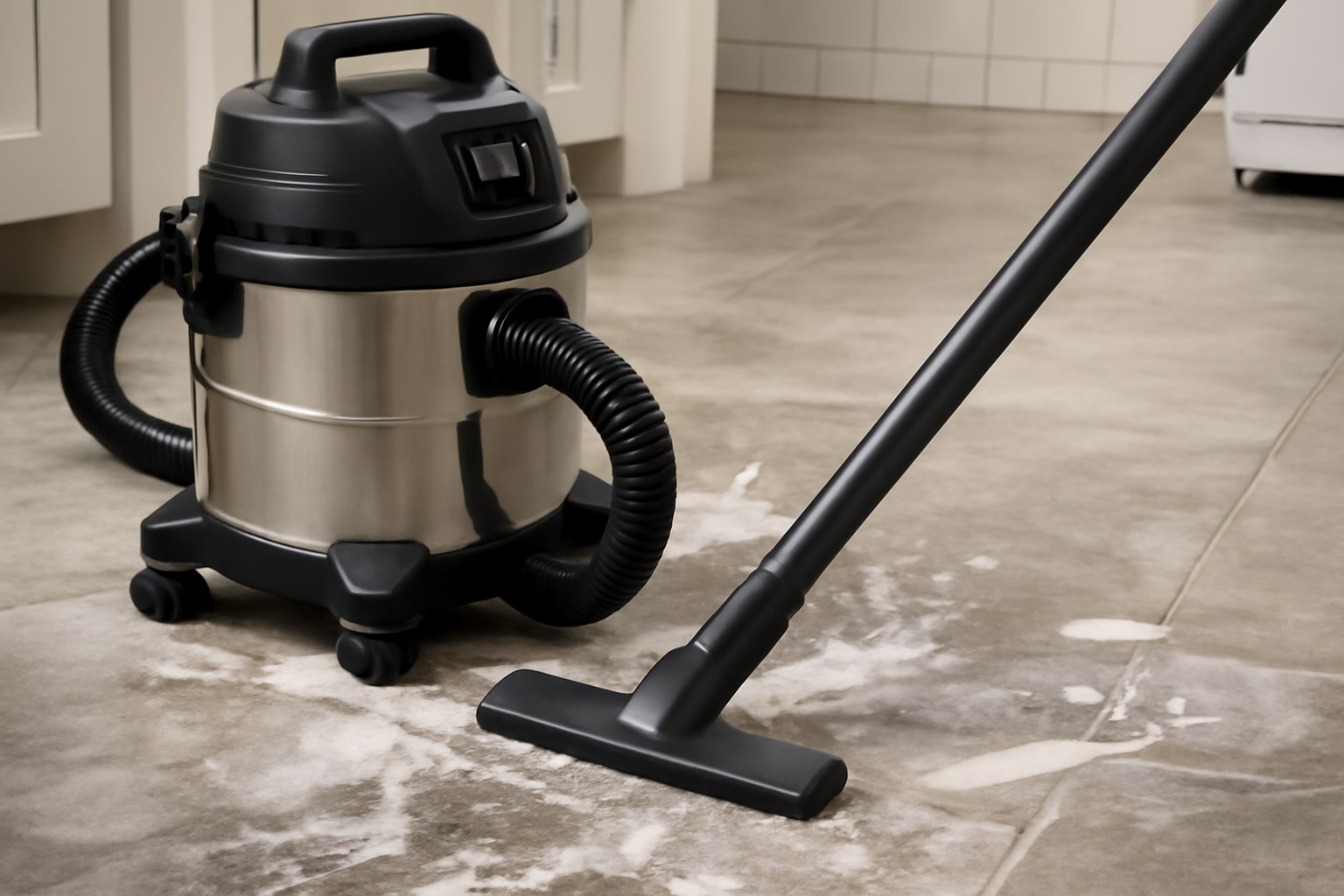
Cleaning wet messes in areas like bathrooms and kitchens can be a challenge, but wet dry vacuum cleaners are an excellent solution. These versatile machines are capable of tackling both dry debris and wet spills, making them indispensable for maintaining cleanliness in high-moisture areas. However, to ensure both effective cleaning and safety, it’s crucial to use the wet-vacuum function correctly.
Whether you’re cleaning up a spilled drink, a messy sink overflow, or bathroom water splashes, this article will guide you through the proper precautions and tips for safely using the wet-vacuum function. We’ll also cover how to use energy-saving efficient powerful vacuum cleaners and vacuum cleaner for allergies in wet cleaning situations, ensuring they remain in top working condition.
🧹 Wet-Vacuum Function: What It Is and Why It’s Important
Wet dry vacuum cleaners are designed to handle wet messes by using a separate tank for liquids, which allows you to vacuum both solid dirt and liquid without damaging the vacuum motor. The wet-vacuum function is essential for quick cleanup in bathrooms and kitchens, where spills and splashes are common.
Benefits of Using Wet Dry Vacuum Cleaners:
Versatility: They can pick up both wet and dry messes without needing to switch equipment.
Efficiency: Quickly cleans up large spills without the need for mopping afterward.
Convenience: Reduces the need for separate cleaning tools for liquid messes, offering an all-in-one solution.
🛑 Precautions for Using Wet-Vacuum Function Safely
While wet dry vacuum cleaners are powerful tools, using them incorrectly can cause damage to the vacuum or even present safety risks. Here are some key precautions to follow when using the wet-vacuum function in high-moisture areas like bathrooms and kitchens:
1. Ensure the Tank is Properly Sealed
Before using the wet-vacuum function, ensure that the liquid collection tank is properly sealed. If the tank is not correctly secured, water can leak into the vacuum motor, causing damage and possibly even electric shock.
Tip: Always check that the tank is locked in place and that there are no visible cracks or leaks in the container.
2. Don’t Overfill the Liquid Tank
Overfilling the liquid tank can cause water to spill back into the vacuum, which can lead to damage and ineffective cleaning.
Tip: Empty the tank regularly during use, especially if you’re cleaning large amounts of liquid, to prevent overfilling.
3. Use the Right Attachments for Wet Cleaning
Using the correct attachments when using the wet function is critical to prevent damage and ensure thorough cleaning.
Recommended Attachments: Use a squeegee attachment or a specialized wet floor nozzle for wet dry vacuum cleaners to ensure effective pickup of liquid and prevent splashing.
Tip: If cleaning areas like bathroom tiles or kitchen countertops, use a vacuum for multi-surface model to ensure the vacuum doesn’t damage delicate surfaces.
4. Keep the Vacuum Motor Dry
The motor of a vacuum cleaner is not designed to be exposed to water. While wet dry vacuum cleaners have protective features, it’s still important to avoid any water coming into direct contact with the motor.
Tip: After each use, check that the motor housing and electrical components are dry before storing or reusing the vacuum.
🧽 Step-by-Step Wet-Vacuum Cleaning Procedure for Bathrooms and Kitchens
1. Prepare the Area
Clear the area of any debris or obstacles that could obstruct your vacuum. This step is crucial for ensuring smooth operation and preventing dirt from clogging the vacuum's suction mechanism.
2. Set the Vacuum to Wet Mode
Most wet dry vacuum cleaners have settings that allow you to switch between dry and wet cleaning modes. Make sure the vacuum is set to the wet function before you start.
Tip: For vacuum cleaner for allergies models, ensure the filter is designed for wet cleaning. Some vacuums have specific filters for dry and wet conditions.
3. Start with the Liquid Pick-Up
Begin vacuuming the liquid mess in the bathroom or kitchen. Work in small sections, moving the vacuum in slow, steady motions to ensure that the liquid is being sucked into the tank.
Tip: If you're cleaning wet messes from a sink or a spill on a hardwood floor, ensure that you’re not using too high a suction power to avoid damaging the surface. Lower suction settings can be effective for hardwood floors or tile surfaces.
4. Rinse and Clean the Area
For areas like bathroom tiles or kitchen counters, follow up with a quick rinse of the area using a mop or cleaning cloth, if necessary, to pick up any remaining residue.
Tip: After using the wet vacuum function, go over the area with a microfiber cloth to ensure that all remaining moisture is removed and the surface is streak-free.
5. Clean and Dry the Vacuum
Once the wet cleaning is complete, empty the liquid tank and clean it thoroughly. Be sure to dry out the tank, hoses, and any other wet components to prevent mold and bacteria growth.
Tip: After each use, store the vacuum in a dry, cool place. Allow the vacuum to fully dry before using it again.
🌟 Pro Tips for Safe Wet Cleaning in High-Moisture Areas
Use a Wet Dry Vacuum Cleaner for Maximum Efficiency: Wet dry vacuums are ideal for cleaning up large spills and messes in bathrooms and kitchens without damaging surfaces.
Don’t Use Wet Function on Delicate Floors: For sensitive surfaces like hardwood floors, it’s essential to use the vacuum's low-suction or dry function to avoid water damage. A vacuum cleaner for hardwood floors is a better option for such tasks.
Check Filters and Hoses Regularly: After wet cleaning, always clean the filters and hoses to prevent clogging or bad odors.
Never Vacuum Pure Liquids: Do not attempt to vacuum large amounts of pure liquid (like water from a bathtub) without checking your vacuum's capacity. Only small spills or light wet messes should be cleaned with the wet function.
💡 Conclusion: Cleaning Wet Messes Safely in Bathrooms and Kitchens
Using the wet dry vacuum cleaner function to clean up messes in the bathroom or kitchen can be incredibly effective, but it’s crucial to follow safety precautions to protect both the vacuum and your home. Always ensure proper attachment use, monitor the liquid tank, and maintain the vacuum after each use to keep it running efficiently.
By incorporating these pro tips and cleaning procedures, you can easily handle wet messes, improve your vacuum cleaner for allergies, and get the most out of your energy-saving efficient powerful vacuum cleaner.
Hashtags:
Wet Dry Vacuum Cleaners, Energy-Saving Efficient Powerful Vacuum Cleaner, Vacuum Cleaner for Allergies, Upright Vacuum Cleaners, Household Vacuum Cleaners, Wet Mess Cleaning, Wet-Vacuum Function, Vacuum for Multi-Surface, Bathroom Cleaning, Kitchen Cleaning, Lanxstar