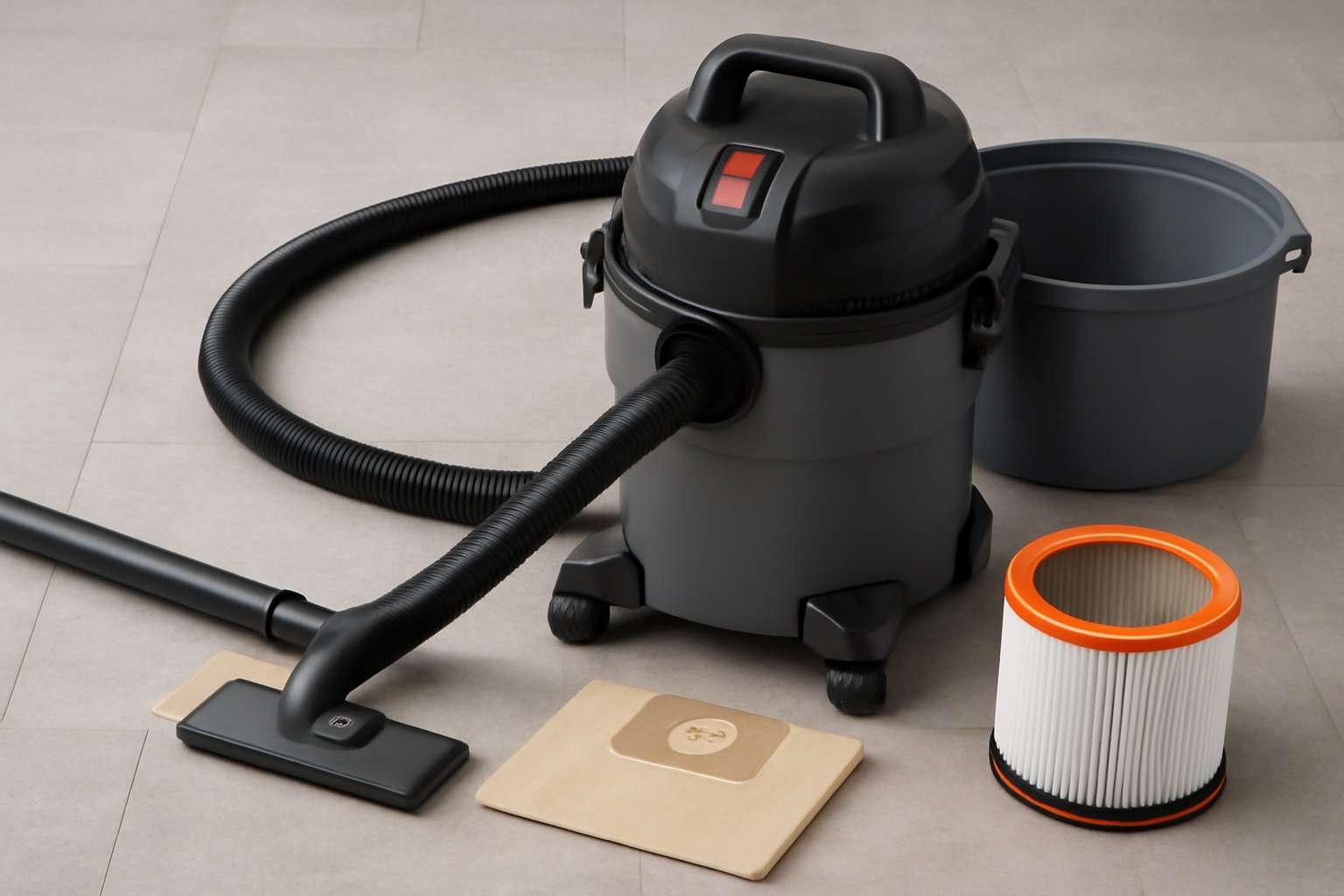
Vacuum cleaners, particularly upright vacuum cleaners and household vacuum cleaners, are essential for maintaining a clean home. However, their performance can be significantly affected by the condition of key components, such as filters, dust bags, and water tanks. Regular cleaning and replacement of these parts help ensure that your vacuum cleaner remains efficient, extends its lifespan, and reduces the need for costly repairs.
This article provides a comprehensive guide for vacuum cleaner maintenance, focusing on energy-saving efficient powerful vacuum cleaners, large-capacity wet dry vacuum cleaners, vacuum cleaners for allergies, and vacuums for multi-surface cleaning. By following a regular cleaning and replacement schedule for filters, dust bags, and water tanks, you can improve the overall performance of your vacuum cleaner.
🗓️ Filter Cleaning and Replacement Schedule
Filters are essential for maintaining your vacuum’s suction power, especially in models designed for allergy relief or multi-surface cleaning. For vacuum cleaners for allergies, a good filtration system is vital to trap dust, pet dander, and pollen. In energy-saving efficient powerful vacuum cleaners, maintaining the filter helps preserve the motor’s lifespan while maximizing energy efficiency.
Cleaning Frequency:
Upright Vacuum Cleaners: Clean filters once a month for reusable filters. If you use a large-capacity wet dry vacuum cleaner, clean the filters monthly to maintain airflow and suction.
Energy-Saving Efficient Powerful Vacuum Cleaners: Check and clean filters every 1-2 months, depending on the vacuum’s usage.
Vacuum for Multi-Surface: Clean filters monthly to ensure they aren’t clogged by debris from carpets, hardwood, or tiles.
Replacement Frequency:
Reusable Filters: Replace them every 6-12 months, depending on the usage frequency.
HEPA Filters: These should be replaced every 6-12 months, especially if the vacuum cleaner is used in allergy-prone environments.
🗑️ Dust-Bag Cleaning and Replacement Schedule
Dust bags are responsible for collecting all the debris that the vacuum picks up, and if they’re not maintained properly, the vacuum’s suction will be compromised. This is particularly important for large-capacity wet dry vacuum cleaners, which handle both dry debris and liquid spills.
Cleaning Frequency:
Household Vacuum Cleaners: For bagless models, empty the dustbin after each use to maintain optimal suction power. For energy-saving efficient powerful vacuum cleaners, it’s best to empty the dust bag every few uses depending on the bag's capacity.
Large-Capacity Wet Dry Vacuum Cleaner: Clean the dust bag after heavy-duty use or at least once every 2-4 weeks to ensure the vacuum continues to perform at its best.
Replacement Frequency:
Disposable Dust Bags: Replace the dust bag when it is about 75% full. Regular replacement is key to maintaining suction power.
Wet Dry Vacuums: If used for wet tasks, ensure the bag is cleaned and dried properly after each use. Replace the bag immediately if it becomes wet or saturated with moisture.
💧 Water Tank Cleaning and Replacement Schedule
For large-capacity wet dry vacuum cleaners, regular cleaning of the water tank is crucial to prevent bacterial growth, unpleasant odors, and reduced suction power. Since wet dry vacuums are designed for handling liquids, the water tank should be maintained properly to avoid mold buildup.
Cleaning Frequency:
Wet Dry Vacuums: After each use, empty and rinse the water tank to remove any dirt or moisture. Always dry the tank thoroughly to avoid mold and bacteria buildup.
Vacuum for Multi-Surface: Clean the water tank after each use, especially when used for both wet and dry cleaning.
Replacement Frequency:
Water Tanks: Generally, water tanks don’t need frequent replacement. However, it’s recommended to deep clean the water tank every 3-6 months to prevent mineral deposits from accumulating. If the tank becomes damaged or cracked, replace it immediately.
🔧 Tips for Prolonging Vacuum Cleaner Lifespan
Regular Inspections: Periodically check the vacuum hose, nozzle, and brush roll for clogs or debris that could reduce suction power.
Proper Storage: Store your upright vacuum cleaner or large-capacity wet dry vacuum cleaner in a cool, dry place to prevent mold and mildew from growing in damp conditions.
Avoid Overfilling: Don't let dust bags or dust bins get too full. Overfilling can reduce the suction power and cause strain on the motor.
Use Manufacturer-Approved Parts: Always use the recommended filters, dust bags, and water tanks for your vacuum cleaner model to ensure optimal performance.
💡 Conclusion
By following the recommended schedules for cleaning and replacing the filters, dust bags, and water tanks, you can maintain the peak performance of your vacuum cleaner. Whether you own an energy-saving efficient powerful vacuum cleaner, a large-capacity wet dry vacuum cleaner, or a vacuum for multi-surface cleaning, regular maintenance will prolong the life of your appliance, enhance its efficiency, and reduce the need for costly repairs.
With these easy-to-follow guidelines, you can keep your vacuum cleaner in excellent condition, providing your customers with better cleaning results and maximizing the return on investment.
Hashtags:
Upright Vacuum Cleaners, Household Vacuum Cleaners, Energy-Saving Efficient Powerful Vacuum Cleaner, Large-Capacity Wet Dry Vacuum Cleaner, Vacuum Cleaner for Allergies, Vacuum for Multi-Surface, Vacuum Cleaner Maintenance, Vacuum Filter Cleaning, Dust-Bag Replacement, Wet Dry Vacuum Cleaner Care, Vacuum Cleaning Tips, Vacuum Cleaner Lifespan, HEPA Filters, Allergy-Friendly Vacuum Cleaners, Vacuum for Multi-Surface Cleaning, Vacuum Cleaner Care Schedule, Vacuum Cleaner Performance, Vacuum Cleaner Efficiency, Long-Lasting Vacuum Cleaners, Lanxstar