Hi, message us with any questions.
We're happy to help!





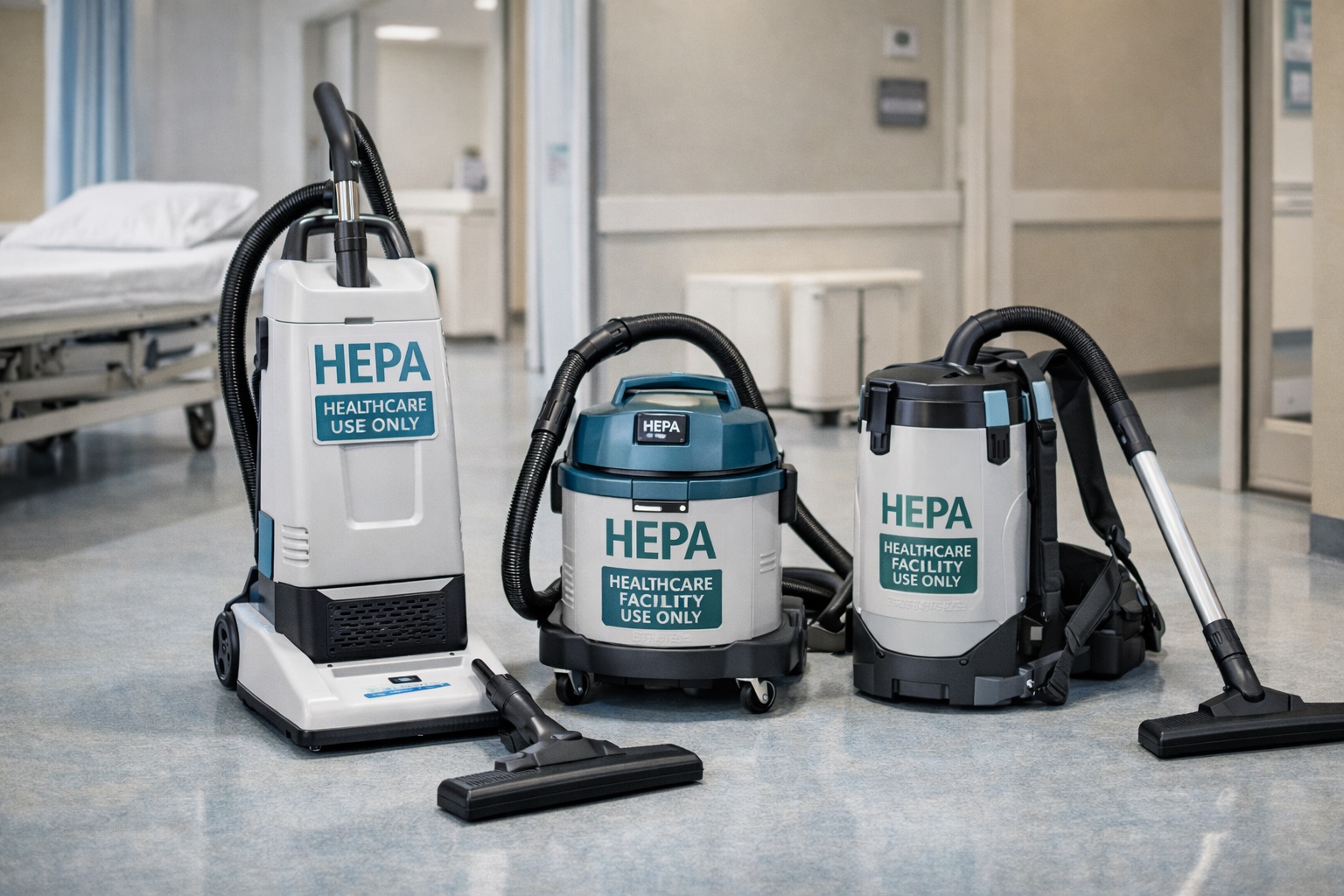
In healthcare settings, cleanliness is not just a matter of appearance—it’s essential for patient safety. Hospitals, clinics, and medical facilities must adhere to stringent hygiene standards to prevent infections and ensure a safe environment for patients and staff. One of the most effective ways to maintain these standards is through the use of HEPA vacuum cleaners. These vacuums are designed to capture microscopic particles, bacteria, viruses, and allergens, preventing the spread of harmful substances in sensitive areas. This article will explore the crucial role HEPA vacuums play in maintaining hygiene and infection control in healthcare facilities.
1. Why Hygiene Standards Matter in Healthcare Facilities
Hygiene standards in healthcare facilities are essential to prevent the spread of infections and ensure a safe environment for both patients and staff. Poor cleanliness can lead to the spread of hospital-acquired infections (HAIs), which are a significant concern in healthcare settings. According to the World Health Organization (WHO), millions of people worldwide suffer from HAIs each year, which can lead to prolonged hospital stays, increased treatment costs, and even death.
Maintaining proper hygiene requires more than just regular surface cleaning; it also involves controlling the airborne particles, allergens, and pathogens that could potentially spread diseases. This is where HEPA vacuum cleaners come into play. By capturing harmful particles from floors, carpets, and surfaces, HEPA vacuums help ensure that healthcare facilities meet high hygiene standards and reduce the risk of infection.
2. How HEPA Vacuum Cleaners Contribute to Infection Control
HEPA (High-Efficiency Particulate Air) filters are capable of trapping 99.97% of particles as small as 0.3 microns, including bacteria, viruses, dust, mold spores, and pollen. In healthcare facilities, HEPA vacuum cleaners are essential tools for infection control because they:
Capture Airborne Pathogens and Allergens
HEPA vacuums effectively capture airborne particles, such as bacteria and viruses, which could otherwise spread throughout the facility. This is especially important in areas where patients with compromised immune systems are treated, such as oncology units and ICUs. By removing airborne pathogens, HEPA vacuums help reduce the risk of infections and allergic reactions among patients and healthcare workers.
Prevent Cross-Contamination
Cross-contamination is a major concern in healthcare facilities, where harmful pathogens can easily spread from one area to another. By using HEPA vacuums, healthcare facilities can prevent dirt, dust, and pathogens from transferring from contaminated areas to clean zones. For example, the vacuum's filtration system ensures that dust, bacteria, and allergens picked up from the floor are contained within the vacuum, preventing them from escaping back into the air.
Ensure Cleanliness in High-Risk Areas
In medical environments, areas like operating rooms, patient wards, and sterile zones require thorough cleaning to maintain hygiene standards. HEPA vacuums are ideal for these areas because they ensure that even the tiniest particles are captured, preventing contamination and supporting a sterile environment.
3. Key Benefits of Using HEPA Vacuum Cleaners in Healthcare Facilities
In addition to preventing cross-contamination and supporting infection control, HEPA vacuum cleaners offer several other key benefits for healthcare facilities:
Improved Air Quality
HEPA vacuums help improve air quality by trapping airborne contaminants that would otherwise circulate throughout the facility. This is particularly important in medical environments where poor air quality can lead to respiratory issues for both patients and healthcare staff. By removing allergens, dust, and microbes, HEPA vacuums contribute to a healthier indoor environment.
Effective at Removing Microbes and Pathogens
HEPA vacuum cleaners are particularly effective at removing harmful microbes and pathogens that might otherwise evade traditional cleaning methods. Their superior filtration ensures that bacteria, viruses, and other infectious particles are captured and prevented from spreading through the air or on surfaces.
Compliance with Health and Safety Regulations
Hospitals and healthcare facilities must comply with strict health and safety regulations set by governmental and healthcare organizations. Using HEPA vacuum cleaners helps ensure that facilities meet the standards required for infection control and hygiene, reducing the risk of non-compliance fines or penalties.
Low Maintenance and Long-Term Durability
HEPA vacuums are designed for long-term use in demanding healthcare environments. They are built to withstand daily use, with durable components that are easy to maintain. This makes them a cost-effective solution for maintaining hygiene standards over time.
4. How to Choose the Best HEPA Vacuum Cleaner for Healthcare Facilities
Selecting the right HEPA vacuum cleaner is crucial for maintaining hygiene in healthcare settings. When choosing a vacuum, consider the following features:
Hospital-Grade HEPA Filtration: Ensure the vacuum has a genuine hospital-grade HEPA filter that captures at least 99.97% of particles down to 0.3 microns.
Strong Suction Power: A vacuum with strong suction is necessary to capture dirt, dust, and pathogens effectively.
Noise Level: Choose a vacuum that operates quietly to avoid disturbing patients or staff.
Ease of Use: The vacuum should be lightweight, easy to maneuver, and equipped with attachments to clean various surfaces.
Durability: Healthcare environments require equipment that can withstand frequent use. Choose a vacuum with durable construction.
Portability: For facilities that need to clean multiple areas, consider a lightweight, portable model that’s easy to move around.
5. Case Study: Lanxstar HEPA Vacuums in a Healthcare Facility
A large medical center recently integrated Lanxstar HEPA Vacuum Cleaners into their daily cleaning protocols. They reported a significant improvement in the overall cleanliness of the facility and a reduction in respiratory issues among staff and patients, particularly those with allergies or respiratory conditions. The vacuums' powerful suction and hospital-grade HEPA filtration system helped ensure that both the air and surfaces were free of harmful particles, contributing to a healthier environment.
Conclusion
HEPA vacuum cleaners are essential for maintaining high hygiene standards in healthcare facilities. Their advanced filtration systems effectively capture harmful particles, bacteria, viruses, and allergens, ensuring that medical environments remain clean, sterile, and safe for patients and staff. By investing in a high-quality HEPA vacuum cleaner, healthcare facilities can improve air quality, support infection control, and meet stringent hygiene regulations.
If you're interested in learning more or purchasing, please feel free to contact us at www.lxvacuum.com.
Related Keywords
HEPA Vacuum Cleaners for Healthcare, Healthcare Hygiene Standards, Infection Control Vacuum, Hospital HEPA Vacuum, HEPA Filtration for Healthcare, Medical Facility Hygiene, HEPA Vacuums for Hospitals, Infection Control in Healthcare, Healthcare Cleaning Equipment, Lanxstar Vacuums Manufacturer, Hospital Hygiene Maintenance, Infection Prevention Vacuum Cleaner, Medical Hygiene Solutions, Hospital Cleaning Solutions, High-Efficiency HEPA Vacuum, Hospital Safety Equipment, Cleaning Solutions for Healthcare, Hospital Air Quality Vacuum, Healthcare Air Filtration Vacuum, Infection Control Cleaning Equipment, Effective Medical Facility Cleaning, Medical Air Quality Solutions, Hospital Sanitation Tools, HEPA Air Purification System for Hospitals, Healthcare Cleaning Standards, Infection-Free Environment Vacuum.