Hi, message us with any questions.
We're happy to help!





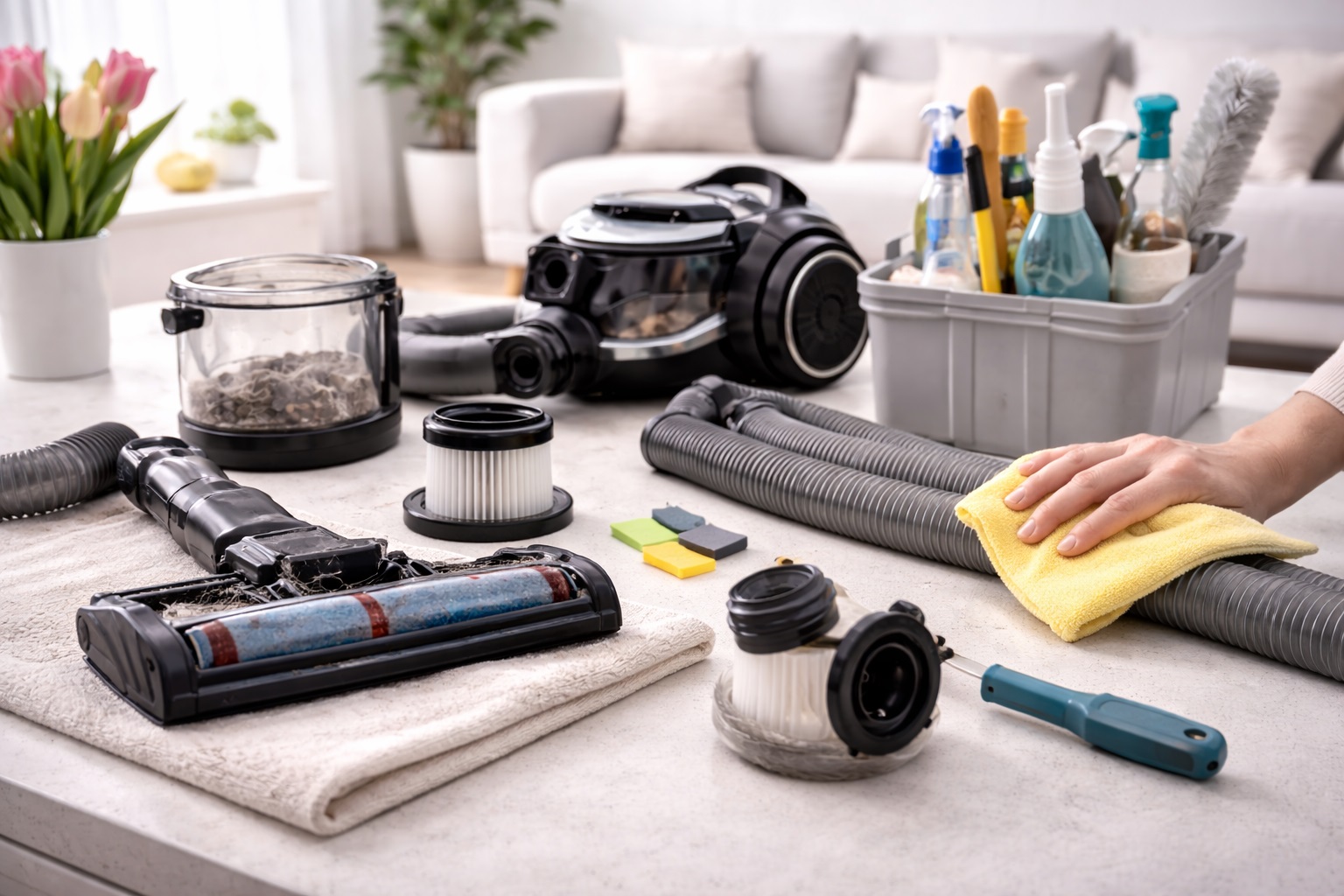
🎯 Target Audience
Homeowners, apartment residents, busy families, and anyone looking to prepare their vacuum cleaner for a seasonal deep clean, ensuring peak performance and longevity.
Introduction: Why Seasonal Deep Cleaning Matters
As seasons change, so do the cleaning needs of your home. Whether it’s the buildup of pet hair during winter, or dust and pollen during spring, each season brings its own cleaning challenges. But one thing remains the same: your vacuum cleaner.
Properly preparing your vacuum for seasonal deep cleaning not only improves performance but extends its lifespan. If your Household Vacuum Cleaners, Upright Vacuum Cleaners, or even HEPA Filter Vacuum Cleaners aren’t ready for the season’s unique demands, you’ll lose efficiency—and spend more time cleaning.
In this guide, we’ll cover how to get your vacuum ready for seasonal deep cleaning, ensuring it’s performing at its best, whether you’re tackling winter pet hair or spring pollen.
🔍 Step 1: Deep Clean Your Vacuum’s Filters
A vacuum with dirty filters is a vacuum that doesn’t work well. Over time, filters can become clogged with dust, allergens, and pet hair. This is especially true for HEPA Filter Vacuum Cleaners, which trap fine particles that are essential for allergy control but can lose efficiency if not maintained.
What to do:
Clean or replace your vacuum’s filters every 1–3 months, depending on the type of filter and frequency of use.
For HEPA filters, soak them in warm water (check manufacturer instructions) or replace them if they’re too clogged to clean effectively.
Cleaning or replacing filters ensures optimal suction power and prevents dust from circulating back into your home.
🧹 Step 2: Clean and Inspect the Brush Roll
The brush roll is one of the most used parts of your vacuum, and it often gets clogged with pet hair, dirt, and debris. This can reduce suction power and cause strain on the motor.
What to do:
Remove pet hair and debris from the brush roll at least once a month.
Check the brush roll for wear—if the bristles are too worn, consider replacing it.
If your vacuum has a Multi-Functional Durable Vacuum Cleaner brush roll, ensure that it’s properly rotating and clear of any obstructions.
Regular brush roll cleaning ensures effective carpet and floor cleaning, and avoids unnecessary motor strain.
⚡ Step 3: Empty and Clean the Dust Canister
A full dust canister reduces airflow and suction power. It can also lead to unpleasant odors if dust and debris are left to sit.
What to do:
Empty the dust canister after every use, and check it for debris that might be stuck to the sides.
Wash the dust canister periodically with warm, soapy water to remove any remaining dust buildup (make sure it’s completely dry before reinserting).
For Upright Vacuum Cleaners, ensure that the dust canister or bag is clean, as a full bag can reduce suction and efficiency.
This routine ensures consistent suction power and reduces the risk of buildup, helping your vacuum operate more efficiently.
🌬️ Step 4: Check the Hoses and Airflow Pathways
Blocked hoses are a major reason why vacuums lose suction. Dirt, hair, and other debris can get stuck inside, preventing proper airflow.
What to do:
Inspect the hoses for blockages and clear any debris inside.
Check the airflow pathways, including the inlet and exhaust, for any clogs or obstructions.
For Energy-Saving Efficient Powerful Vacuum Cleaners, ensuring free airflow is essential to maintain suction without overworking the motor.
This step ensures maximum airflow, which translates into better suction and overall vacuum efficiency.
🔇 Step 5: Inspect the Vacuum Belt and Motor
If your vacuum cleaner has a belt that powers the brush roll, it’s important to check it regularly. A worn or broken belt can prevent the brush from spinning, leading to poor cleaning performance.
What to do:
Inspect the vacuum belt to ensure it’s not cracked, stretched, or slipping.
Check the motor for any unusual sounds or overheating. If your vacuum is overheating, it could be a sign that it needs to be cleaned or repaired.
For vacuums like the Quiet Vacuum Cleaner or Quiet Vacuum for Night Use, make sure there are no blockages or issues that could increase noise levels.
🧴 Step 6: Lubricate Moving Parts and Wheels
A vacuum with moving parts and wheels can accumulate dust and grime, which can wear down the components over time.
What to do:
Lubricate the wheels and moving parts of the vacuum to ensure smooth operation.
For Upright Vacuum Cleaners, check the brush and wheels for any resistance and lubricate them accordingly.
Regular lubrication reduces friction and ensures your vacuum works more smoothly, which can help extend its lifespan.
🌿 Step 7: Test and Reassemble
Once you’ve performed the necessary cleaning and maintenance steps, it’s time to test your vacuum and reassemble it.
What to do:
Power on the vacuum to check for suction power and listen for any strange noises.
Reassemble any parts that were cleaned or replaced, ensuring they are securely attached.
Test your vacuum on a small section of carpet or flooring to ensure it’s working as expected.
❌ Common Mistakes to Avoid
Neglecting the brush roll, which can lead to debris buildup and suction loss.
Waiting too long to replace filters or clean the dust bin.
Overloading the vacuum bag without emptying it, which restricts airflow and reduces suction.
Skipping lubrication of moving parts, causing unnecessary wear on the motor and wheels.
✅ Conclusion
Preparing your vacuum for seasonal deep cleaning ensures that it performs at its best during the busiest cleaning seasons. By following these simple steps for maintenance—like cleaning filters, checking hoses, and inspecting the brush roll—you can keep your Household Vacuum Cleaners, Upright Vacuum Cleaners, and other models in top condition for consistent performance throughout the year.
A little maintenance now can save you time and money in the long run, helping your vacuum last longer and clean better.
📌 Suitable Readers
Homeowners
Apartment residents
Pet owners
Busy families
Anyone looking to prepare their vacuum for seasonal deep cleaning
📌 Hashtags
Household Vacuum Cleaners, Upright Vacuum Cleaners, Multi Functional Durable Vacuum Cleaner, Energy Saving Efficient Powerful Vacuum Cleaner, HEPA Filter Vacuum Cleaner, Quiet Vacuum Cleaner, Quiet Vacuum for Night Use, Vacuum Maintenance Tips, Seasonal Cleaning Tips, Vacuum Cleaner Performance, Home Appliance Care, Vacuum Cleaner Maintenance, Pet Hair Cleaning Solutions, Carpet Cleaning Tips, Deep Cleaning Techniques, Cleaning for Busy Homes, Vacuum Cleaning Guide, HEPA Filter Maintenance, Vacuum Cleaner Troubleshooting, Smart Cleaning Habits, Easy Home Maintenance, Regular Vacuum Care, Filter Cleaning, Suction Power Maintenance, Pet Friendly Vacuum Tips, Vacuuming Routine, Home Hygiene Solutions, Time Saving Cleaning, Efficient Vacuum Use, Smart Home Care, Efficient Floor Care, Home Appliance Maintenance, Household Organization, Cleaning Efficiency, Spring Cleaning Solutions, Vacuum Belt Care, Household Cleaning Guide, Lubricating Vacuum Parts, Dust Control Solutions, Home Care Best Practices, Clean Home Lifestyle, Sustainable Cleaning Tips, Long Lasting Vacuums, Lanxstar