Hi, message us with any questions.
We're happy to help!





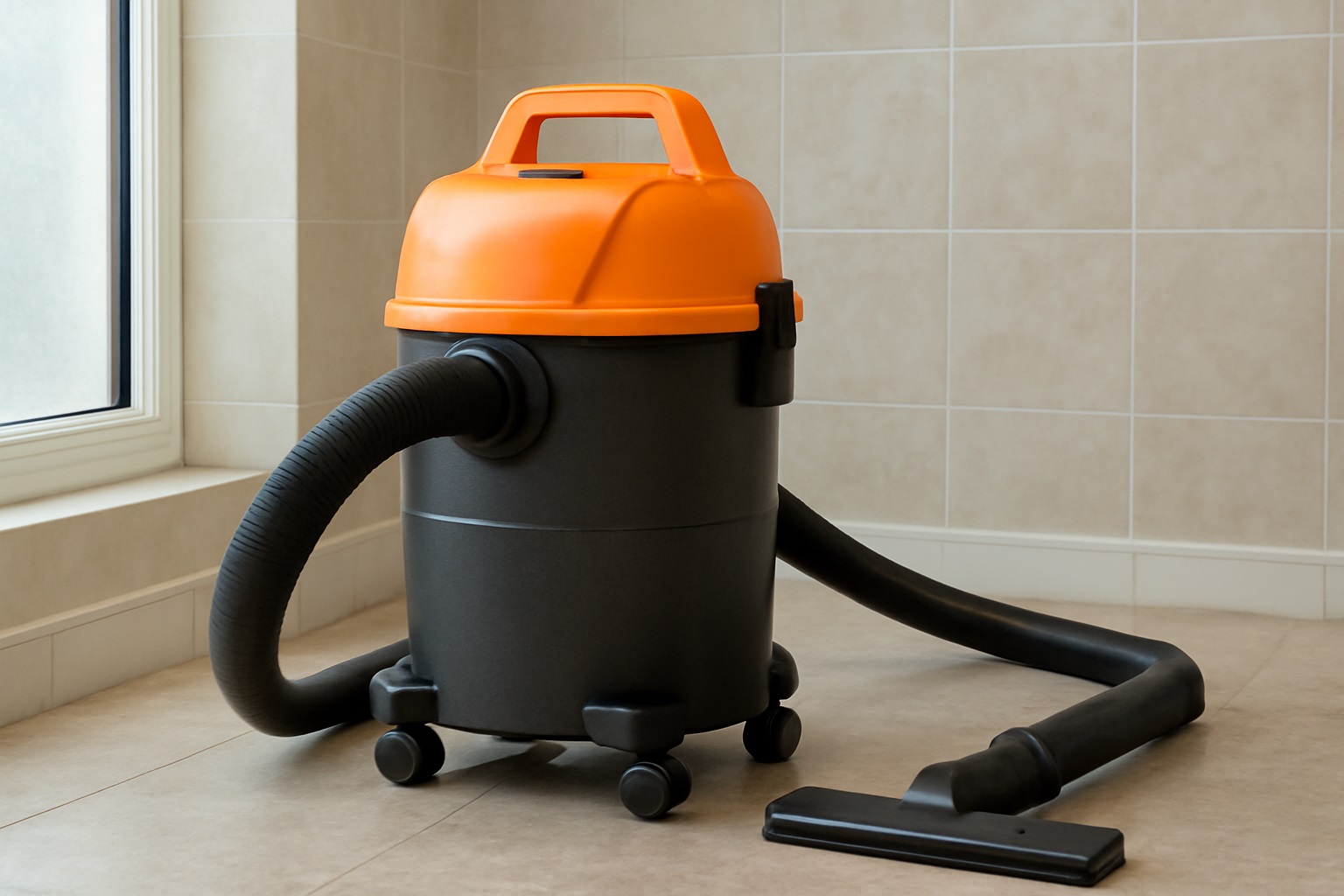
🌡 1. Challenges of High-Temperature and High-Humidity Environments for Vacuum Cleaners
High-temperature and high-humidity environments, such as those found in coastal regions, tropical climates, or spaces like basements, kitchens, and bathrooms, can present unique challenges for cleaning equipment. The combination of heat and moisture can lead to issues like mold growth, unpleasant odors, and the breakdown of vacuum components. As a result, proper maintenance and care of vacuums—especially barrel vacuums—are essential for ensuring optimal performance and extending their lifespan.
In environments with high humidity, mold and mildew thrive, which can contaminate vacuums and spread unpleasant odors. If vacuum cleaners are not properly cared for, moisture trapped in the filters, hoses, and motors can lead to mold development, diminishing air quality and affecting the vacuum’s performance.
🧼 2. Why Barrel Vacuums Are Especially Susceptible to Mold and Odor Issues
Barrel vacuums are often used in large, high-traffic areas like offices, kitchens, or living rooms, where moisture and food debris can accumulate. These vacuums are generally more exposed to environmental factors such as humidity, which can make them prone to mold and odor problems if not maintained properly.
Key Reasons for Mold and Odor Build-Up in Barrel Vacuums:
Moisture Retention: The moisture from cleaning, particularly in wet and dry vacuums, can remain trapped in the vacuum’s canister, hose, or filters if not cleaned and dried properly. This trapped moisture promotes mold and mildew growth.
Food and Organic Debris: In environments like kitchens or dining areas, vacuuming food particles or organic matter can contribute to odors if not cleaned out promptly. These residues provide the perfect breeding ground for bacteria, mold, and other microorganisms.
Poor Airflow: In high-humidity environments, the lack of proper airflow in the vacuum’s motor and hose can exacerbate the problem. When airflow is restricted or blocked, moisture can linger, increasing the risk of mold growth.
🧴 3. Essential Tips for Barrel Vacuum Care in High-Humidity Environments
Proper maintenance and regular care of your barrel vacuum are crucial to prevent mold, mildew, and odors from forming. Here are some important tips to help you keep your vacuum in top condition, especially in high-temperature and high-humidity environments:
Tip 1: Regularly Empty and Clean the Canister
After every use, empty the vacuum's canister to prevent dust, debris, and moisture from sitting inside. If you’ve used the vacuum in a damp or wet environment, make sure to rinse and dry the canister thoroughly before storing it.
Tip 2: Dry the Vacuum Thoroughly
Moisture from cleaning can remain inside the vacuum, especially in wet and dry vacuum cleaners. After each use, open the vacuum and allow it to dry out completely. You can leave the canister and hose upside down to ensure any trapped water is drained out.
In humid climates, place the vacuum in a dry area with good ventilation after use to help evaporate any residual moisture. If possible, use a drying rack or hang the hose in an open space to allow air circulation.
Tip 3: Use Anti-Mold or Anti-Odor Solutions
Anti-mold sprays or odor-eliminating solutions can be sprayed into the vacuum’s canister, hose, and filter compartment to prevent the build-up of mold, mildew, and odors. Choose sprays that are safe for vacuum components.
You can also place silica gel packets or moisture-absorbing bags inside the vacuum's compartment to help absorb excess moisture and prevent mold growth.
Tip 4: Clean and Replace Filters Regularly
HEPA filters and other types of vacuum filters trap moisture and dirt, and over time, these can harbor mold and bacteria if not properly cleaned or replaced. Follow the manufacturer’s instructions to clean or replace filters regularly to ensure your vacuum runs efficiently and safely.
In wet and dry vacuums, make sure that the filters are thoroughly dried after each use to prevent mold growth inside the filter and motor components.
Tip 5: Store the Vacuum Properly
Always store your barrel vacuum in a dry, well-ventilated area. Avoid storing it in high-humidity rooms like bathrooms or basements unless the vacuum is specifically designed for such environments. Storing the vacuum in a warm, dry area helps prevent moisture accumulation.
If possible, store the vacuum off the ground (e.g., on a shelf) to prevent exposure to moisture on the floor, especially in areas where condensation can build up.
🏠 4. Choosing the Right Vacuum for High-Humidity Environments
When selecting a barrel vacuum for environments prone to humidity and temperature fluctuations, it’s important to choose a vacuum designed to handle moisture and maintain durability. Here are some vacuum types that perform well in high-humidity areas:
Wet and Dry Vacuum Cleaners
Wet and dry vacuums are ideal for environments where moisture is common, such as kitchens or bathrooms. These vacuums are designed to handle liquid spills and damp debris while offering the flexibility to clean dry dirt as well.
Tip for Wet and Dry Vacuums: Always ensure that the wet-dry vacuum’s filter is properly maintained and cleaned after each use. Moisture can build up in the filter compartment, leading to mold growth and odor problems if left unattended.
Cordless Vacuum Cleaners
Cordless vacuum cleaners are a convenient option for cleaning small spaces in high-humidity environments. These vacuums tend to have smaller dust canisters, reducing the amount of debris and moisture that can accumulate.
Tip for Cordless Vacuums: Cordless vacuums are often more portable, but they should be stored in a dry, ventilated area to ensure they remain mold-free.
High-Suction Vacuum Cleaners
High-suction vacuum cleaners are essential in environments where dirt and moisture are prevalent. Their powerful suction helps pull up debris, dust, and moisture from carpets and floors efficiently.
Tip for High-Suction Vacuums: Ensure that the vacuum’s motor is well-maintained and that moisture does not linger in the canister after cleaning.
Apartment Vacuum Cleaners
Compact apartment vacuum cleaners are great for high-humidity environments in smaller spaces. Their lightweight design allows for easy maneuvering and quick cleaning, especially in tight corners and hard-to-reach areas.
Tip for Apartment Vacuums: Due to the smaller dustbin, these vacuums should be emptied frequently to prevent mold and odor build-up.
5. Preventing Mold and Odors: The Role of Regular Maintenance
Consistent maintenance and proper care are the best ways to prevent mold and odors in barrel vacuums, especially in high-temperature and high-humidity environments. By following these tips and selecting the right vacuum for your needs, you can extend the life of your equipment, maintain healthy indoor air quality, and keep your vacuum working efficiently.
Hashtags:
UprightVacuumCleaners, HouseholdVacuumCleaners, CordlessVacuumCleaner, FastLightweightVacuumCleaner, WetAndDryVacuumCleaner, ApartmentVacuumCleaner, HighSuctionVacuumCleaner, VacuumCareTips, MoldPreventionVacuum, OdorRemovalVacuum, HighHumidityVacuum, VacuumFilterMaintenance, VacuumStorageTips, VacuumForHighTemperature, WetDryVacuumCare, VacuumForMoistureControl, AntiMoldVacuum, VacuumForPetHair, VacuumMaintenance, CleaningInHighHumidity, VacuumFilterCleaning, DustAndMoldPreventionVacuum, VacuumForCleanAir.



