Hi, message us with any questions.
We're happy to help!





Tennant, Kärcher, and Nilfisk offer top models for industrial use.
OEM wet-dry vacuums provide tailored solutions for specific factory needs.
Future trends include smart technology and energy-efficient vacuums for improved cleaning efficiency.A2
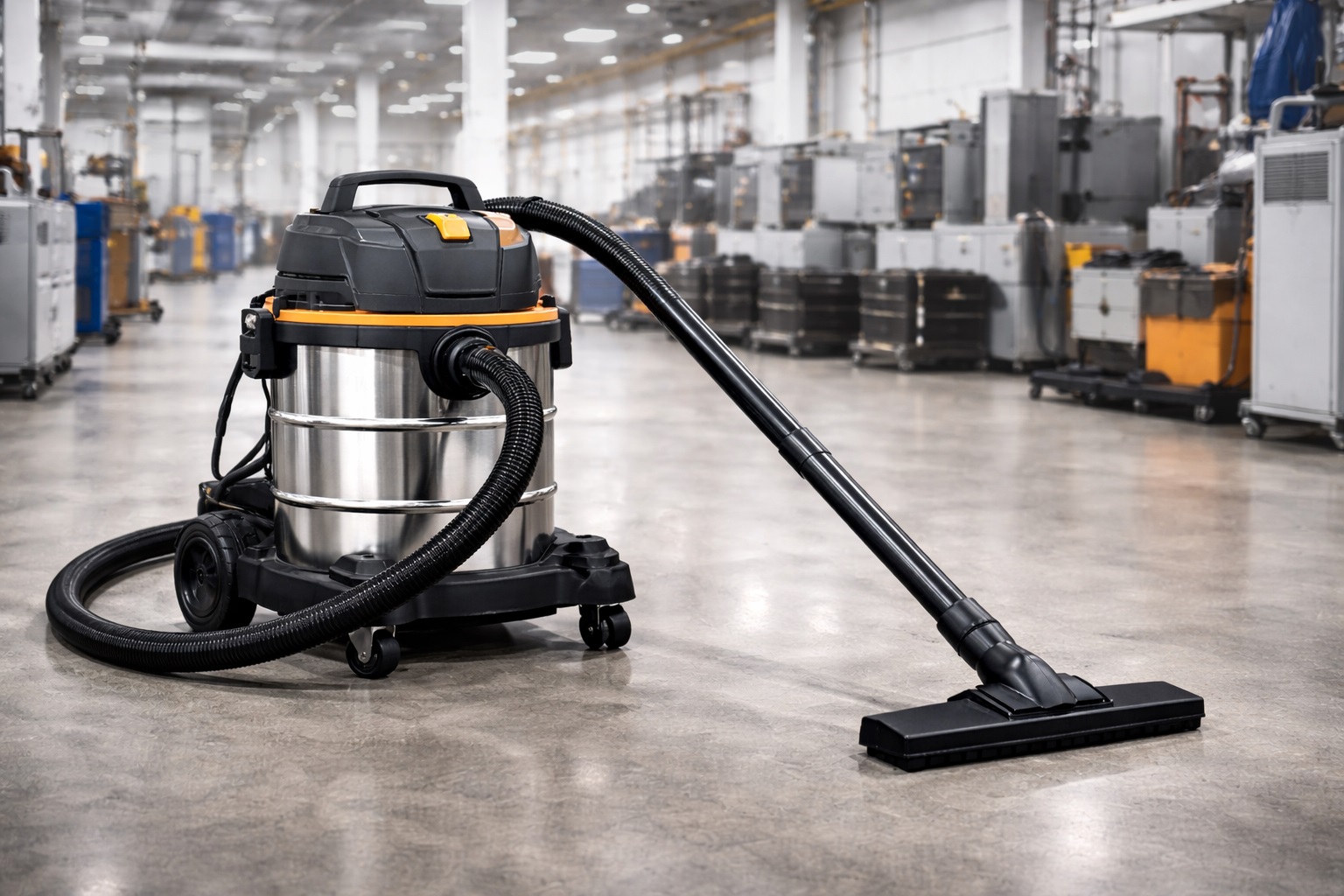
Introduction: The Importance of Choosing the Right Industrial Wet Dry Vacuum
In 2026, factories are increasingly relying on wet-dry vacuums to maintain clean, safe, and efficient work environments. These versatile vacuums are designed to handle both wet and dry waste, making them essential for a variety of industrial settings. Whether you’re in manufacturing, construction, or another heavy-duty industry, the right industrial wet-dry vacuum is crucial to ensure that your factory operates smoothly and stays compliant with health and safety standards.
According to a Market Research Future report, the global industrial vacuum cleaner market is expected to grow at a CAGR of 6.5% from 2022 to 2028, with a significant portion of that growth attributed to wet-dry vacuum technology. This article will help you understand how to choose the right industrial wet-dry vacuum for your factory in 2026, including key considerations, a wet-dry vs regular vacuum comparison, and recommendations for top OEM wet-dry vacuum suppliers.
🧳 Key Considerations for Choosing the Right Industrial Wet-Dry Vacuum
When selecting an industrial wet-dry vacuum for your factory, it's important to consider several key factors:
Suction Power: High suction power is necessary to handle both solid debris and liquid waste in large volumes. Look for vacuums with high CFM (cubic feet per minute) and inches of water lift for optimal performance.
Tank Capacity: Larger tanks allow for longer cleaning sessions without frequent interruptions for emptying. Consider vacuums with large capacity tanks (e.g., 30-55 gallons) for factories with heavy debris loads.
Durability and Construction: Look for vacuums made with heavy-duty materials that can withstand the wear and tear of factory environments. Ensure the vacuum is resistant to impacts, corrosion, and other industrial elements.
Filtration System: A good filtration system, such as a HEPA filter, is critical for capturing fine dust particles and preventing air contamination. This is especially important in factories dealing with hazardous materials or fine dust.
Mobility and Attachments: Consider vacuums with flexible hoses and specialized attachments that can easily reach tight spots or clean large open areas. These features are particularly useful for factory settings with complex layouts.
🌐 Wet Dry vs Regular Vacuum: Why Wet Dry Vacuums Are Better for Factories
When comparing wet-dry vacuums to regular vacuums, wet-dry models offer significant advantages in factory environments. Regular vacuums are only effective for dry debris, which means they can’t handle spills, oils, or liquid waste that are common in industrial settings.
Key Benefits of Wet-Dry Vacuums:
Versatility: Wet-dry vacuums can clean up liquids, grease, oils, and dry debris, making them ideal for the diverse cleaning needs of a factory.
Efficiency: Using one vacuum for both wet and dry waste saves time and reduces the need for multiple cleaning devices.
Durability: Wet-dry vacuums are built to withstand harsh conditions, including handling large debris, heavy-duty tasks, and liquid spills.
🌟 Top Features of Industrial Wet-Dry Vacuums for Factory Cleaning
Here are the top features to look for when choosing an industrial wet-dry vacuum:
High-Capacity Tank: Large tanks (e.g., 30-55 gallons) are necessary to handle large amounts of waste without frequent interruptions for emptying.
Sturdy Construction: Look for vacuums with reinforced casters, high-strength bodies, and impact-resistant materials that can withstand factory environments.
Superior Filtration System: If your factory deals with fine dust (e.g., metal shavings, sawdust), invest in vacuums with HEPA filtration systems to ensure air quality.
Noise Level: While most industrial vacuums are loud, some models offer quieter operation without sacrificing suction power. This feature is especially important if the vacuum is used near workers or in customer-facing areas.
🌍 Leading Wet-Dry Vacuum Manufacturers and Suppliers for Industrial Use
When choosing an OEM wet-dry vacuum supplier for your factory, it's important to select a reputable manufacturer that provides durable and customizable options. Leading wet-dry vacuum manufacturers include Tennant, Kärcher, Nilfisk, and Shop-Vac. These brands offer vacuums that can be customized to meet the specific needs of factory cleaning.
OEM Wet-Dry Vacuum Solutions for Custom Needs
Working with an OEM wet-dry vacuum supplier can provide customized solutions tailored to your factory’s cleaning requirements. You can specify the size of the tank, filtration system, and even specialized attachments for unique cleaning tasks.
Example: Tennant V-WD24 Wet-Dry Vacuum
The Tennant V-WD24 is a popular OEM wet-dry vacuum for industrial applications. It features a 24-gallon tank, high suction power, and a durable filtration system, making it ideal for large-scale factory cleaning. Tennant also offers custom options to meet specific factory needs.
Example: Kärcher NT 50/1 Tact
The Kärcher NT 50/1 Tact is designed for industrial use, offering a 50-liter tank and automatic filter cleaning system. This vacuum is perfect for factories with heavy debris and liquid waste.
🧴 Top Wet-Dry Vacuums for Factory Cleaning in 2026
Here are some of the best wet-dry vacuums for industrial and factory cleaning in 2026:
Tennant V-WD24
Best For: Large factory spaces and high-volume waste.
Features: 24-gallon tank, strong suction power, heavy-duty filtration system.
Why: Ideal for high-volume cleaning with minimal downtime.
Kärcher NT 50/1 Tact
Best For: Factories dealing with heavy debris and liquid waste.
Features: 50-liter tank, automatic filter cleaning, durable motor.
Why: Ideal for tough industrial environments with continuous cleaning needs.
Nilfisk Attix 30
Best For: Smaller factories or workshops.
Features: 30-liter capacity, strong suction, and compact design.
Why: Versatile and efficient for cleaning small to medium factory areas.
🚀 Future Trends in Industrial Wet-Dry Vacuums
As the industry continues to evolve, industrial wet-dry vacuums are becoming smarter and more efficient. In 2026, you can expect to see the following trends:
Smart Vacuum Systems: Many industrial vacuums will incorporate IoT technology, allowing real-time monitoring and performance tracking. These systems can help factory managers track cleaning progress and schedule maintenance.
Energy Efficiency: With rising energy costs and environmental concerns, manufacturers are designing energy-efficient vacuums that reduce power consumption while maintaining strong suction power.
Automation: In larger factories, robotic wet-dry vacuums may be introduced to automate cleaning tasks, improving productivity and reducing labor costs.
🚧 Challenges in Selecting and Operating Wet-Dry Vacuums for Factory Cleaning
While wet-dry vacuums offer excellent versatility, commercial cleaning services often face challenges in selecting the right vacuum for their needs. Some of these challenges include:
High Initial Investment: High-quality industrial wet-dry vacuums can be expensive, making it crucial for businesses to choose models that will provide long-term ROI.
Maintenance and Durability: Regular maintenance is necessary to ensure that vacuums perform optimally, especially in environments with heavy debris. Choose models that are easy to clean and have durable parts that can withstand constant use.
Power Source: For large facilities, ensuring that vacuums can operate for extended periods without downtime is essential. Some models may require battery charging or frequent filter changes, which can reduce cleaning efficiency if not properly managed.
Solution: Opting for OEM solutions and working with reliable manufacturers allows for customized features that help mitigate some of these challenges, such as larger tanks, longer battery life, or enhanced durability.
Conclusion: Choosing the Right Industrial Wet-Dry Vacuum for Your Factory
Choosing the right industrial wet-dry vacuum for your factory in 2026 requires evaluating several key factors, including suction power, tank capacity, durability, and filtration. Working with a reliable wet-dry vacuum manufacturer or OEM supplier allows you to get a customized vacuum that meets your specific needs, whether it's for heavy-duty cleaning, liquid waste management, or dust control.
By considering these factors and investing in the right vacuum for your factory, you’ll ensure a cleaner, safer, and more efficient workplace.
Hashtags:
wet dry vacuum manufacturer, wet dry vacuum supplier, OEM wet dry vacuum, factory cleaning vacuum, industrial vacuum OEM, wet dry vs regular vacuum, wet dry vacuums, industrial cleaning vacuums, vacuum for factory cleaning, wet dry vacuum technology, sustainable vacuum solutions, smart vacuum systems, eco-friendly vacuums, vacuum cleaner manufacturers, factory cleaning solutions, vacuum product development, high suction power vacuums.



