Hi, message us with any questions.
We're happy to help!





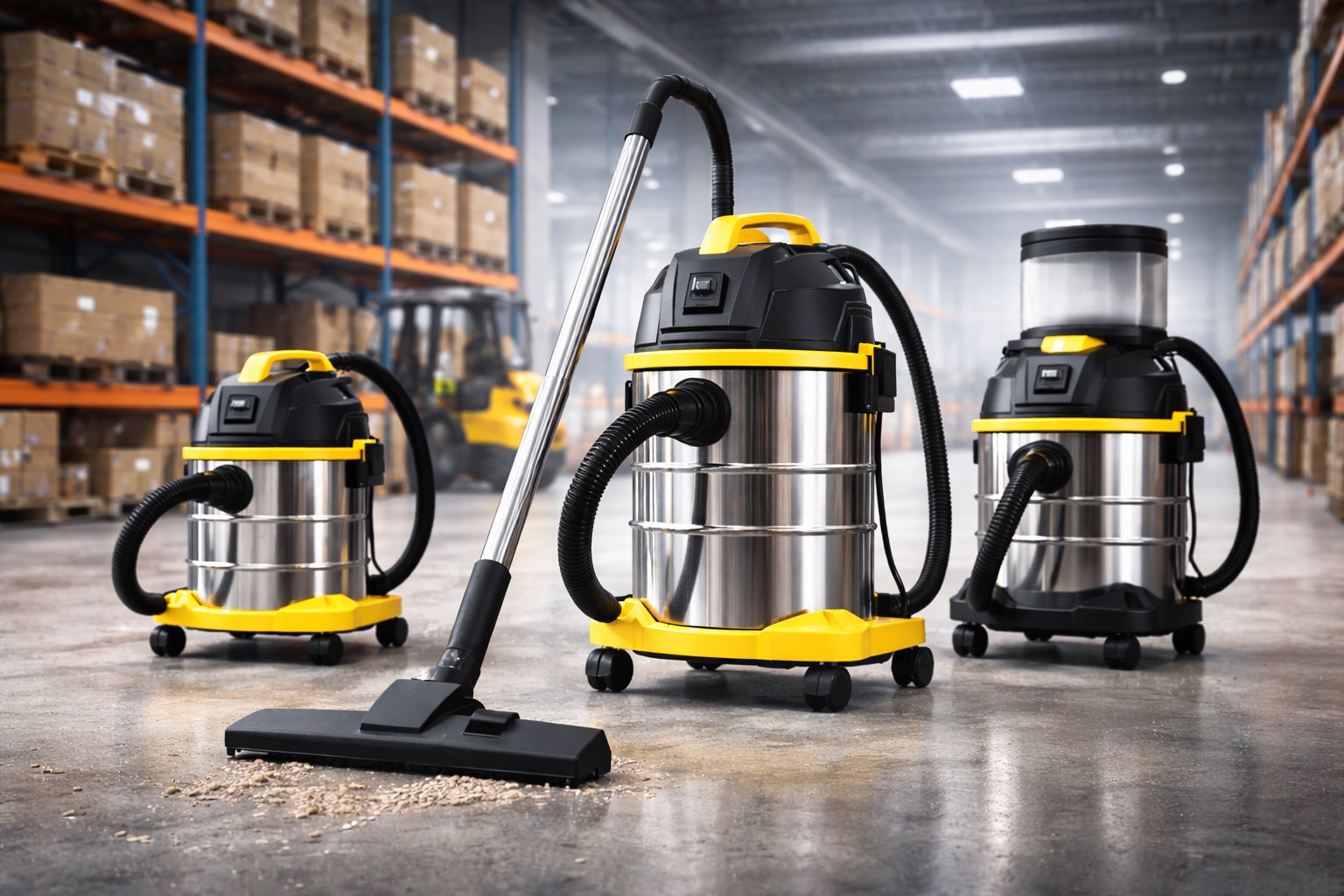
As industries continue to grow and evolve, the industrial vacuum market is adapting to new challenges, technological innovations, and increasing demand for efficiency and sustainability. The vacuum cleaner industry trends in 2026 show significant growth, driven by advancements in technology, automation, and eco-friendly solutions. In this article, we will explore the key trends, emerging innovations, and market forecasts for 2026, helping you understand how the industrial vacuum market is evolving and how businesses can prepare for the future.
1. 🌍 The Growing Demand for Industrial Vacuum Cleaners
The demand for industrial vacuum cleaners continues to grow, fueled by several factors:
Stringent Cleaning Standards: As industries like manufacturing, pharmaceuticals, and food processing face stricter cleanliness regulations, the need for high-efficiency vacuum systems has risen.
Workplace Safety and Environmental Regulations: Compliance with health and safety regulations regarding dust and particulate management is pushing industries to invest in industrial vacuums.
Technological Advancements: The rise of automated and smart vacuum systems is making it easier for industries to keep their workspaces clean without sacrificing time or efficiency.
Key Drivers of Market Growth:
Focus on Worker Safety: The introduction of vacuums with advanced HEPA filtration systems, capable of trapping even the finest dust particles, is helping businesses meet safety standards.
Demand for Eco-Friendly Solutions: Increased consumer and regulatory demand for sustainable solutions is pushing manufacturers to design energy-efficient vacuums with eco-friendly materials and reduced carbon footprints.

Image: Global industrial vacuum market growth projection (2021-2026)
2. 💡 Emerging Trends in the Industrial Vacuum Market
Looking ahead to 2026, several major trends will shape the vacuum cleaner industry:
A. Smart and Connected Vacuum Cleaners
The Internet of Things (IoT) is transforming industrial vacuums into smart devices. Connected vacuums can now transmit real-time data, track maintenance schedules, and even offer performance analytics.
Examples of Smart Features:
Remote Monitoring: Businesses can monitor the vacuum's health and track performance metrics like suction power, filter efficiency, and maintenance schedules through mobile apps or cloud-based platforms.
Automated Adjustments: Smart vacuums can adjust suction power based on the type of debris or floor surface, ensuring optimal performance without human intervention.
B. Sustainable Design and Energy Efficiency
With increasing pressure to meet sustainability goals, the industry is moving toward more energy-efficient and environmentally friendly vacuums.
Key Features:
Energy-Efficient Motors: Modern vacuums consume less power while maintaining high suction capacity.
Recyclable Materials: Manufacturers are increasingly using recyclable and eco-friendly materials in the construction of vacuum cleaners.
C. Growth of Automation in Cleaning
The demand for automated vacuum systems is growing, especially in industries requiring constant cleaning, like food production, healthcare, and automotive.
Automated systems can:
Operate 24/7: These vacuums provide continuous cleaning without requiring a dedicated workforce, making them ideal for industries with stringent cleanliness requirements.
Reduce Labor Costs: Automated vacuums reduce the need for manual labor, improving productivity and reducing operational costs.
3. 📈 Market Growth and Projections for 2026
The industrial vacuum market is projected to experience significant growth through 2026. According to research from MarketsandMarkets, the market is expected to grow at a CAGR of 6.2% over the next five years, driven by technological advancements, a shift toward automation, and a focus on sustainability.
Growth Forecast:
Asia-Pacific is expected to experience the highest growth, driven by rapid industrialization in countries like China and India.
North America will continue to lead in high-tech vacuum innovations, with a focus on automation and smart vacuum systems.

Image: Projected regional growth in the industrial vacuum market (2021-2026)
4. 🔄 Innovations in Industrial Vacuum Cleaners
The vacuum cleaner industry is witnessing several key innovations that will reshape the landscape by 2026:
A. Advanced Filtration Systems
As industries face increasing pressure to control hazardous dust, advanced filtration systems are becoming more critical. HEPA filters will continue to dominate, but new technologies like ultra-fine filtration systems will emerge to capture even smaller particles, improving air quality and workplace safety.
B. Robotic Vacuum Cleaners
Robotic vacuums are gaining traction in industries where continuous cleaning is required. These autonomous vacuums can clean large areas with minimal human oversight, offering unparalleled efficiency.
Key Benefits:
Hands-Free Operation: Once programmed, robotic vacuums can operate autonomously, reducing the need for manual intervention.
Versatility: They can be used in both commercial and industrial environments, particularly in areas that require ongoing dust and debris removal.
C. Voice-Activated and AI-Driven Systems
Voice-activated and AI-driven vacuums will become more common in industrial settings, allowing operators to control and schedule cleaning tasks via voice commands or through AI-based automation platforms.
5. 🏅 Regional Differences in the Industrial Vacuum Market
The vacuum market trends in 2026 will vary significantly across regions:
A. Asia-Pacific:
Growth in Industrialization: As more countries in Asia-Pacific continue to industrialize, the demand for industrial vacuum cleaners will rise. China remains the dominant vacuum supplier globally, but countries like India and Vietnam will also see growing market demand.
Manufacturing Shifts: China remains the leading vacuum factory in China, but other regions are beginning to invest more in vacuum production.
B. Europe:
Focus on Sustainability: European countries are heavily focused on sustainable solutions, and we expect eco-friendly vacuum designs to be in high demand by 2026.
Regulations: Europe’s strict environmental and safety regulations will drive the demand for advanced industrial vacuum systems with superior filtration and energy efficiency.
C. North America:
Technology Adoption: North America will continue to lead the way in adopting new vacuum technologies, such as smart vacuums, AI-driven cleaning, and robotic vacuums.
Increased Automation: The shift towards automation in industries like automotive manufacturing and food processing will increase demand for continuous, automated vacuum systems.
6. 📊 Market Forecast and Future Outlook
The industrial vacuum market is poised for steady growth in the coming years. Here’s what businesses can expect by 2026:
Sustainability: More businesses will demand eco-friendly and energy-efficient vacuum cleaners to meet sustainability goals.
Automation: Automated and robotic vacuums will become a staple in industries where continuous cleaning is critical.
Technological Advancements: The integration of IoT, AI, and smart vacuums will drive the evolution of cleaning solutions in industrial spaces.
Conclusion
The industrial vacuum market is on the cusp of significant transformation in 2026. As industries continue to adopt smart technology, sustainability initiatives, and automation, the demand for advanced vacuum systems will rise. For businesses looking to stay ahead, embracing these innovations and understanding regional dynamics will be crucial. Whether you are sourcing from wet dry vacuum manufacturers or looking for OEM wet dry vacuum solutions, staying informed about the trends will help you make strategic decisions for growth and sustainability.
Hashtags
WetDryVacuumManufacturer, WetDryVacuumSupplier, OEMWetDryVacuum, IndustrialVacuumMarket, CleaningEquipmentMarket, VacuumCleanerIndustryTrends, IndustrialVacuumCleanerTrends, CommercialVacuumCleanerMarket, VacuumCleanerMarket2026, IndustrialVacuumGrowth, SmartVacuumTechnology, VacuumManufacturingTrends, SustainableVacuumSolutions, RoboticVacuumInnovation, HEPAFiltrationVacuum, IndustrialVacuumForecast, AutomatedVacuumCleaning, VacuumAutomationTrends



