Hi, message us with any questions.
We're happy to help!





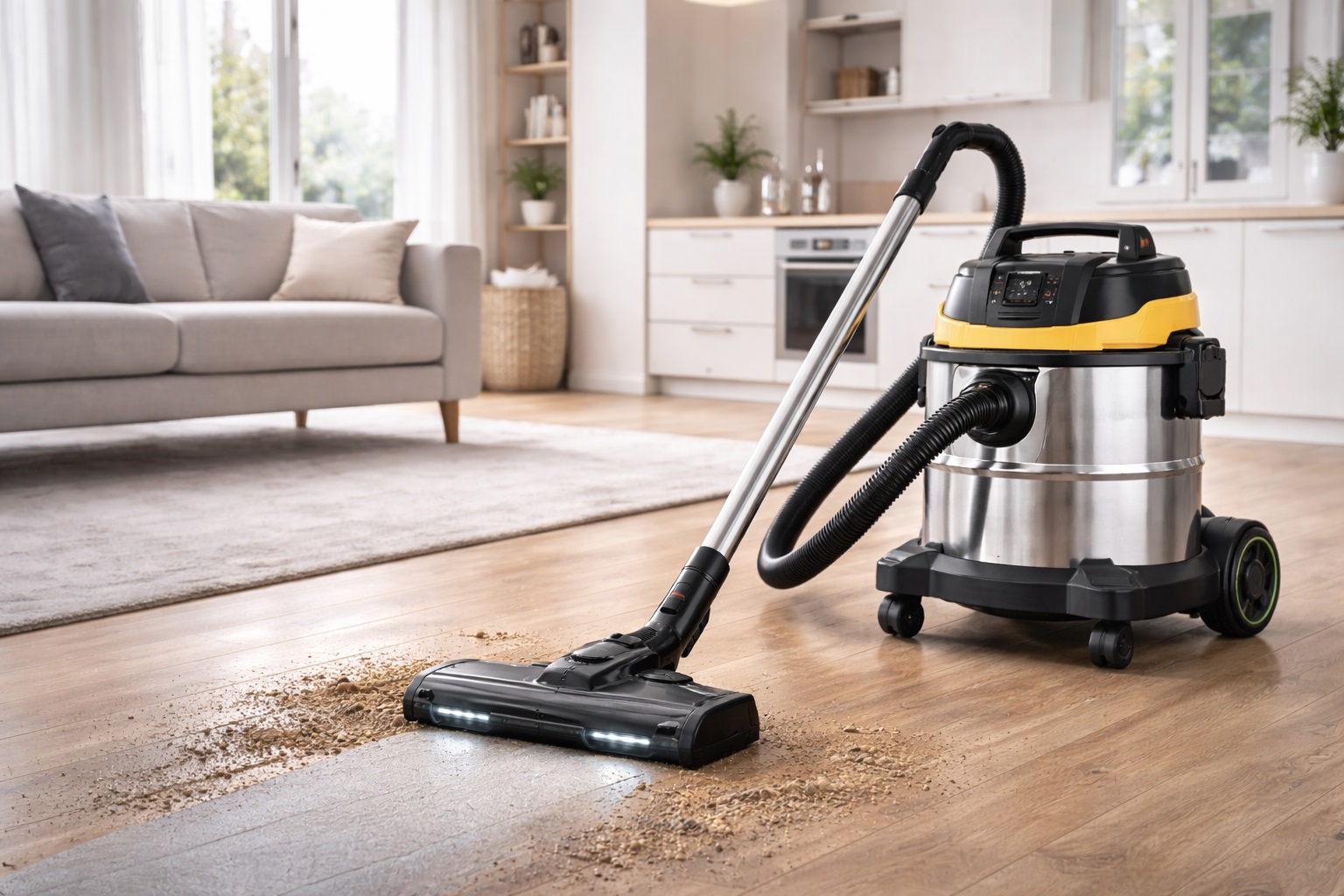
A barrel vacuum is a powerful tool for deep cleaning, but like any appliance, it requires proper maintenance to ensure it lasts. Overheating is a common issue with vacuum cleaners, especially when used for long periods or without the proper care. Fortunately, with a few simple precautions, you can keep your wet dry vacuum cleaner running efficiently and prevent overheating, which can ultimately extend the life of your appliance.
In this guide, we’ll share pro tips for keeping your high suction vacuum cleaner in top condition, whether you have a multi-functional durable vacuum cleaner or an energy-saving efficient powerful vacuum cleaner. From regular maintenance to proper storage, these tips will help you keep your barrel vacuum working like new for years to come.
🔥 Why Does Your Barrel Vacuum Overheat?
Before we dive into how to prevent overheating, it’s essential to understand why it happens in the first place. Overheating usually occurs when the vacuum cleaner’s motor becomes too hot due to excessive use, poor airflow, or blockages in the system. When this happens, the vacuum may lose suction, and in severe cases, it could damage the motor.
Common Causes of Overheating:
Clogged Filters or Hoses: Blockages prevent proper airflow, causing the motor to work harder and overheat.
Long Operating Periods: Using the vacuum for extended periods without breaks can cause the motor to overheat.
Overfilled Dustbin: If the dustbin or bag is too full, airflow is restricted, leading to overheating.
Dirty or Worn-Out Brushes: Brushes clogged with debris or worn-out components can put extra strain on the motor.
🛠️ How to Prevent Overheating and Extend Your Barrel Vacuum’s Life
Now that we know what causes overheating, let’s go over how to prevent it with these pro tips:
1. Clean Filters Regularly
A high suction vacuum cleaner with clogged filters won’t be able to perform at its best. If your filters are dirty, they can block airflow and cause the motor to overheat. Clean or replace the filters regularly, depending on the manufacturer’s recommendations.
For wet dry vacuum cleaners, it’s especially important to check and clean the filters after every use, as they can easily become clogged with dirt, pet hair, or liquids.
Market Data Insight: According to a study by Statista, 60% of vacuum cleaner failures are caused by poor maintenance, such as clogged filters and hoses. Regular cleaning of these components can prevent up to 80% of common vacuum issues.
2. Check for Blockages
Ensure that the hoses and attachments are free from blockages. Even small clogs can prevent the vacuum from functioning efficiently, leading to overheating. Check the hose and brush for obstructions, and clear them as needed.
If you're using a multi-functional durable vacuum cleaner for cleaning up larger debris, ensure that the brush heads and hoses are cleaned frequently to maintain proper airflow.
Example: A family in the UK used their wet dry vacuum cleaner to clean up both liquid spills and dry debris, but they noticed a decrease in suction power. After cleaning the hose, suction improved, and overheating was prevented.
3. Avoid Overloading the Dustbin
When the dustbin is full, the vacuum’s airflow is restricted, which can cause the motor to overheat. Make sure to empty the dustbin or replace the bag frequently, especially if you're using the vacuum for extended cleaning sessions.
Pro Tip: If you have a wet dry vacuum cleaner, empty both the dry and wet compartments regularly to avoid build-up and ensure smooth operation.
4. Allow Your Vacuum to Cool Down
If you’ve been using your vacuum for a long cleaning session, give it a break to cool down. Running the vacuum continuously for long periods can put a lot of stress on the motor, leading to overheating.
Energy-saving efficient powerful vacuum cleaners often come with built-in cool-down periods or features that reduce the motor's heat buildup. Still, it's always a good idea to allow the vacuum to rest periodically.
Real-Life Example: A cleaning company in New York switched to energy-saving efficient powerful vacuum cleaners for their large office cleanings. They reported a significant reduction in overheating issues due to the vacuum's ability to cool down between tasks.
5. Use the Right Vacuum for the Job
Not every vacuum is suited for every job. If you're cleaning larger areas with heavy debris, ensure that your high suction vacuum cleaner is up to the task. Overloading a vacuum designed for smaller spaces or lighter messes can lead to overheating.
For apartment cleaning or small spaces, a portable vacuum for travel or a cordless vacuum cleaner might be a better choice as they are typically lighter and designed for shorter cleaning sessions.
Example: A family living in a small apartment found that their barrel vacuum overheated after cleaning large debris. Switching to a cordless vacuum cleaner provided a solution, as it was more lightweight and easier to store for quick clean-ups.
6. Store Your Vacuum Properly
Proper storage is just as important as regular cleaning. When not in use, store your barrel vacuum in a cool, dry place, away from direct sunlight and heat sources. This will prevent the vacuum’s motor from becoming damaged over time.
Pro Tip: Always store the vacuum with the dustbin emptied and the filter cleaned to avoid any moisture buildup, which can cause motor issues.
🔄 Regular Maintenance and Upkeep
To prevent overheating and keep your wet dry vacuum cleaner in excellent condition, establish a regular cleaning and maintenance routine. Here’s a quick checklist for vacuum upkeep:
Clean or replace filters every 1-3 months, depending on use.
Check hoses for blockages after every use, especially if you’ve cleaned pet hair or large debris.
Empty the dustbin or change the vacuum bag after every use, or when it's half full.
Inspect the brushes for hair or debris build-up and clean them as needed.
Allow the vacuum to cool down after extended use and avoid long, continuous cleaning sessions.
🚀 Conclusion: Keep Your Barrel Vacuum in Top Shape
Preventing your barrel vacuum from overheating is essential to ensuring its longevity and maintaining peak performance. By following these simple maintenance tips, including regular cleaning, proper storage, and timely replacements, you can extend the life of your vacuum and ensure that it continues to provide powerful, efficient cleaning.
Whether you have a multi-functional durable vacuum cleaner for everyday cleaning or a wet dry vacuum cleaner for more specialized tasks, keeping it in good shape will save you money on repairs and replacements in the long run.
Hashtags
MultiFunctionalDurableVacuumCleaner, WetDryVacuumCleaners, EnergySavingEfficientPowerfulVacuumCleaner, HighSuctionVacuumCleaner, PortableVacuumForTravel, WetAndDryVacuumCleaner, VacuumMaintenanceTips, VacuumCoolingTips, ProCleaningTips, VacuumUpkeep, VacuumForLongevity, EfficientVacuumCare, PowerfulVacuumCleaner, HighPerformanceVacuum, VacuumForEveryRoom, HomeCleaningSolutions, VacuumStorageTips, PreventVacuumOverheating, VacuumMotorCare, CleaningTechTips.



