Hi, message us with any questions.
We're happy to help!





🎯 Target Audience
Homeowners, pet owners, apartment residents, car owners, and anyone using a vacuum cleaner who wants to maximize suction power for more efficient cleaning.
Introduction: Why Suction Power Matters
A vacuum’s suction power is the most important factor in determining how well it can clean your floors, carpets, and other surfaces. If your vacuum’s suction starts to decrease, it can leave dirt, dust, and pet hair behind, making your cleaning tasks more difficult and time-consuming.
Maximizing your vacuum’s suction is key to improving cleaning performance. Whether you own an Upright Vacuum Cleaner, Household Vacuum Cleaner, Cordless Vacuum Cleaner, or Vacuum Cleaner for Pet Hair, there are several steps you can take to boost suction power and get better results.
In this guide, we’ll show you how to maximize your vacuum’s suction to ensure it performs at its best, keeping your home cleaner and fresher for longer.
🧠 Step 1: Clean or Replace the Filters
One of the easiest ways to boost suction power is by cleaning or replacing the vacuum’s filters. When filters become clogged with dust, dirt, or pet hair, they can reduce airflow and suction.
What to Do:
Clean or replace filters every 1-3 months, depending on the manufacturer’s recommendations. For HEPA Filter Vacuum Cleaners, make sure to follow cleaning guidelines carefully.
If your vacuum has carbon filters or other specific filters, replace them as needed.
Wash reusable filters with warm water (and let them dry completely) to remove trapped dirt and dust.
Regular filter maintenance ensures optimal airflow, which directly impacts suction.
🧹 Step 2: Empty the Dust Bin or Replace the Bag
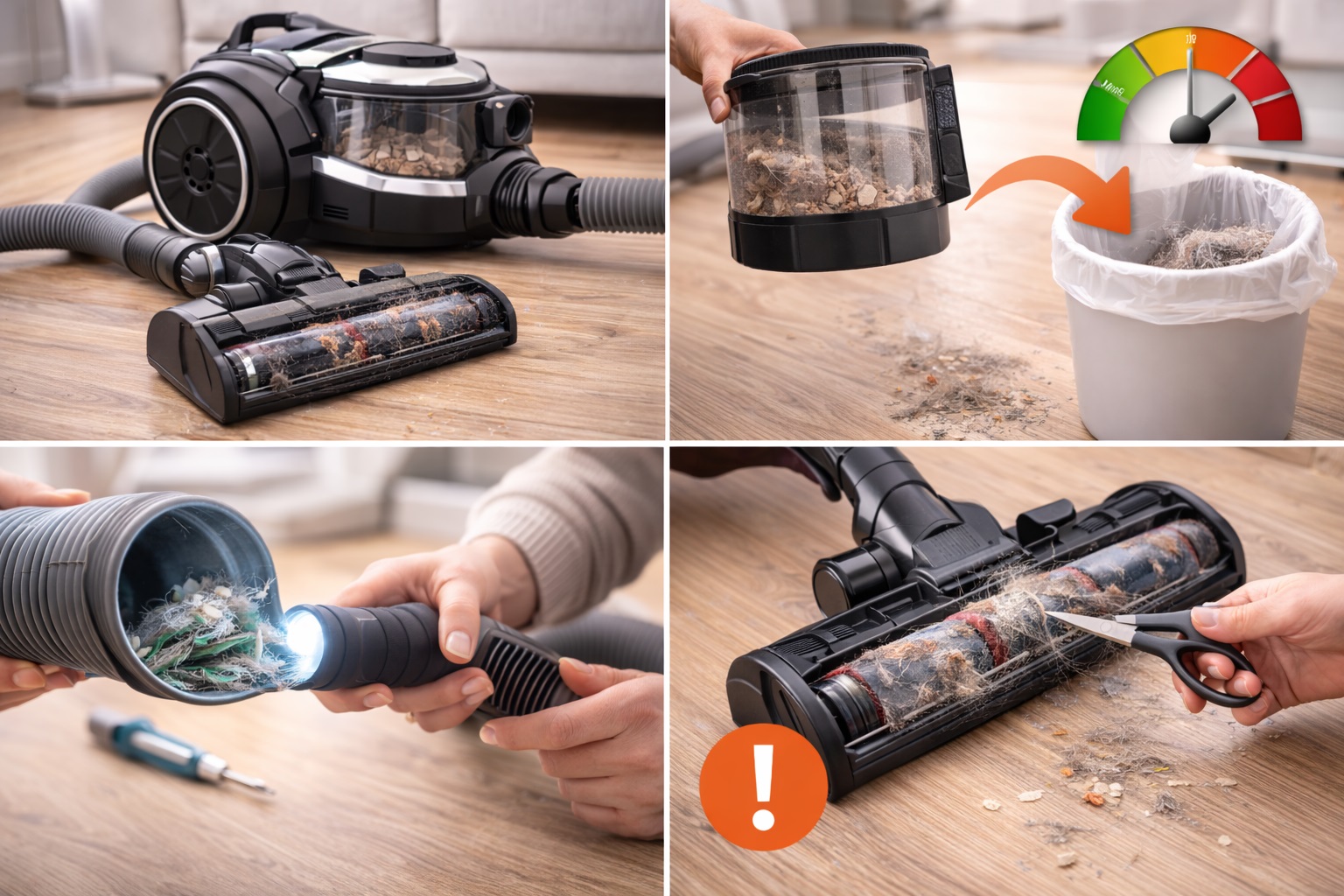
A full dust bin or vacuum bag can reduce suction by blocking airflow. If your vacuum has a dust canister, it’s important to empty it regularly to maintain suction power.
What to Do:
Empty the dust bin after every use, especially when it’s about 2/3 full. For Upright Vacuum Cleaners or Large-Capacity Wet Dry Vacuum Cleaners, this is especially important to ensure the vacuum runs at full efficiency.
If your vacuum uses bags, replace the bag when it becomes full. Avoid overstuffing the bag as this can reduce suction.
Keeping your vacuum’s dust collection area clean ensures consistent suction power and better overall cleaning performance.
🧴 Step 3: Clean the Brush Roll and Hose
Hair, debris, and dirt can get tangled in the brush roll or clog the hose, which restricts airflow and reduces suction.
What to Do:
Remove hair and debris from the brush roll, especially if you have pets. For Vacuum Cleaners for Pet Hair, this step is crucial as pet hair tends to get caught in the bristles.
Clean the hose by checking for clogs. Use a broomstick or a long object to push out any debris stuck inside.
Inspect the brush roll for proper rotation and ensure it’s spinning smoothly.
Regular cleaning of the brush roll and hose improves airflow and allows the vacuum to perform better on both carpets and hard floors.
🌬️ Step 4: Check for Blockages
Blockages can occur in various parts of the vacuum, including the hose, nozzle, and airflow pathways. These blockages can significantly reduce suction.
What to Do:
Check the hose for obstructions and remove any trapped debris.
Inspect the nozzle and other parts of the vacuum for blockages. For Upright Vacuum Cleaners, a clogged nozzle can greatly reduce suction, especially when cleaning carpets.
Check air pathways within the vacuum to ensure that there are no obstructions that could restrict airflow.
By removing blockages, you ensure maximum airflow and better suction performance.
🧳 Step 5: Adjust the Height Setting for Different Floors
Many vacuums come with an adjustable height setting for cleaning different floor types. If your vacuum is set too high or too low for the floor you’re cleaning, it can affect suction.
What to Do:
Adjust the vacuum height setting according to the type of floor you are cleaning.
For carpets, lower the setting to ensure the brush roll makes proper contact with the surface, improving dirt removal.
For hardwood floors or tiles, raise the height to prevent excessive brush agitation, which can reduce suction power and cause debris to scatter.
Adjusting the height ensures optimal suction performance for each floor type.
⚡ Step 6: Use the Correct Attachments
Using the wrong vacuum attachment can also affect suction. Some attachments are designed specifically for certain tasks and surfaces, while others are more general.
What to Do:
Use the correct attachment for the surface you are cleaning. For example, use the crevice tool for tight spaces and the pet hair brush for upholstery and furniture.
Choose the right nozzle for floors. A hard floor nozzle is best for hard surfaces like wood and tile, while a carpet brush nozzle works best for deep cleaning carpets.
Using the right attachments maximizes suction and ensures a thorough clean across various surfaces.
🔋 Step 7: Check the Battery (For Cordless Vacuums)
If you own a Cordless Vacuum Cleaner, the battery can have a significant impact on suction power. A low or degraded battery can cause the vacuum to lose suction quickly.
What to Do:
Check the battery charge and ensure it’s fully charged before using the vacuum.
If the battery is no longer holding a charge, consider replacing it with a new one that’s compatible with your vacuum model.
Store the vacuum properly when not in use to ensure the battery lasts longer.
Maintaining the battery’s health ensures that your cordless vacuum provides consistent suction and doesn’t lose power mid-cleaning.
✅ Conclusion
Maximizing your vacuum’s suction power is essential for efficient cleaning, whether you own a Household Vacuum Cleaner, Upright Vacuum Cleaner, Portable Self-Cleaning Vacuum Cleaner, or Vacuum Cleaner for Pet Hair. Regular maintenance—like cleaning the filters, emptying the dust bin, and checking for blockages—can go a long way in improving suction performance.
By following these simple steps, you’ll keep your vacuum running at full capacity, making cleaning easier and more effective. Don’t let reduced suction slow you down—take action today to keep your vacuum performing at its best!
Regular maintenance, along with the right techniques and attachments, ensures that your vacuum continues to provide powerful suction and superior cleaning performance.
📌 Suitable Readers
Homeowners
Pet owners
Families
Apartment residents
Anyone with a vacuum cleaner who wants to improve its performance
📌 Hashtags
Upright Vacuum Cleaners, Household Vacuum Cleaners, Cordless Vacuum Cleaners, High Suction Vacuum Cleaners, Vacuum Cleaner for Pet Hair, Vacuum Suction Power, Vacuum Maintenance Tips, Maximizing Suction, Vacuum Filter Cleaning, Vacuum Care Guide, Pet Hair Removal Tools, Household Cleaning Tips, Vacuum Performance Boost, Vacuum Cleaner Efficiency, Clean Home Lifestyle, Regular Vacuum Maintenance, Vacuum Troubleshooting, Efficient Cleaning Solutions, Airflow Optimization, Carpet Cleaning Tips, Home Hygiene Solutions, Indoor Air Quality, Vacuum Cleaner Attachments, Smart Home Cleaning, Vacuum Bag Replacement, Sustainable Cleaning Habits, Vacuuming Tips, Multi-Surface Cleaning, Home Appliance Maintenance, Pet-Friendly Vacuuming, High-Performance Cleaning, Cordless Vacuum Maintenance, Vacuum Cleaner Troubleshooting, Efficient Floor Care, Cleaning for Families, Vacuum Cleaner Tips, Sustainable Home Solutions, Vacuum Filter Replacement, Vacuuming for Pet Owners, Clean Home Organization, Healthy Home Solutions, Home Care Best Practices, Time-Saving Cleaning, Lanxstar



