Hi, message us with any questions.
We're happy to help!





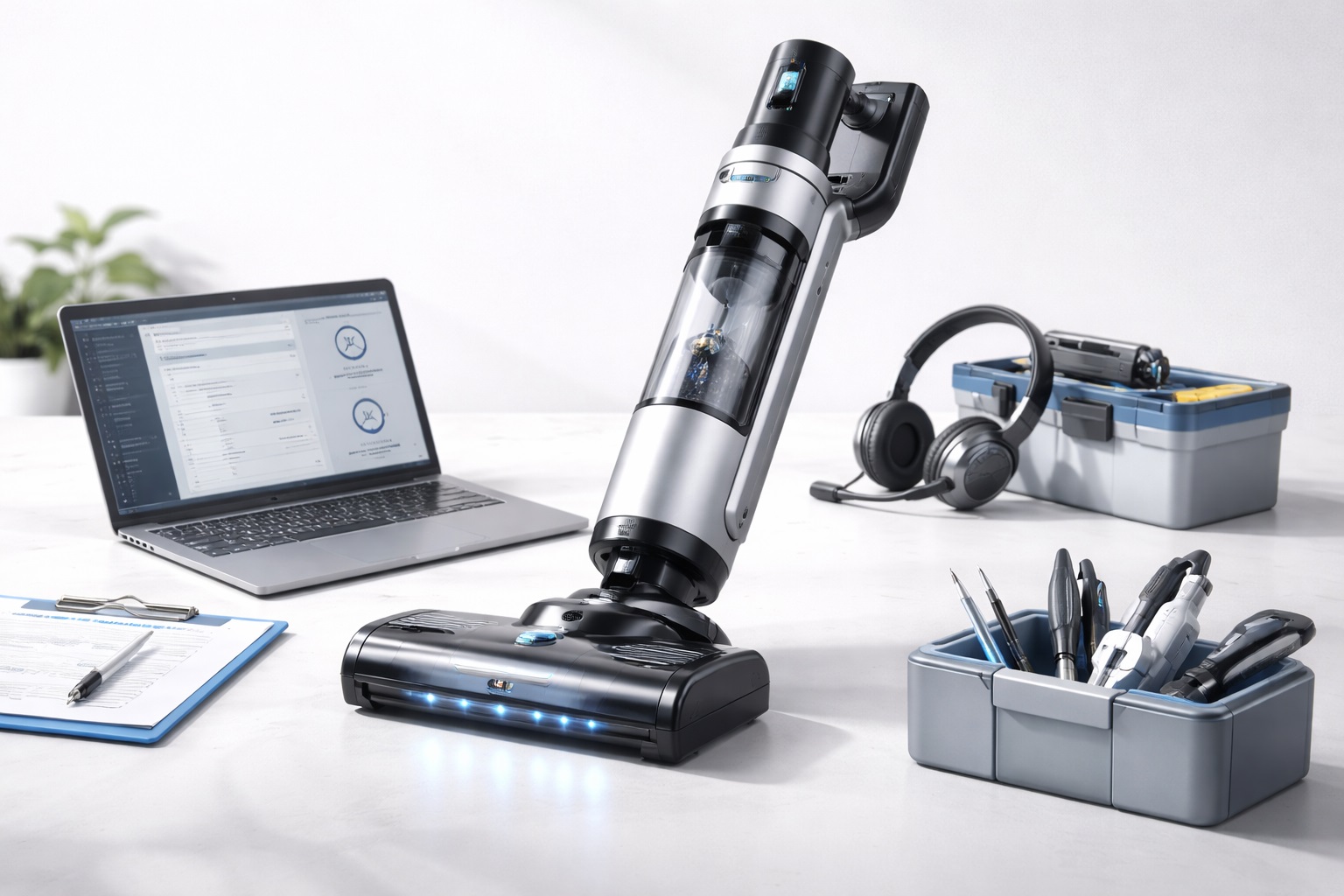
In the multi-functional vacuum cleaner market, product performance alone is no longer enough to secure long-term success. As competition increases and products become more similar, after-sales service has emerged as a critical differentiator.
For distributors and manufacturers, after-sales service is not a cost center. It is a strategic tool that strengthens market position, builds trust, and creates recurring revenue.
1. Why After-Sales Service Matters More Than Ever
Multi-functional vacuum cleaners are used in demanding environments.
They handle dry debris, liquids, fine dust, and heavy workloads. Without proper service support, even high-quality machines can experience downtime and performance degradation.
Buyers increasingly evaluate suppliers based on their ability to provide ongoing support, not just the initial product.
2. After-Sales Service as a Trust Signal 🤝
Strong service capability signals reliability.
When distributors offer clear maintenance plans, spare parts availability, and technical support, buyers feel confident committing to long-term partnerships. This is especially important for commercial and industrial clients who depend on uninterrupted cleaning operations.
Trust built through service often outweighs small price differences.
3. Reducing Total Cost of Ownership for Buyers
After-sales service directly impacts operating costs.
Preventive maintenance, timely filter replacement, and performance checks help keep Multi-Functional Durable Vacuum Cleaner systems running efficiently. This reduces unexpected breakdowns and extends equipment lifespan.
Procurement teams increasingly focus on total cost of ownership rather than purchase price alone.
4. Service Packages as a Competitive Advantage 📦
Bundled service offerings strengthen positioning.
Service packages may include:
Scheduled inspections
Consumable replacement plans
Extended warranties
Operator training
These packages simplify purchasing decisions and shift competition away from price-only comparisons.
5. Consumables and Spare Parts Drive Repeat Revenue 🔁
After-sales service creates natural reorder cycles.
Filters, dust bags, seals, and wear parts require regular replacement. For HEPA Filter Vacuum Cleaner and Wet Dry Vacuum Cleaners, consumables are essential to maintaining performance and compliance.
This recurring demand stabilizes revenue and strengthens customer relationships.
6. Faster Issue Resolution Improves Customer Retention
Downtime is costly for professional users.
Distributors with responsive service teams resolve issues faster, minimizing disruption. Clear service channels and spare parts availability prevent small problems from becoming major dissatisfaction drivers.
Customers who receive effective support are far more likely to reorder and recommend the brand.
7. Training and Education as Part of After-Sales Support 🎓
Proper use extends product life.
Training programs for operators and maintenance staff reduce misuse and improve cleaning efficiency. This is particularly important for High Suction Vacuum Cleaner and Large-Capacity Wet Dry Vacuum Cleaner models used in industrial settings.
Education-based support positions distributors as partners rather than vendors.
8. After-Sales Data Improves Product Development 📈
Service interactions generate valuable feedback.
Common issues, usage patterns, and maintenance requests provide insights that can guide product upgrades and future design decisions. This feedback loop improves product-market fit over time.
From a vacuums procurement perspective, data-driven improvement strengthens supplier credibility.
9. Differentiation in a Price-Competitive Market
Price competition is unavoidable in many regions.
After-sales service offers a way to differentiate without eroding margins. Buyers comparing similar machines often choose suppliers who offer better support and reliability guarantees.
Service quality becomes a decisive factor in tender evaluations.
10. Scaling After-Sales Service in Distribution Networks
Effective service systems are scalable.
Standardized procedures, modular spare parts, and digital support tools allow distributors to expand service coverage without excessive cost increases. Scalable service supports growth across regions and customer segments.
This is critical for global vacuum cleaner distribution strategies.
11. Brand Reputation and Long-Term Market Position 🏆
Strong after-sales service builds brand reputation.
Brands known for reliable support enjoy higher customer loyalty and stronger word-of-mouth. Over time, service reputation becomes a powerful barrier to entry for competitors.
Manufacturers such as Lanxstar support distributors with stable platforms and consistent spare parts supply to enable long-term service success.
12. Turning Service into a Revenue Center
After-sales service can generate profit.
Service contracts, consumable subscriptions, and paid maintenance plans transform support into a sustainable revenue stream. This shifts the business model from one-time sales to long-term value creation.
Distributors who master service monetization gain a significant competitive edge.
Conclusion
After-sales service is no longer optional in the multi-functional vacuum cleaner market. It is a strategic asset that strengthens positioning, builds trust, and supports long-term profitability.
For distributors and manufacturers, investing in service systems reduces price sensitivity, increases customer retention, and enables scalable growth in vacuum cleaner distribution.
To explore service-ready vacuum platforms and long-term partnership solutions, visit www.lxvacuum.com.
Target Readers at the End 🌍
Global vacuum cleaner distributors and wholesalers
Commercial cleaning equipment procurement managers
Facility management and maintenance teams
OEM and private-label brand owners
B2B sales and service managers
50 Related Keyword Groups
Lanxstar vacuum cleaner, vacuum after-sales service, multi-functional vacuum cleaner support, vacuum service strategy, HEPA Filter Vacuum Cleaner maintenance, Wet Dry Vacuum Cleaners service, High Suction Vacuum Cleaner support, Multi-Functional Durable Vacuum Cleaner, vacuum consumables supply, vacuum spare parts, vacuum maintenance plans, vacuum service contracts, vacuum lifecycle management, vacuum customer retention, vacuum cleaner distribution, vacuums procurement, wholesale vacuum cleaner support, distributor service model, B2B vacuum service, commercial vacuum maintenance, industrial cleaning equipment service, vacuum warranty programs, vacuum operator training, vacuum downtime reduction, service-based vacuum sales, vacuum repeat orders, vacuum aftermarket revenue, vacuum brand loyalty, professional cleaning support, scalable service systems, vacuum service efficiency, cleaning equipment lifecycle, vacuum platform support, vacuum service differentiation, vacuum reliability strategy, long-term vacuum partnerships, service-driven distribution growth