Hi, message us with any questions.
We're happy to help!





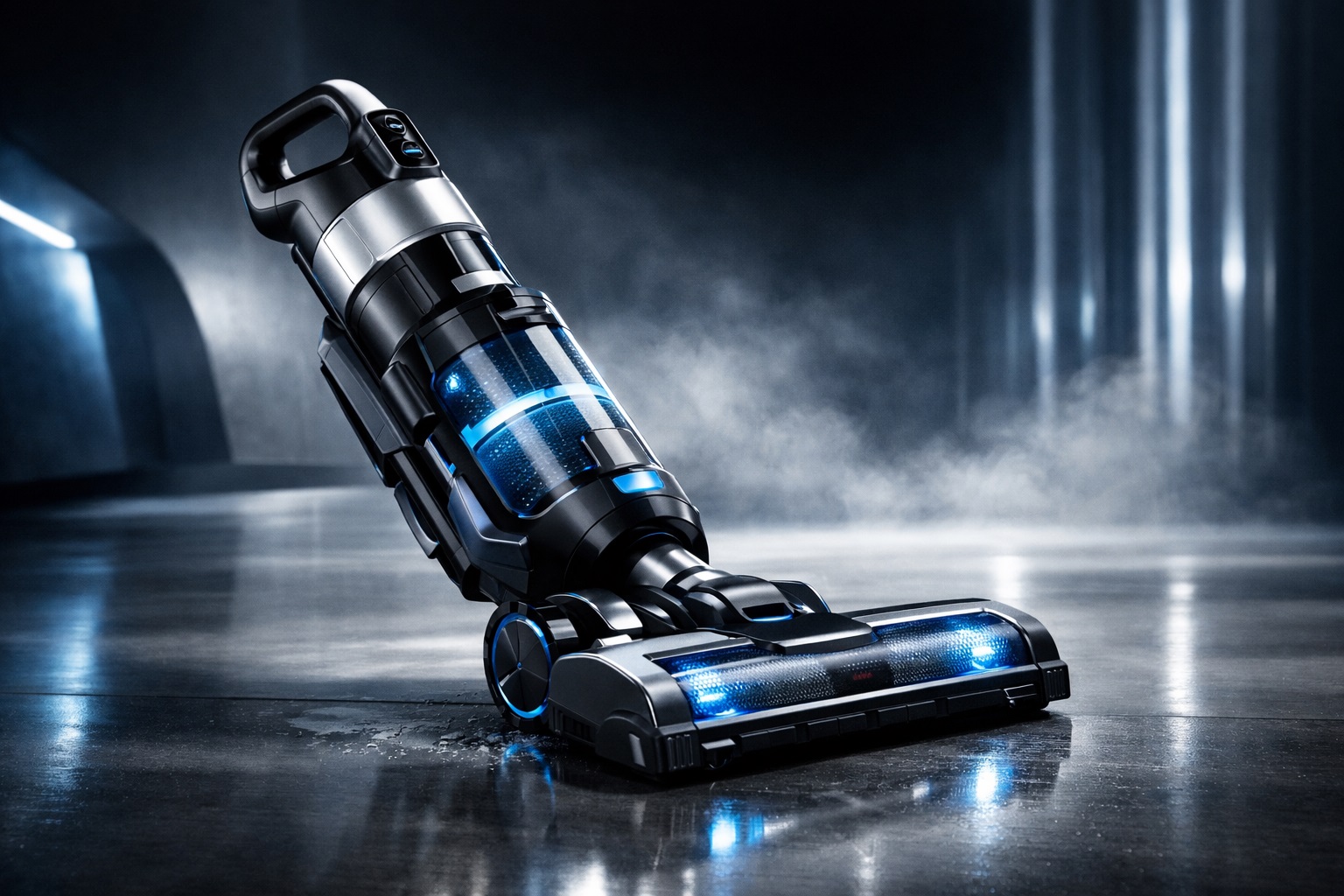
The commercial cleaning industry is experiencing a significant transformation, driven by advancements in technology and the growing demand for more efficient, durable, and environmentally friendly equipment. Wet dry vacuums, which have become indispensable tools for industrial and commercial cleaning, are at the forefront of this revolution. As we look toward 2026, several key innovations in wet dry vacuum technology are expected to reshape how these machines operate and how businesses approach cleaning solutions.
This article explores the most important wet dry vacuum innovations that will likely define the industry in the coming years, from smart technology integrations to energy-efficient motor designs.
⚙️ 1. Smart Technology Integration in Wet Dry Vacuums
In 2026, one of the most prominent trends in the wet dry vacuum market will be the integration of smart technology. While many commercial cleaning machines already feature basic automation, the future will see even more advanced systems embedded into wet dry vacuums, making them smarter, more efficient, and easier to use.
Key Features:
Sensors and Monitoring: Wet dry vacuums will be equipped with sensors that track performance in real-time. These sensors will monitor factors such as suction power, tank capacity, and filter condition, ensuring optimal performance. Facility managers can receive alerts when the vacuum requires maintenance or when filters need replacing.
Remote Control and Connectivity: Through mobile apps and cloud integration, users will be able to control and monitor vacuum performance remotely. This will allow for more flexible scheduling of cleaning tasks, reduce downtime, and provide maintenance insights without having to be physically present.
Predictive Maintenance: By collecting data and analyzing machine usage patterns, smart wet dry vacuums will be able to predict when parts are likely to fail, reducing unexpected breakdowns and minimizing downtime.
Benefits:
Increased Efficiency: Real-time performance tracking ensures machines run at peak efficiency.
Convenience: Remote monitoring and control make it easier for cleaning staff and facility managers to operate vacuums, particularly in large spaces or multi-site operations.
Cost Savings: Predictive maintenance can reduce repair costs by catching issues before they escalate.
🌬️ 2. Advanced Filtration Systems for Better Air Quality
As environmental concerns continue to grow, so does the need for cleaner and safer environments. Wet dry vacuums, particularly those used in industrial and commercial settings, must do more than just clean the floor—they need to improve indoor air quality.
Key Features:
HEPA Filtration: High-Efficiency Particulate Air (HEPA) filters are becoming the standard for many wet dry vacuum manufacturers. These filters can capture up to 99.97% of airborne particles as small as 0.3 microns, making them ideal for environments like hospitals, hotels, and factories where air quality is critical.
Multi-stage Filtration: Many of the future wet dry vacuums will include multi-stage filtration systems that filter both fine dust and liquid debris, ensuring that contaminants are captured before they can escape back into the air.
Self-cleaning Filters: In 2026, some wet dry vacuums will feature self-cleaning filters, helping to maintain suction power for longer periods without requiring frequent manual maintenance. This will be especially beneficial in high-volume industrial environments.
Benefits:
Improved Health and Safety: HEPA and multi-stage filters help reduce respiratory risks by trapping harmful particles in the air.
Cleaner Work Environments: By improving air quality, these vacuums will contribute to healthier, more comfortable workspaces.
⚡ 3. Energy-Efficient Motors and Sustainable Power Systems
Energy efficiency is becoming an increasingly important factor in commercial cleaning equipment. As businesses strive to reduce their carbon footprint and lower operational costs, energy-efficient wet dry vacuums are in high demand.
Key Features:
Energy-Efficient Motors: New motor designs will provide more suction power while using less energy. In fact, many wet dry vacuum models will achieve 20–30% better energy efficiency compared to their predecessors by 2026. This will allow businesses to reduce both their energy costs and environmental impact.
Battery-Powered Wet Dry Vacuums: The future will see more battery-powered wet dry vacuums capable of handling industrial-level cleaning tasks. These machines will benefit from advancements in battery technology, offering longer run times and shorter charging periods.
Regenerative Braking: Some of the more advanced models will incorporate regenerative braking systems, allowing the vacuum to recover and store energy when it’s not in use, further enhancing energy efficiency.
Benefits:
Lower Operating Costs: Energy-efficient motors and battery technology reduce electricity consumption, saving businesses money in the long term.
Eco-Friendly: Reduced power consumption and lower carbon emissions align with the growing demand for sustainable business practices.
🔧 4. Modular and Customizable Wet Dry Vacuums
As the demands for cleaning equipment become more specialized, wet dry vacuum manufacturers will offer increasingly customizable and modular machines. These systems can be tailored to meet specific needs, whether it's for a particular industry or a specialized cleaning task.
Key Features:
Customizable Tanks and Attachments: Future wet dry vacuums will feature interchangeable tanks, hoses, and attachments that can be swapped out depending on the type of debris or the nature of the task. For example, a vacuum used in a factory might need a larger debris tank and stronger suction power, while a vacuum used in a hotel might need to be quieter and more portable.
Modular Designs: A modular design allows businesses to upgrade or replace individual components of the vacuum (e.g., motor, tank, filtration system) rather than purchasing a completely new machine.
Benefits:
Versatility: Customizable features make wet dry vacuums more adaptable to different tasks and environments.
Cost-Effective: Businesses can extend the lifespan of their machines by upgrading individual components, avoiding the need for full replacements.
🧰 5. Design Innovations for Durability and Portability
While functionality is important, the design of wet dry vacuums is also evolving to meet the demands of modern workplaces. Durability and portability will be key considerations for manufacturers in 2026.
Key Features:
Rugged Materials: Wet dry vacuums will be built with more durable materials such as reinforced plastics and stainless steel to handle the rigors of industrial environments.
Ergonomic Designs: To improve user experience, future models will feature lightweight, ergonomic designs that make them easier to maneuver. This will be particularly important for workers in environments that require frequent vacuuming.
Compact, Space-Saving Models: Many vacuums will be designed to be more compact, making them ideal for spaces with limited storage, such as offices or small workshops.
Benefits:
Longer Lifespan: More durable materials and design features will extend the operational life of wet dry vacuums.
Ease of Use: Ergonomic and portable designs will reduce physical strain on cleaning staff, improving overall productivity.
🌍 6. Integration of Artificial Intelligence (AI)
AI is starting to make its way into cleaning technology, and wet dry vacuums are no exception. In 2026, AI-powered vacuums will be capable of learning from their environments and optimizing their cleaning routines based on real-time data.
Key Features:
Self-Adaptive Cleaning Patterns: AI-powered vacuums will be able to learn the layout of a room or workspace and adjust their cleaning patterns accordingly, ensuring maximum efficiency and coverage.
AI for Predictive Maintenance: With AI integration, vacuums will be able to predict when certain parts are likely to fail, prompting maintenance actions before a breakdown occurs.
Benefits:
Optimized Cleaning: AI will help machines adapt to different spaces and needs, ensuring more thorough and efficient cleaning.
Reduced Downtime: Predictive maintenance powered by AI will prevent unexpected machine failures.
Conclusion: What’s Next for Wet Dry Vacuum Technology?
As we approach 2026, the wet dry vacuum market will continue to evolve with innovations that improve performance, sustainability, and ease of use. From smart technology integrations to energy-efficient designs, these machines will become more powerful, adaptable, and environmentally friendly.
For businesses in need of professional cleaning solutions, understanding these key trends will help them make informed decisions when investing in new equipment. Whether you are working with a wet dry vacuum manufacturer, an OEM wet dry vacuum partner, or purchasing from a trusted wet dry vacuum supplier, the future of wet dry vacuum technology promises exciting opportunities for improved operational efficiency and cleaner environments.
Hashtags
wet dry vacuum manufacturer, wet dry vacuum supplier, OEM wet dry vacuum, vacuum cleaner manufacturers China, industrial vacuum OEM, commercial cleaning vacuum, smart vacuum technology, HEPA filtration wet dry vacuum, energy-efficient vacuum cleaner, AI-powered wet dry vacuum, modular wet dry vacuum



