Hi, message us with any questions.
We're happy to help!





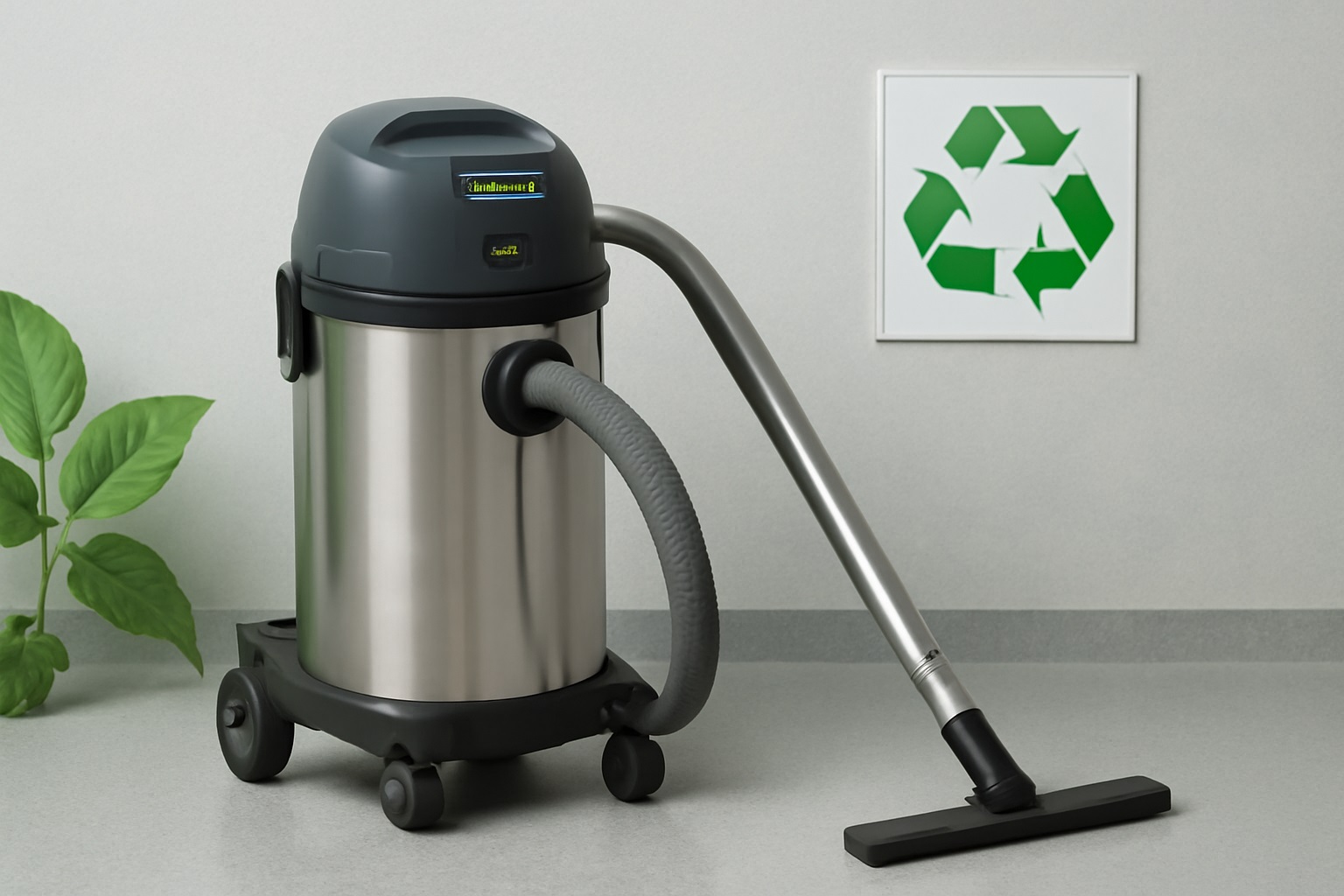
The food and pharmaceutical industries are rapidly evolving under global demands for sustainability, automation, digital intelligence, and higher safety standards. Vacuum systems—critical for cleaning, contamination control, powder management, and hygienic operations—are undergoing a technological transformation. Traditional vacuum solutions are being replaced by smarter, greener, and more interconnected equipment.
This article examines the major technological and regulatory trends shaping the future of vacuum systems in food and pharmaceutical production environments.
1. The Push Toward Sustainability & Green Vacuum Technologies
Environmental sustainability is now a core business priority across all processing industries. Vacuum systems must evolve to:
Reduce energy consumption
Lower carbon footprint
Use recyclable and eco-friendly materials
Support waste reduction programs
Optimize motor efficiency
Minimize disposable consumables
Future vacuum systems will adopt green engineering principles, including energy-optimized motors, reusable filters, and intelligent energy management.
2. Smart & Connected Vacuum Systems
Digitalization is transforming vacuum system design.
Features of smart vacuum systems include:
Real-time data monitoring
Cloud-based performance analytics
Predictive maintenance
Automatic clog and leak detection
Filter life tracking
Remote diagnostics
IoT integration with MES/SCADA systems
Smart vacuums reduce downtime, improve cleaning consistency, and offer better traceability for regulatory compliance.
3. AI-Enhanced Predictive Maintenance
AI and machine learning are enabling predictive maintenance models.
AI technologies will monitor:
Motor vibration
Suction pressure changes
Filter saturation patterns
Temperature fluctuations
Component wear cycles
These systems predict failures before they occur, extending equipment lifespan and reducing maintenance costs—ideal for high-volume food and pharma facilities.
4. Energy-Efficient Motor & Airflow Innovations
Energy efficiency is a major future trend, driven by sustainability targets and rising electricity costs.
Improvements include:
High-efficiency brushless motors
Variable-speed control based on load
Advanced airflow channels
Reduced internal air resistance
Regenerative energy systems
Optimized airflow architecture can significantly reduce power consumption while improving suction stability.
5. Advanced Filtration for a Post-Antimicrobial World
Filtration technology is evolving to meet the needs of:
Allergen-free food processing
Sterile pharma environments
High-potency API handling
Microbial contamination control
Future filtration developments will include:
Anti-microbial filter materials
Self-sterilizing filter surfaces
Long-life washable HEPA/ULPA filters
Smart filter life diagnostics
Reduced environmental impact through reusable filters
Filtration will become both safer and more sustainable.
6. Automation & Robotics Integration
Food and pharmaceutical factories are increasingly adopting robotics for packaging, sorting, dosing, and handling.
Vacuum systems must integrate seamlessly with:
Robotic pick-and-place systems
Automated packaging machines
Intelligent conveyors
Automated guided vehicles (AGVs)
Autonomous mobile robots (AMRs)
Vacuum solutions will support automated cleaning stations and robotic sanitation arms for hygienic maintenance.
7. Enhanced Hygienic Design for Future Food & Pharma Regulations
Stringent global regulations require ever-improving hygienic standards.
Future hygienic design trends include:
Fully sealed smooth surfaces
Zero-crevice stainless construction
Self-draining geometries
Tool-free access for sanitation
Anti-static, non-shedding materials
Hygienic coatings with anti-microbial properties
These features help meet evolving GMP, HACCP, FDA, and ISO expectations.
8. Digital Documentation & Electronic Validation
Automation of documentation is becoming essential.
Digital features include:
Electronic cleaning logs
Auto-generated maintenance reports
Digital HEPA certification records
Traceable filter replacement history
QR-coded equipment tracking
Cloud-based validation files
These tools reduce human error and support rapid audit readiness.
9. Modular & Flexible Vacuum System Architecture
Future vacuum systems must adapt to:
Fast product changeovers
Different allergen or API zones
Multi-line operations
Expanding production capacity
Modular designs allow:
Swap-in filtration modules
Replaceable dust chambers
Line-specific vacuum heads
Multi-zone sanitary compatibility
Rapid reconfiguration for new processes
Flexibility reduces downtime and increases operational adaptability.
10. Next-Generation Safety Systems
Advanced safety systems will support safe operation in high-risk environments, especially in pharmaceutical API handling.
Future safety improvements include:
Enhanced ATEX safety designs
Improved anti-static components
Temperature-regulated motor systems
Real-time hazard detection
Sealed negative-pressure containment
Automated hazard alarms
These advancements reduce risk while meeting increasingly strict safety regulations.
Conclusion
The future of vacuum systems in food and pharmaceutical industries is defined by smart automation, sustainability, advanced filtration, digital traceability, and hygienic innovation. As factories move toward green manufacturing and Industry 4.0 automation, vacuum systems will play a more intelligent and essential role in ensuring clean, compliant, and high-performance production environments.
👉 Learn more: www.lxvacuum.com
Target Readers
Food & pharmaceutical production engineers
Automation and Industry 4.0 specialists
GMP and compliance managers
R&D and equipment innovation teams
Vacuum technology manufacturers
QA/QC professionals
Facility managers
Sustainability and ESG departments
Packaging line integrators
Procurement and strategic sourcing teams
50 Keywords
smart vacuum system, green vacuum technology, sustainable industrial vacuum, energy efficient vacuum, hygienic vacuum system, automated vacuum cleaner, IoT vacuum control, predictive maintenance vacuum, vacuum for food factories, pharmaceutical vacuum innovation, HEPA filtration vacuum, ULPA vacuum technology, industrial vacuum automation, AI-driven vacuum analytics, Industry 4.0 vacuum system, eco-friendly vacuum design, FDA compliant vacuum, GMP vacuum cleaner, HACCP cleaning vacuum, modular vacuum system, robotic integrated vacuum, vacuum for smart factories, digital validation vacuum, cloud-connected vacuum system, sustainable filtration vacuum, reusable filter vacuum, high-efficiency motor vacuum, zero-crevice hygienic vacuum, vacuum for API handling, vacuum for allergen control, advanced filtration vacuum, energy-saving vacuum system, corrosion-resistant vacuum, vacuum for packaging automation, vacuum for food safety, vacuum for pharma cleanrooms, industrial hygiene vacuum, vacuum for controlled environments, green cleaning vacuum, vacuum for automated lines, smart hygiene vacuum, adaptive vacuum system, vacuum with intelligent controls, industrial vacuum monitoring, vacuum system of the future, predictive cleaning vacuum, digital documentation vacuum.