Hi, message us with any questions.
We're happy to help!





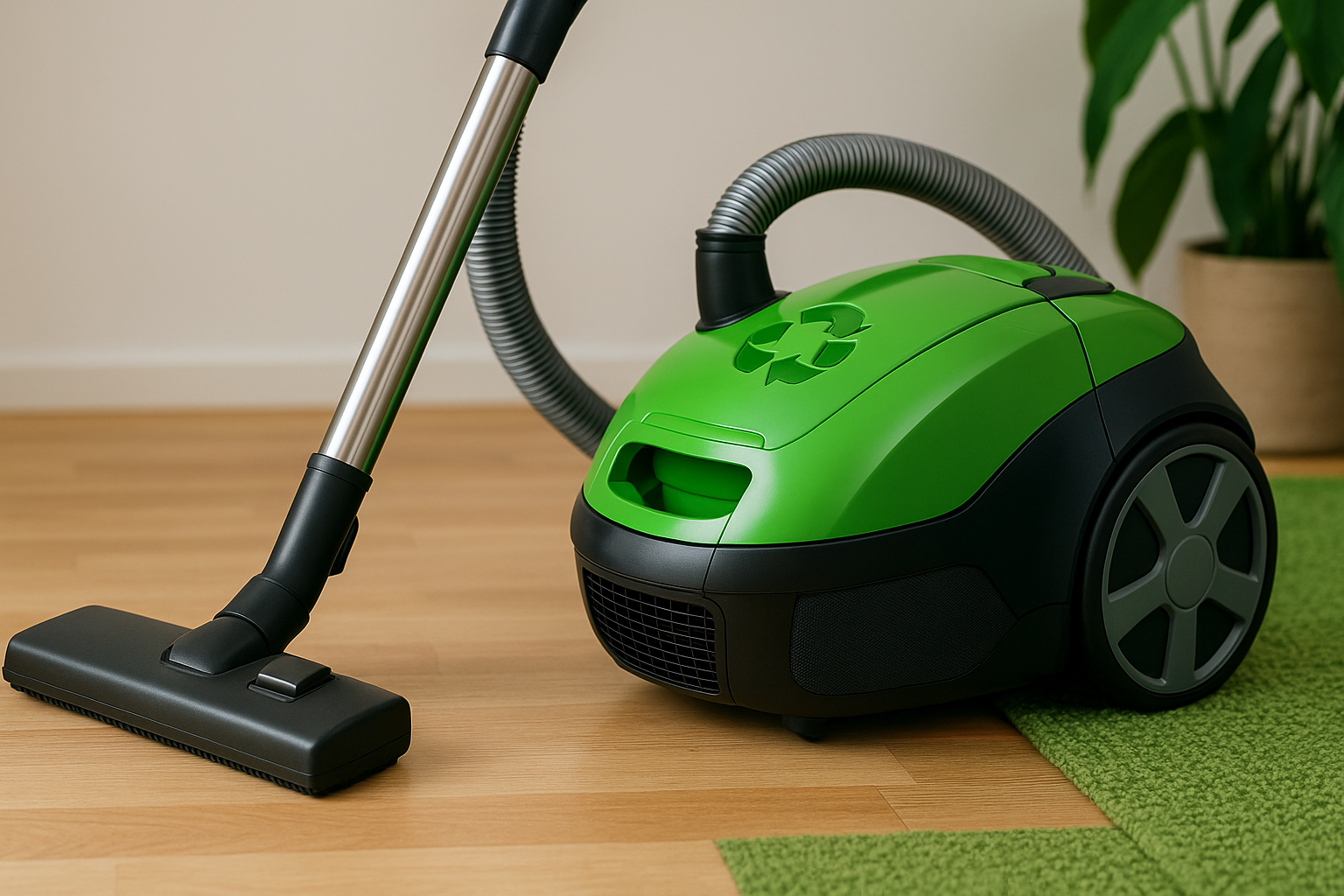
The post-pandemic world has fundamentally transformed expectations for commercial cleaning equipment. Organizations across industries—hospitality, healthcare, transportation, corporate real estate, manufacturing, and retail—now require cleaning tools that deliver higher performance with lower energy consumption, all while supporting environmental sustainability goals.
Energy-efficient vacuum technologies, from Energy-Saving Efficient Powerful Vacuum Cleaner systems to Fast Lightweight Vacuum Cleaner models, have become critical components of modern B2B procurement strategies.
Today’s professional-grade vacuums integrate innovations such as brushless motors, optimized airflow engineering, HEPA filtration, IoT-driven power management, and multi-functional wet–dry capabilities—all designed to reduce electricity use while maximizing performance.
This article explores the technologies and trends reshaping sustainable vacuum solutions and driving the global shift toward greener, smarter cleaning operations.
1. Why Energy Efficiency Matters More Than Ever 🌐⚡
Post-pandemic cleaning frequencies increased dramatically across all sectors, leading to higher operational costs and environmental impact.
Key factors driving the demand for energy-efficient vacuums:
✔ More frequent cleaning cycles
✔ Rising energy prices worldwide
✔ Corporate ESG performance requirements
✔ Government sustainability regulations
✔ Long-term equipment cost optimization
✔ Indoor air quality and HEPA compliance
These factors encourage organizations to adopt Energy-Saving Efficient Powerful Vacuum Cleaner systems that combine performance with reduced power consumption.
2. Brushless Motor Technology: High Power, Low Energy Use 🔋💨
One of the most significant innovations in energy-efficient vacuum systems is the brushless digital motor.
Advantages:
✨ Higher suction with lower watt usage
✨ Longer lifespan
✨ Less heat generation
✨ Reduced maintenance
✨ Quieter operation
Brushless motors power many modern models, including:
High Suction Vacuum Cleaner
Fast Lightweight Vacuum Cleaner
Cordless Vacuum Cleaner
Brands leveraging this technology are gaining procurement interest from global cleaning providers.
3. Optimized Airflow Engineering Increases Efficiency 🌬️🧠
Energy consumption isn’t only about motor wattage—airflow design plays a major role.
Modern vacuums achieve efficiency through:
🔹 Tapered nozzles
🔹 Cyclone separation chambers
🔹 Multi-channel airflow routing
🔹 Aerodynamic dustbin design
These improvements ensure maximum suction performance while consuming less power, especially in:
Commercial wet dry vac
Multi-Functional Durable Vacuum Cleaner
Wet Dry Vacuum Cleaners
Optimized airflow helps reduce total watt consumption during long cleaning sessions.
4. Cordless Battery Efficiency & BMS Improvements 🔋⚙️
Cordless technology is central to modern sustainability.
Advanced lithium battery systems in:
Li-ion Cordless Handheld Vacuum Cleaner
Cordless Vacuum Cleaner
cordless handheld vacuums
use smart Battery Management Systems (BMS) to improve:
✔ Runtime
✔ Heat control
✔ Charging cycles
✔ Energy distribution
These improvements reduce energy waste and extend the product lifecycle, lowering environmental impact.
5. Wet–Dry Versatility Reduces Equipment Redundancy 💧🧹
Sustainability also means using fewer machines.
Wet–dry models such as:
Wet Dry Vacuum Cleaners
Wet and Dry Vacuum Cleaner
Large-Capacity Wet Dry Vacuum Cleaner
replace multiple cleaning tools:
✔ Traditional mops
✔ Dry vacuums
✔ Wet vacuums
✔ Floor wipers
Impact on sustainability:
🔸 Lower production waste
🔸 Reduced storage needs
🔸 Less energy consumption overall
🔸 Fewer replacement units over time
The consolidation of cleaning functions supports eco-friendly procurement strategies.
6. HEPA Filtration Improves Indoor Environmental Quality 🦠🌬️
HEPA systems not only protect health but also contribute to sustainability by reducing the need for chemical cleaning.
Relevant devices include:
HEPA Filter Vacuum Cleaner
Apartment Vacuum Cleaner
Vacuum Cleaner for Pet Hair
Environmental benefits of HEPA:
✔ Less airborne particle circulation
✔ Reduced chemical disinfectant use
✔ Fewer sick days = lower facility energy load
✔ Environmentally safer indoor air quality
Cleaner air supports healthier commercial spaces and aligns with global wellness standards.
7. IoT-Enhanced Energy Optimization 📡📊
Smart vacuum systems use IoT technology to improve energy management.
IoT contributes to sustainability through:
📍 Real-time energy usage tracking
📍 Automated low-power modes
📍 Smart suction adjustment algorithms
📍 Remote diagnostics (reduces service trips)
📍 Predictive maintenance (extends lifespan)
Devices like the 4 in 1 Cordless Smart Wet & Dry Vacuum Cleaner integrate smart controls to optimize performance with minimal energy waste.
8. Durability & Repairability Lower Environmental Impact 🛠️🌎
Sustainable vacuum design focuses on long-term value.
Features include:
Reinforced construction
Replaceable modular components
Long-lifespan brushless motors
Durable water tanks
Washable filters
Products such as Multi-Functional Durable Vacuum Cleaner and pro-grade suction vacuum reduce landfill waste and extend lifecycle value—a core principle of eco-friendly procurement.
9. Sustainability as a Procurement Requirement 📑♻️
Governments, corporations, and facility management companies now include sustainability criteria in purchasing decisions.
Procurement priorities include:
✔ Low energy consumption
✔ High suction per watt
✔ HEPA certification
✔ Long battery lifecycle
✔ Reduced carbon footprint
✔ Recyclable materials
✔ Equipment consolidation (wet–dry systems)
✔ Quiet operation (noise pollution reduction)
This strongly influences vacuums procurement and vacuum cleaner distribution worldwide.
10. Conclusion: Energy Efficiency Defines the Future of Vacuum Technology ✨🌍
The post-pandemic era has made sustainability a top priority for global cleaning operations. Energy-efficient vacuum technology—powered by brushless motors, smart sensors, HEPA filtration, optimized airflow, and consolidated wet–dry functionality—is transforming how organizations clean commercial spaces.
Businesses that adopt Energy-Saving Efficient Powerful Vacuum Cleaner solutions not only reduce operational costs but also support global environmental goals.
Energy-efficient, sustainable cleaning is no longer optional—it is the new standard.
50 Tags
High Suction Vacuum Cleaner, Portable Quiet Vacuum Cleaner, Self-Cleaning Vacuum Cleaner, Multi-Functional Durable Vacuum Cleaner, Fast Lightweight Vacuum Cleaner, Energy-Saving Efficient Powerful Vacuum Cleaner, Large-Capacity Wet Dry Vacuum Cleaner, Li-ion Cordless Handheld Vacuum Cleaner, Wet Dry Vacuum Cleaners, 4 in 1 Cordless Smart Wet & Dry Vacuum Cleaner, cordless handheld vacuums, Cordless Vacuum Cleaner, Car Vacuum Cleaner, quiet vacuum cleaner, wet dry vacuum, Portable Vacuum for Travel, HEPA Filter Vacuum Cleaner, Apartment Vacuum Cleaner, Wet and Dry Vacuum Cleaner, Quiet Vacuum for Night Use, Vacuum Cleaner for Pet Hair, Vacuum Cleaner for Hardwood Floors, best vacuum on a budget, best budget hoover, good budget vacuum, best affordable vacuum, best budget vacuum, best value for money hoover, best value hoover, best vacuum cleaners on a budget, best vacuums on a budget, good budget vacuum cleaner, vacuums procurement, vacuum cleaner distribution, Lanxstar, industrial vacuum supplier, commercial wet dry vac, cordless cleaning equipment, smart auto-clean vacuum, handheld vacuum for car detailing, hotel cleaning vacuum, home cleaning vacuum, HEPA filtration system vacuum, portable car cleaner, lightweight smart vacuum, rechargeable cordless vacuum, pro-grade suction vacuum, multi-surface vacuum cleaner, dual-tank wet dry cleaner.