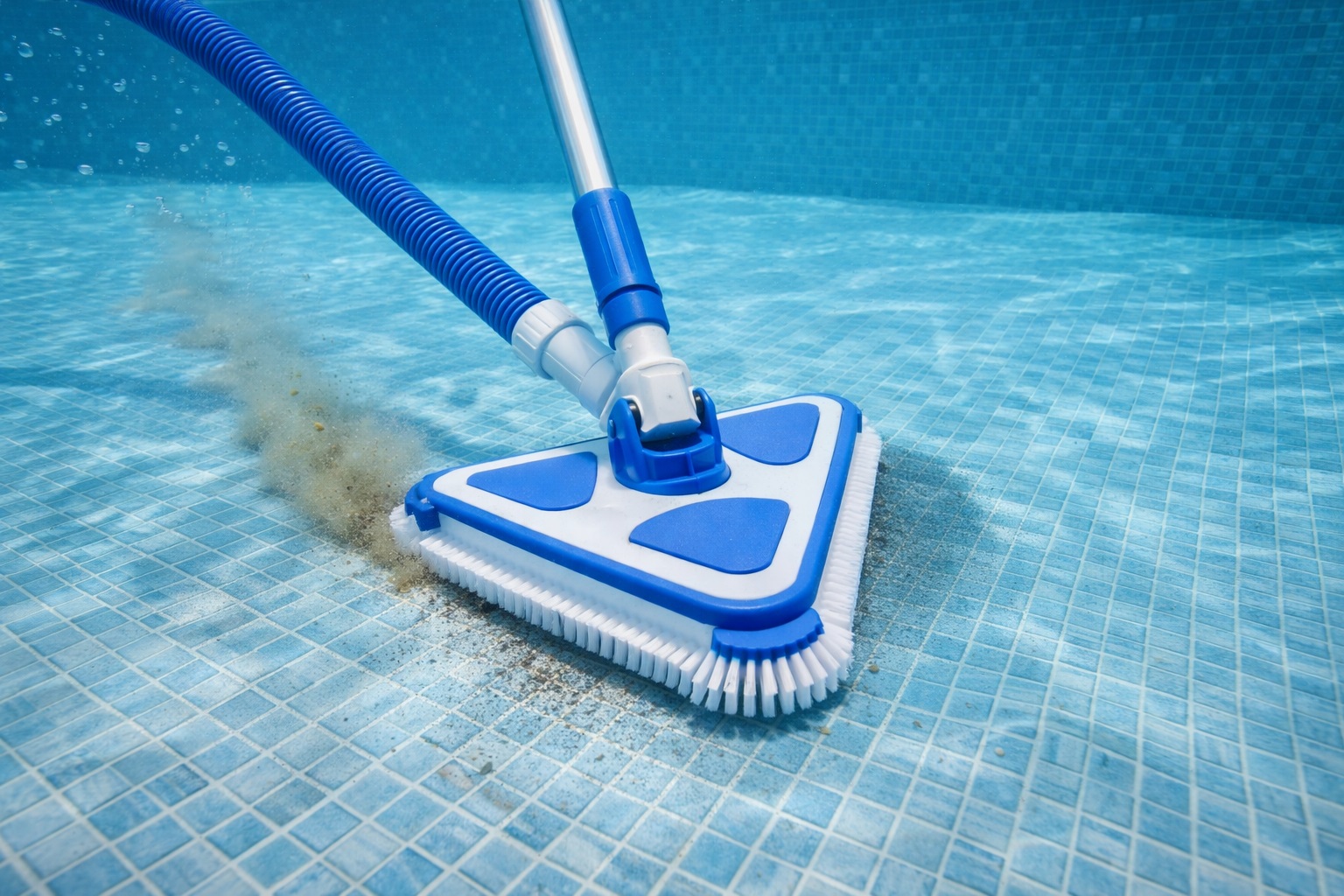
A dirty pool bottom is more than just a cosmetic problem.
It can lead to:
If your pool vacuum is not removing dirt effectively, the problem is often not the machine — it’s the method.
Whether you’re using a commercial wet and dry vacuum cleaner or a compact Cordless Vacuum Cleaner, cleaning efficiency depends on suction control, debris type, and proper technique.
This guide covers everything you need to know to clean pool bottoms effectively and avoid common mistakes.
🌊 1️⃣ Identify the Type of Debris First
Before turning on your vacuum, identify what you are dealing with.
Different debris requires different suction levels.
Common Pool Bottom Debris
Using high suction for everything reduces efficiency and may damage the surface.
A Multi-Functional Durable Vacuum Cleaner allows adjustable suction, which is ideal for handling different debris densities.
⚙️ 2️⃣ Prepare the Filtration System Properly
Many people skip this step — and lose suction performance immediately.
Before vacuuming:
Clean or backwash the pool filter
Check hose connections
Remove air pockets from the hose
Inspect seals for leakage
A dirty filter reduces airflow.
Even an Energy-Saving Efficient Powerful Vacuum Cleaner will lose performance if airflow is restricted.
Stable airflow = better debris transport.
🧹 3️⃣ Move Slowly and Use Overlapping Strokes
One of the biggest mistakes is moving too fast.
Fast movement:
Disperses sediment
Makes water cloudy
Reduces debris pickup
Correct method:
A properly used wet and dry vacuum cleaner performs better at moderate speed than at maximum movement speed.
🏖️ 4️⃣ How to Remove Fine Sand from Pool Bottom
Fine sand is one of the most searched pool problems.
Especially in outdoor pools exposed to wind or desert environments.
Best Method:
Let sand settle completely
Increase suction gradually
Shorten hose length if possible
Clean filter midway if needed
Use slow, controlled strokes
Excess suction can scatter sand instead of lifting it.
Balanced suction improves pickup and reduces energy waste.
🔋 5️⃣ When to Use Cordless or Portable Pool Vacuums
For small pools or quick cleanups:
Advantages:
Limitations:
Portable systems complement — not replace — larger Wet and Dry Vacuum Cleaner systems for commercial pools.
🧼 6️⃣ How to Clean Algae from Pool Bottom
Algae cannot be removed by suction alone.
Follow this process:
Brush algae thoroughly
Let particles settle
Vacuum slowly
Use moderate suction
A Multi-Functional Durable Vacuum Cleaner with adjustable airflow works best in this scenario.
Mechanical agitation first — suction second.
🔌 7️⃣ Why Your Pool Vacuum Is Losing Suction
This is a high-search problem.
Common causes:
Clogged filter
Air leaks in hose
Full debris tank
Blocked intake
Hose too long
Even a powerful wet and dry vacuum cleaner will lose efficiency if airflow is disrupted.
Quick check list:
✔ Inspect filter
✔ Check hose for cracks
✔ Ensure tight connections
✔ Verify suction valve setting
📊 Recommended Suction Levels
| Situation | Suction Level | Notes |
|---|
| Light leaves | Moderate | Prevent sticking |
| Fine sand | Moderate–High | Slow movement |
| Heavy debris | High (short term) | Avoid prolonged max |
| Algae | Moderate | Brush first |
❓ FAQ: Pool Bottom Cleaning
Q1: How often should I vacuum my pool bottom?
For residential pools, once per week is typical. Commercial pools may require daily vacuuming depending on debris exposure.
Q2: Why does my pool water turn cloudy after vacuuming?
Likely due to moving too fast or excessive suction dispersing fine sediment.
Q3: Can a wet and dry vacuum cleaner clean a swimming pool?
Yes, if designed for liquid handling and equipped with proper filtration. Always ensure airflow stability.
Q4: Is cordless pool vacuum powerful enough?
A Cordless Vacuum Cleaner is suitable for small pools and spot cleaning but not ideal for heavy sand or large commercial pools.
Q5: What is the most energy-efficient way to vacuum a pool?
Use moderate suction, clean filters beforehand, and avoid extended high-power operation. An Energy-Saving Efficient Powerful Vacuum Cleaner balances airflow and motor load for optimal efficiency.
Strategic Conclusion
Cleaning a pool bottom effectively requires:
Identifying debris type
Preparing filtration system
Adjusting suction properly
Moving slowly and consistently
Using the right equipment for the job
Whether you operate a commercial wet and dry vacuum cleaner or a portable Portable Vacuum for Travel, performance depends on airflow balance and technique.
Maximum power does not guarantee maximum results.
Controlled suction and disciplined operation deliver cleaner water and longer equipment lifespan.
Suitable Audience
Pool equipment distributors
Commercial pool maintenance companies
B2B vacuum buyers
Facility management teams
European & Middle East pool service providers
Hashtags
Lanxstar, wet and dry vacuum cleaner, Multi-Functional Durable Vacuum Cleaner, Energy-Saving Efficient Powerful Vacuum Cleaner, Cordless Vacuum Cleaner, Portable Vacuum for Travel, Wet and Dry Vacuum Cleaner, pool bottom cleaning guide, how to remove sand from pool, pool vacuum losing suction, commercial pool cleaning equipment, swimming pool maintenance tips, professional pool vacuum system, European pool equipment distributor, Middle East pool cleaning supplier, OEM pool vacuum manufacturer, cordless pool vacuum solution, adjustable suction vacuum system, energy efficient cleaning equipment, industrial filtration vacuum system, pool liner safe vacuum head, fiberglass pool cleaning solution, concrete pool debris removal, rotating brush attachment vacuum, smart airflow vacuum system, commercial janitorial equipment supplier, bulk vacuum cleaner buyer, durable cleaning equipment manufacturer, heavy debris extraction system, professional suction equipment, continuous duty vacuum cleaner, swimming pool efficiency solution