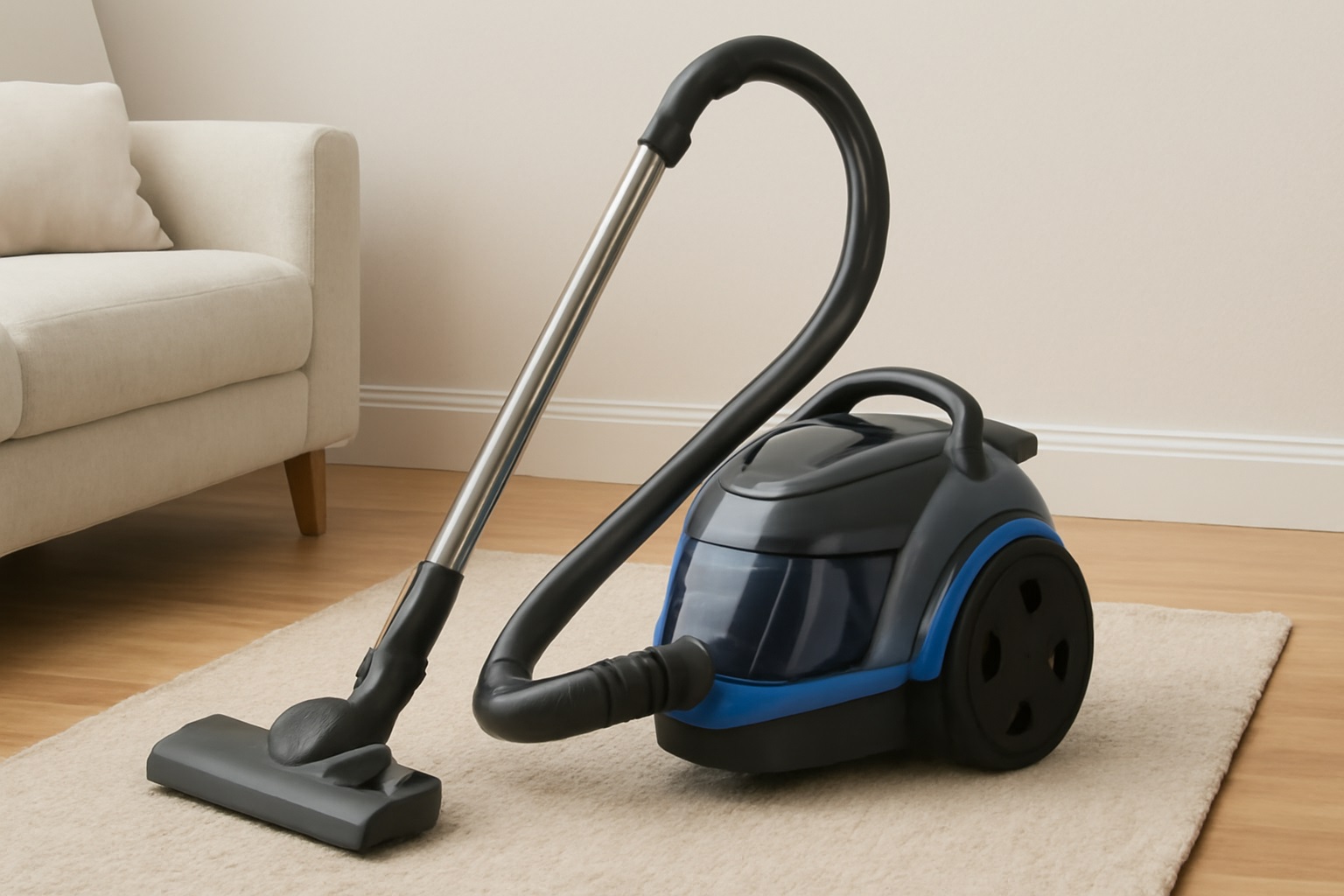
✨ Powered by Lanxstar with advanced HEPA filtration engineering
HEPA filtration is one of the most recognized technologies in household cleaning. However, many buyers and consumers wonder whether HEPA filter vacuums truly improve allergy conditions or if the benefits are overstated. With allergies increasing worldwide, especially due to indoor pollutants, pet dander, and dust mites, HEPA technology has become a core requirement in modern vacuum systems.
This guide provides a clear, evidence-based explanation of how HEPA vacuums work and whether they deliver real relief for allergy sufferers.
⭐ 1. What Is HEPA Filtration and Why Does It Matter? 🔍
HEPA stands for High-Efficiency Particulate Air. A true HEPA filter traps 99.97 percent of particles down to 0.3 microns.
This includes:
Dust mites
Pet dander
Pollen
Mold spores
Fine dust
Because these particles are among the most common allergy triggers, capturing them is essential for allergy relief.
⭐ 2. How HEPA Filters Capture Allergens 🛡️
HEPA filters work through three mechanisms:
Interception
Impaction
Diffusion
These processes ensure the filter traps both large and microscopic particles. A HEPA Filter Vacuum Cleaner ensures that allergens are captured rather than recirculated back into the air.
⭐ 3. Why HEPA Alone Is Not Enough ✨
A vacuum may use a HEPA filter, but if the airflow system is not sealed, allergens still escape.
A true allergy-safe vacuum requires:
Sealed airflow pathways
Leak-proof dustbin architecture
Tight gasket seals
Stable suction pressure
Lanxstar integrates sealed motor housing and multi-layer HEPA filtration to ensure particles do not escape through cracks in the system.
⭐ 4. HEPA vs Non-HEPA Filters: The Real Difference 🔧
Standard filters capture only large dust particles. They cannot stop:
Dander
Pollen
Micro-dust
Microscopic fibers
HEPA filters excel at removing the smallest irritants. This makes them essential for allergy and asthma sufferers.
⭐ 5. Do HEPA Vacuums Improve Air Quality? 🌬️
Yes. HEPA vacuums significantly improve indoor air quality by reducing fine dust concentration.
Air-quality benefits include:
Lower airborne allergens
Less respiratory irritation
Cleaner household environment
Reduced asthma triggers
This is especially important in homes with pets, carpets, or poor ventilation.
⭐ 6. HEPA and Pet Allergy Relief 🐾
Pet allergies often come from dander, not hair. HEPA filters trap microscopic dander efficiently.
Effective HEPA pet vacuums require:
High Suction Vacuum Cleaner performance
Anti-tangle brushrolls
Motorized pet tools
Sealed filtration chambers
Vacuum Cleaner for Pet Hair combined with HEPA is one of the strongest allergy-relief solutions.
⭐ 7. HEPA for Carpeted Homes 🏠
Carpets hold the highest allergen concentration. HEPA vacuums combined with deep carpet agitation remove:
Dirt
Dander
Embedded dust
Micro-fibers
Multi-Functional Durable Vacuum Cleaner and corded high-suction models perform especially well for carpet-heavy homes.
⭐ 8. HEPA for Hard-Floor Homes ✨
Even hard floors release dust into the air during cleaning. HEPA-equipped vacuums prevent scattering by filtering airborne debris instantly.
Hard-floor cleaning requires:
Soft rollers
Stable suction
Wide airflow routes
Vacuum Cleaner for Hardwood Floors with HEPA offers optimal dust capture.
⭐ 9. Wet and Dry Vacuums with HEPA Filtration 💧
Wet and Dry Vacuum Cleaner systems increasingly incorporate HEPA modules.
Advantages include:
Reduced airborne dust
More hygienic residue removal
Large-capacity wet cleaning tanks
Large-Capacity Wet Dry Vacuum Cleaner models help reduce allergen spread during wet cleaning.
⭐ 10. Cordless vs Corded HEPA Vacuums ⚡
Cordless HEPA vacuums offer flexibility, while corded models often deliver stronger airflow consistency.
Cordless strengths:
Fast deployment
Lightweight
Ideal for daily allergy control
Corded strengths:
Higher continuous suction
Better performance on carpets
Both types are essential in B2B procurement.
⭐ 11. How Users Can Maximize HEPA Effectiveness 🧩
To ensure the HEPA filter performs well:
Replace filters on schedule
Empty dustbins carefully
Maintain sealed components
Avoid washing non-washable HEPA cartridges
Proper maintenance dramatically improves allergy relief.
⭐ 12. B2B Procurement Strategy for HEPA Vacuum Models 📦
Procurement teams should prioritize:
True HEPA certification
Sealed airflow engineering
Motor performance
Brushroll technology
Noise standards
Battery lifespan for cordless models
Regional allergy prevalence
Lanxstar provides OEM and ODM HEPA solutions and supports large-scale vacuum cleaner distribution.
For partnership information, visit
www.lxvacuum.com
⭐ Target Audience Repeated
B2B procurement teams
Vacuum distributors
Product engineers
OEM and ODM buyers
International wholesalers
Allergy-product retailers
⭐ 50 Keyword Sets
HEPA allergy vacuum, HEPA Filter Vacuum Cleaner, Vacuum Cleaner for Pet Hair, High Suction Vacuum Cleaner, Portable Quiet Vacuum Cleaner, Cordless Vacuum Cleaner, Li-ion Cordless Handheld Vacuum Cleaner, cordless handheld vacuums, Multi-Functional Durable Vacuum Cleaner, Fast Lightweight Vacuum Cleaner, Energy-Saving Efficient Powerful Vacuum Cleaner, Large-Capacity Wet Dry Vacuum Cleaner, Portable Vacuum for Travel, Apartment Vacuum Cleaner, Vacuum Cleaner for Hardwood Floors, Quiet Vacuum for Night Use, wet dry vacuum, Wet and Dry Vacuum Cleaner, Car Vacuum Cleaner, sealed allergy vacuum, anti-dander HEPA vacuum, lanxstar, vacuums procurement, vacuum cleaner distribution, premium HEPA vacuum, OEM HEPA vacuum cleaner, ODM allergy vacuum, advanced filtration vacuum, indoor air improvement vacuum, carpet HEPA vacuum, multi-surface allergy vacuum, cyclonic HEPA vacuum, B2B vacuum supplier.











