Hi, message us with any questions.
We're happy to help!





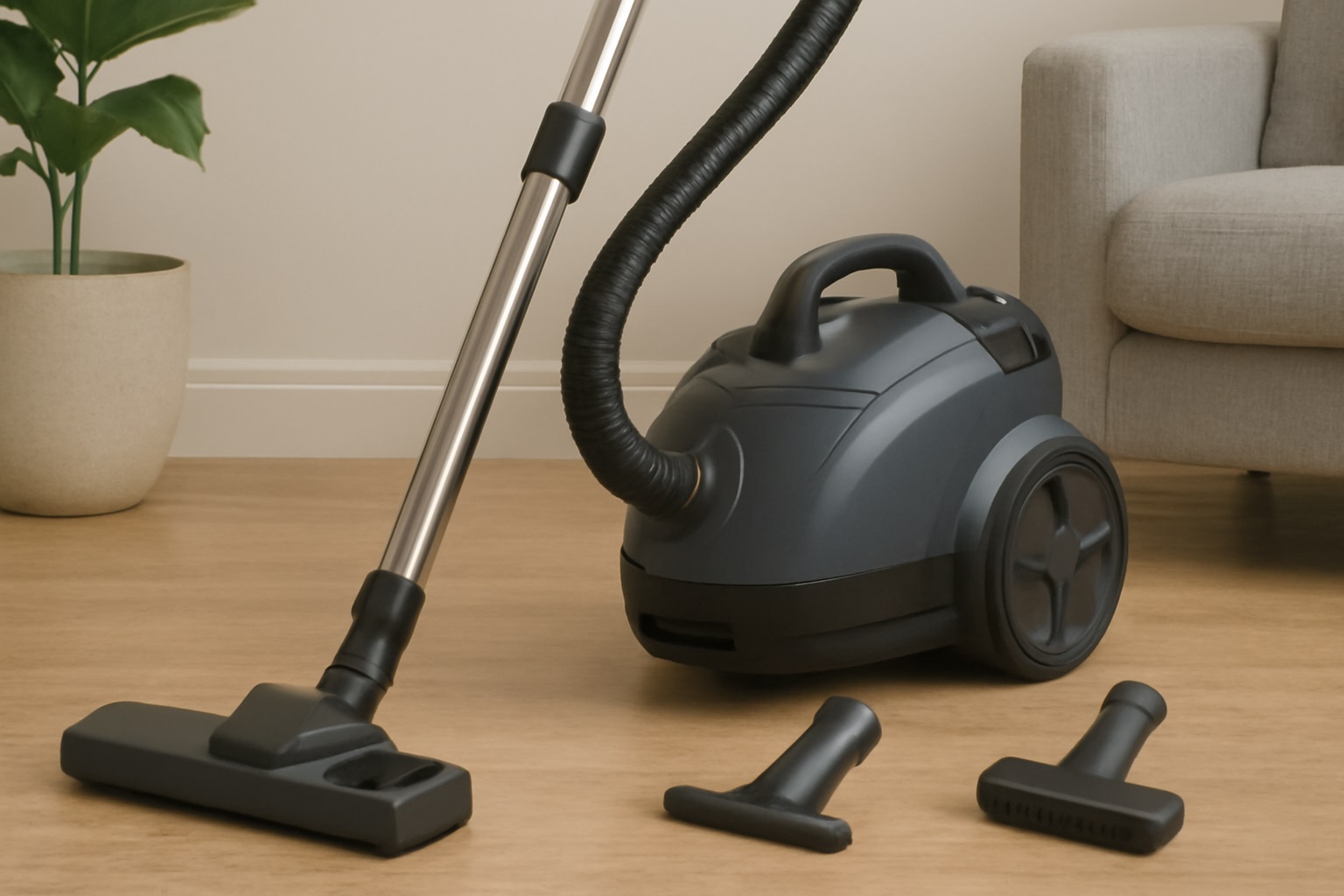
🌟 Introduction: Data-Driven Cleaning with Smart Technology
The world of cleaning is evolving, and at the heart of this transformation is data analysis. Today, smart vacuum cleaners are more than just appliances that suck up dirt—they’re becoming sophisticated, data-driven devices that optimize their performance, save time, and enhance cleaning efficiency. Thanks to artificial intelligence in vacuums, these devices can collect and analyze data in real-time, adapting their cleaning strategies to meet the specific needs of your home.
In this article, we’ll explore how data analysis is revolutionizing the way we clean, from cordless vacuum cleaners to energy-saving efficient powerful vacuum cleaners. We’ll look at how smart vacuum cleaners leverage AI and data to improve cleaning routines, conserve energy, and provide a deeper level of convenience.
🧠 1. The Role of Data Analysis in Smart Vacuum Cleaners
Data analysis in smart vacuum cleaners allows these devices to continuously improve their cleaning performance by learning from past experiences. By gathering data from sensors, cameras, and user interactions, smart vacuums can make real-time adjustments to their cleaning patterns. For example, a smart vacuum cleaner might detect a high-traffic area and apply more suction power to clean thoroughly, or it might adjust its path to ensure that it doesn't miss any spots.
Furthermore, artificial intelligence in vacuums allows these devices to recognize the type of floor they are cleaning—whether it’s carpet, hardwood, or tile—and adjust their suction accordingly. Over time, as the vacuum collects more data, it becomes smarter, fine-tuning its movements and cleaning methods for optimal efficiency.
The result? A smart vacuum cleaner that learns how to clean your home better with each use, leading to time-saving and energy-efficient cleaning sessions.
📊 2. How AI and Data Help Optimize Cleaning Paths
One of the most noticeable benefits of data analysis in smart vacuum cleaners is their ability to optimize cleaning paths. Unlike traditional vacuums that follow random patterns, AI-powered vacuums use data analysis to plan the most efficient cleaning route based on room layout, obstacles, and the amount of dirt detected.
For instance, cordless vacuum cleaners with advanced sensors can map out the layout of your home, identify furniture, and decide where to go next. They’ll avoid obstacles like chairs and tables and clean around corners efficiently. As the vacuum runs, it constantly updates its map and adjusts its route, ensuring a thorough and speedy cleaning session.
With data-driven analysis, these smart vacuums can cover more ground in less time, providing a cleaner home with minimal manual effort. Over time, this optimization process ensures that your vacuum cleaner becomes more efficient and effective at navigating your home.
⚡ 3. Energy Efficiency: Saving Time and Power with Data
One of the greatest advantages of smart vacuum cleaners is their ability to optimize energy consumption. Data analysis allows these vacuums to determine when and where to apply the most power and when to conserve energy. For example, a high suction vacuum cleaner can use more power when cleaning deep carpet stains but switch to a lower power setting for routine surface cleaning.
Energy-saving efficient powerful vacuum cleaners use data to assess cleaning conditions and adjust their power settings to match the job. If the vacuum detects minimal dirt, it might reduce suction, extending battery life without compromising cleaning performance. Similarly, smart vacuums can be programmed to clean only when necessary, avoiding energy waste and ensuring longer runtimes.
With energy-saving features powered by data analysis, these vacuums not only clean your home more effectively but also help you save on energy costs, making them an environmentally friendly option for everyday use.
🧳 4. Cordless Vacuum Cleaners: Data and Battery Optimization
Battery life is always a concern with cordless vacuum cleaners, but with data analysis, this issue is becoming easier to manage. Smart vacuum cleaners equipped with data sensors can monitor their battery levels, cleaning intensity, and runtime to optimize the battery's efficiency. When battery levels are low, the vacuum may automatically adjust its suction power or cleaning patterns to extend its runtime and ensure the entire cleaning session is completed.
In addition, the vacuum can be set to recharge at the most convenient times based on your schedule or when it detects areas that require less intensive cleaning. This type of battery optimization, driven by data analysis, ensures that cordless vacuum cleaners always have enough power to finish the job without interruptions.
🏠 5. Household Vacuum Cleaners: Data-Driven Performance for Every Room
Whether you have a small apartment or a large house, household vacuum cleaners can benefit from the power of data analysis. Smart vacuum cleaners equipped with artificial intelligence can automatically adjust their cleaning strategies based on the specific room they are in. For example, upright vacuum cleaners might switch to higher suction when cleaning thick carpet or switch to a gentler setting for hardwood floors.
AI allows smart vacuums to recognize the unique characteristics of different rooms—such as size, layout, and floor type—and adjust cleaning modes accordingly. Data analysis also helps vacuum cleaners detect dirt buildup in specific areas and optimize cleaning time for greater efficiency. This means that every room in your house gets cleaned thoroughly, with the right level of power and attention.
🌿 6. The Future of Smart Vacuum Cleaning: Even Smarter Systems
The future of smart vacuum cleaners powered by data analysis is promising. As these devices continue to evolve, we can expect even smarter systems that are capable of more complex tasks. AI and data analysis will allow these vacuums to adapt to changing conditions and cleaning needs in real-time, making them more autonomous and efficient.
For example, future high suction vacuum cleaners might automatically identify the best cleaning times based on your lifestyle, avoiding peak electricity hours to save energy. Advanced sensors could allow vacuums to detect specific types of dirt—like allergens or pet hair—and optimize their cleaning methods accordingly. As the artificial intelligence in vacuums continues to improve, we’ll see even more powerful and customized cleaning experiences that make keeping your home spotless easier than ever.
🌟 Conclusion: Cleaning Smarter with Data Analysis
The integration of data analysis in smart vacuum cleaners is revolutionizing the way we clean. By harnessing the power of artificial intelligence, these vacuums are becoming more intelligent, energy-efficient, and optimized for every cleaning job. Whether you're using a cordless vacuum cleaner, a high suction vacuum cleaner, or a vacuum cleaner for allergies, data analysis ensures that your vacuum works smarter, not harder.
As the technology continues to evolve, we can expect even more powerful vacuums that learn from your cleaning habits, adapt to your home’s unique needs, and deliver the best possible results while saving time and energy. The future of home cleaning is here—and it’s powered by data.
Hashtags:
SmartVacuumCleaner, ArtificialIntelligenceInVacuums, UprightVacuumCleaners, HouseholdVacuumCleaners, CordlessVacuumCleaner, EnergySavingEfficientPowerfulVacuumCleaner, DataDrivenCleaning, VacuumTechnology, SmartCleaning, VacuumInnovation, AIinVacuum, VacuumOptimization, EfficientHomeCleaning, BatteryOptimization, Lanxstar.