Hi, message us with any questions.
We're happy to help!





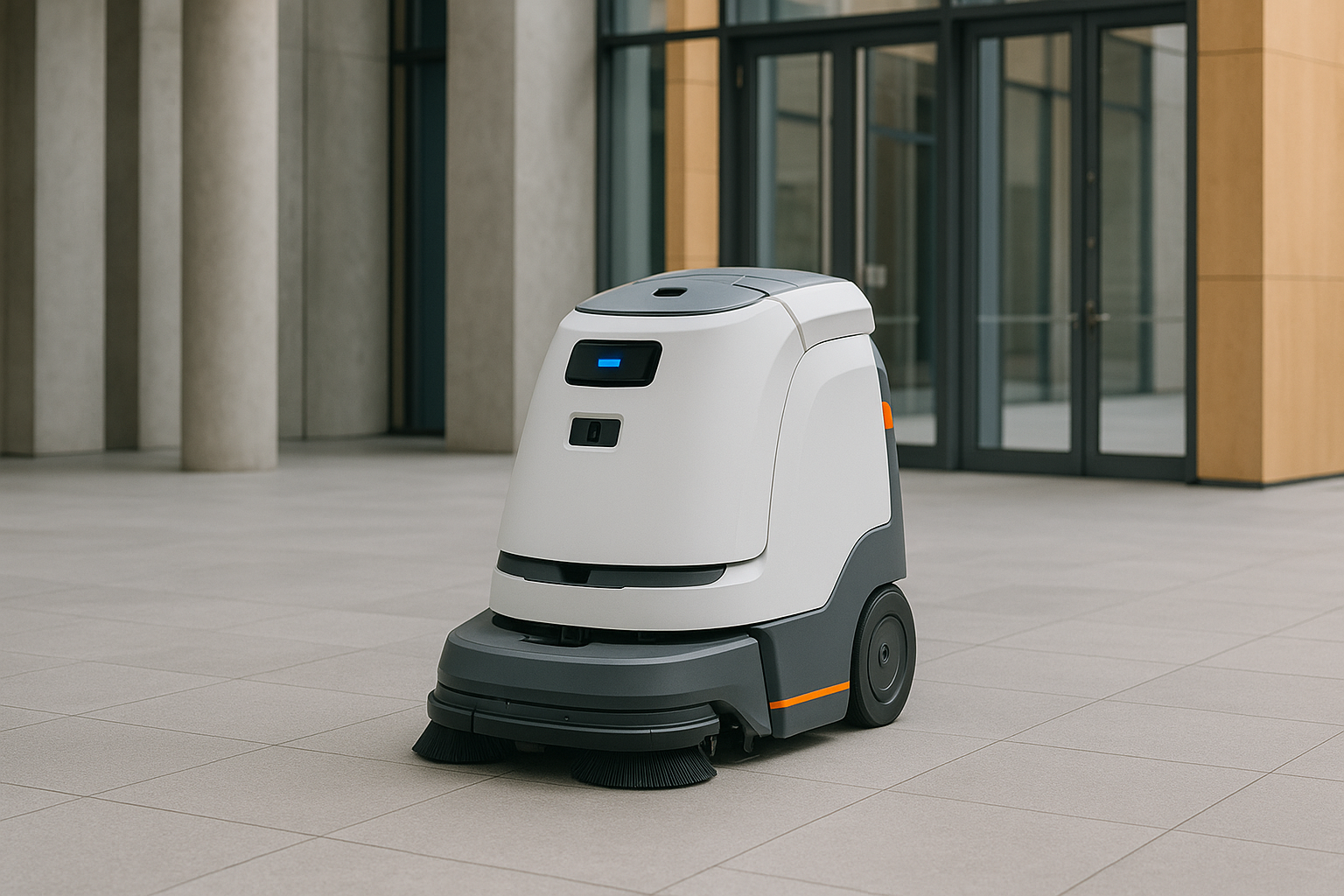
The global cleaning industry is entering a new era defined by automation, robotics, and smart technology. Driven by labor shortages, rising operational costs, and stricter sanitation requirements in the post-pandemic world, commercial cleaning robots are witnessing unprecedented adoption across industries.
These robots are no longer futuristic concepts—they are practical, data-driven, and highly efficient cleaning tools used in airports, hospitals, shopping malls, schools, logistics centers, hotels, and corporate buildings.
Today’s leading robots integrate advanced vacuum systems such as High Suction Vacuum Cleaner motors, HEPA Filter Vacuum Cleaner modules, and Wet Dry Vacuum Cleaners into their designs. This synergy of robotics and smart vacuum engineering is transforming the entire cleaning landscape.
This article explores the investment boom, market opportunities, and applications of commercial cleaning robots worldwide.
1. Why Commercial Cleaning Robots Are Booming 📈
Several powerful trends are fueling the global rise of autonomous cleaning robots.
Key market drivers:
✔ Persistent labor shortages
✔ Increasing labor costs
✔ Growing demand for 24/7 cleaning
✔ Post-pandemic hygiene requirements
✔ Adoption of smart building technology
✔ Rising energy efficiency expectations
Robots with integrated vacuum systems—such as 4 in 1 Cordless Smart Wet & Dry Vacuum Cleaner modules—offer cost savings, automation, and performance far beyond manual cleaning tools.
2. Investment Trends in Commercial Cleaning Robotics 💰📊
Venture capital and enterprise investments in cleaning robotics have accelerated rapidly.
Investment growth areas include:
📍 AI-powered navigation systems
📍 HEPA-enabled vacuum modules
📍 Multi-functional wet–dry cleaning
📍 IoT fleet management platforms
📍 Battery efficiency enhancement
📍 Autonomous charging docks
The integration of vacuum technology creates smarter, more capable robots that can replace multiple traditional cleaning tools.
Governments and large corporations are also investing in robotics to support national hygiene goals and ESG sustainability standards.
3. Key Technologies Powering Cleaning Robots ⚙️🚀
Modern commercial cleaning robots combine:
a) Smart Vacuum Technology
🔥 High Suction Vacuum Cleaner motors
🔥 Energy-Saving Efficient Powerful Vacuum Cleaner engineering
🔥 Fast Lightweight Vacuum Cleaner components
These deliver effective floor cleaning across carpets, tiles, hardwood, and marble.
b) HEPA Filtration for Air Quality 🌬️🛡️
Robots use HEPA Filter Vacuum Cleaner systems to trap bacteria, viruses, pollen, and dust—ideal for hospitals, offices, and public buildings.
c) Wet–Dry Capability 💧🧹
Robots integrating:
Wet Dry Vacuum Cleaners
Wet and Dry Vacuum Cleaner
Large-Capacity Wet Dry Vacuum Cleaner
can handle spills, stains, dust, and debris in one pass.
d) IoT & AI Navigation 📡🧠
Smart robots include:
LiDAR
3D mapping
Obstacle recognition
AI route optimization
Real-time reporting
Facilities can monitor devices through cloud dashboards.
4. Commercial Applications Across Industries 🌍
Commercial cleaning robots are already used in:
🏬 Shopping malls & retail centers
High foot traffic demands continuous cleaning. Robots maintain floors throughout the day.
🛫 Airports & transportation hubs
Robots support nighttime and 24/7 cleaning cycles.
🏥 Hospitals & clinics
Smart robots with HEPA remove allergens and reduce contamination risks.
🏨 Hotels & hospitality
Quiet robots with Portable Quiet Vacuum Cleaner components clean lobbies and hallways without disturbing guests.
🏢 Office buildings & corporate campuses
Robots optimize cleaning schedules in hybrid work environments.
🏭 Factories & warehouses
Durable robots using Multi-Functional Durable Vacuum Cleaner systems handle industrial debris.
🏫 Schools & universities
Robots clean large corridors and common areas efficiently.
5. Cost Efficiency & ROI of Cleaning Robots 📉💡
Robots significantly reduce long-term cleaning expenses.
Key ROI benefits:
✔ Lower labor cost
✔ Reduced downtime
✔ Continuous 24/7 cleaning
✔ Consistent quality
✔ Eliminated repetitive labor injuries
✔ Lower chemical and water usage
✔ Reduced electricity consumption
With Energy-Saving Efficient Powerful Vacuum Cleaner integration, robots maintain high suction with minimal energy consumption.
6. Safety & Hygiene Improvements 🦠✨
Robots minimize exposure to:
High-touch surfaces
Biohazards
Allergens
Contaminated waste
Chemical cleaners
HEPA vacuums amplify hygiene improvements by filtering airborne contaminants.
This is essential for hospitals, airports, and government buildings.
7. The Role of Cordless and Lightweight Components 🔋⚡
Robot vacuums incorporate cordless components from:
Cordless Vacuum Cleaner
Li-ion Cordless Handheld Vacuum Cleaner
cordless handheld vacuums
Benefits:
✔ Lightweight construction
✔ Longer operating cycles
✔ Efficient battery use
✔ Minimal maintenance
These improve efficiency and extend the robot’s runtime between charges.
8. Wet–Dry Robot Models Replace Multiple Cleaning Tools 💧🤖
Next-generation robots combine:
✔ Vacuuming
✔ Sweeping
✔ Washing
✔ Drying
Wet–dry robotic vacuums eliminate the need for separate:
Mops
Buckets
Separate dry vacuums
Manual scrubbing devices
This supports greener, simpler, and more cost-effective facility management.
9. Challenges & Future Opportunities 🔎🌐
Challenges include:
⚠️ High initial costs
⚠️ Maintenance of smart components
⚠️ Need for regular software updates
⚠️ Integration with legacy facility systems
Future opportunities:
🚀 AI-driven deep learning
🚀 Cloud-based fleet management
🚀 Multi-floor navigation robots
🚀 Voice-controlled units
🚀 Solar-powered or ultra-efficient models
🚀 Robots with replaceable vacuum modules (wet-dry + HEPA)
Robotics and vacuum technology will continue merging into highly advanced cleaning ecosystems.
10. Conclusion: The Future of Commercial Cleaning Is Robotic 🤖🌍
The commercial cleaning robot boom is fundamentally reshaping global facilities management. With integrated smart vacuum systems—HEPA filtration, high suction, wet–dry capability, quiet motors, and cordless efficiency—robots offer unmatched productivity, hygiene, and cost savings.
As investments continue and technology evolves, cleaning robots will become standard equipment in every major commercial environment worldwide.
50 Tags
High Suction Vacuum Cleaner, Portable Quiet Vacuum Cleaner, Self-Cleaning Vacuum Cleaner, Multi-Functional Durable Vacuum Cleaner, Fast Lightweight Vacuum Cleaner, Energy-Saving Efficient Powerful Vacuum Cleaner, Large-Capacity Wet Dry Vacuum Cleaner, Li-ion Cordless Handheld Vacuum Cleaner, Wet Dry Vacuum Cleaners, 4 in 1 Cordless Smart Wet & Dry Vacuum Cleaner, cordless handheld vacuums, Cordless Vacuum Cleaner, Car Vacuum Cleaner, quiet vacuum cleaner, wet dry vacuum, Portable Vacuum for Travel, HEPA Filter Vacuum Cleaner, Apartment Vacuum Cleaner, Wet and Dry Vacuum Cleaner, Quiet Vacuum for Night Use, Vacuum Cleaner for Pet Hair, Vacuum Cleaner for Hardwood Floors, best vacuum on a budget, best budget hoover, good budget vacuum, best affordable vacuum, best budget vacuum, best value for money hoover, best value hoover, best vacuum cleaners on a budget, best vacuums on a budget, good budget vacuum cleaner, vacuums procurement, vacuum cleaner distribution, Lanxstar, industrial vacuum supplier, commercial wet dry vac, cordless cleaning equipment, smart auto-clean vacuum, handheld vacuum for car detailing, hotel cleaning vacuum, home cleaning vacuum, HEPA filtration system vacuum, portable car cleaner, lightweight smart vacuum, rechargeable cordless vacuum, pro-grade suction vacuum, multi-surface vacuum cleaner, dual-tank wet dry cleaner.



