Hi, message us with any questions.
We're happy to help!





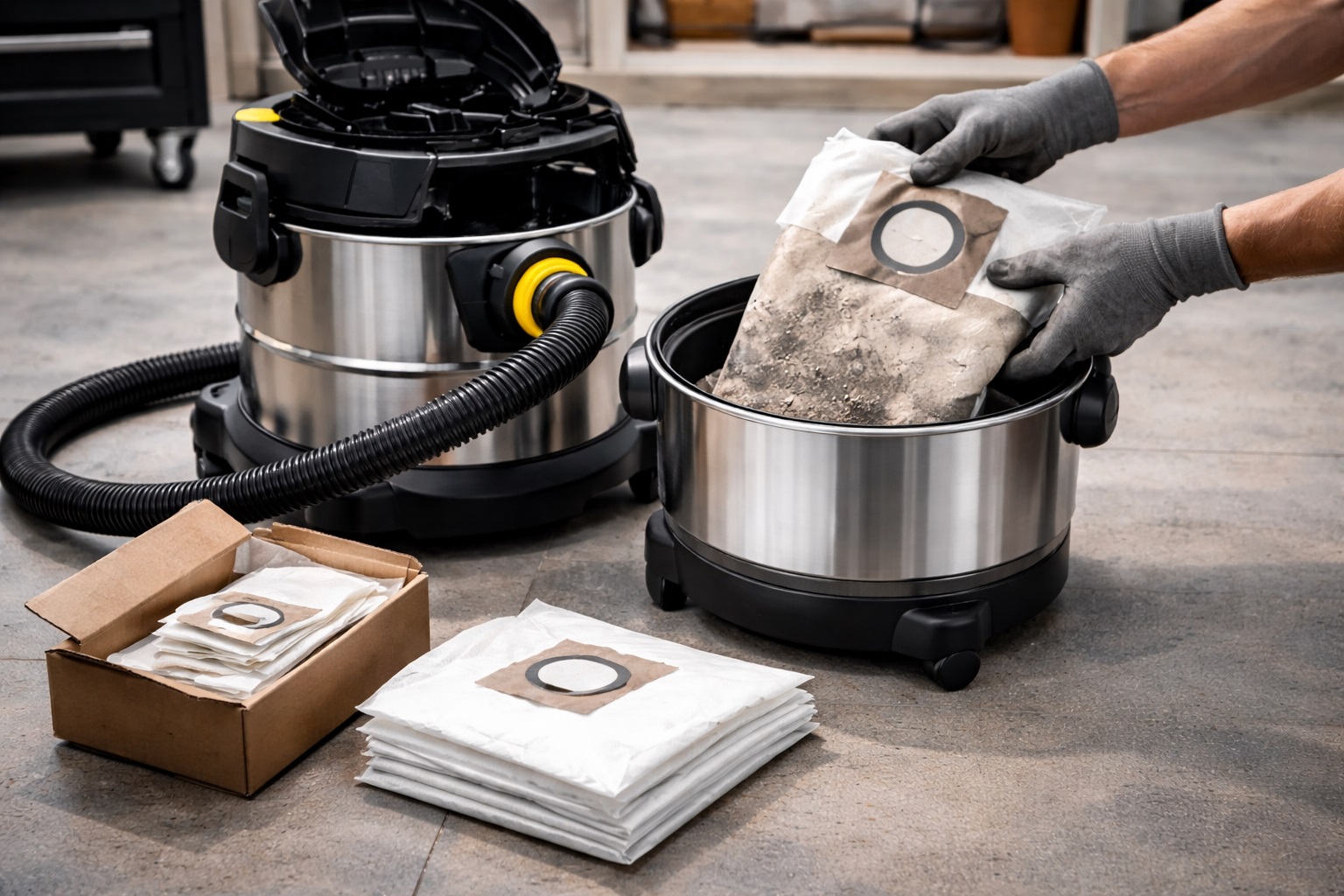
Barrel vacuum cleaners are known for their powerful suction and efficient cleaning capabilities, making them a popular choice for both household and commercial use. One important aspect of maintaining a barrel vacuum cleaner is regularly checking and replacing the filter bags. A clogged or full filter bag can significantly reduce the vacuum’s suction power and make it less effective at picking up dirt and debris. In this guide, we will walk you through the steps on how to check and replace the filter bags in your barrel vacuum cleaner, helping to ensure your vacuum continues to perform at its best.
Why is It Important to Check and Replace the Filter Bags?
The filter bag in a barrel vacuum cleaner plays a crucial role in trapping dirt, dust, and allergens. Over time, the bag fills up with debris, and once it’s full, it can no longer capture particles effectively. This leads to reduced suction, and in some cases, can even damage the motor due to increased strain. Regularly checking and replacing the filter bag will ensure that your vacuum maintains its suction power, prevents motor damage, and helps improve air quality by trapping allergens.
Case Study:
A user of a Multi-Functional Durable Vacuum Cleaner noticed a significant drop in suction power after several months of use. After checking the filter bag, it was found to be completely full. Replacing the filter bag restored the vacuum’s suction, and the user reported a noticeable improvement in cleaning performance. This example highlights the importance of regularly checking and replacing the filter bag to maintain optimal vacuum efficiency.
Types of Filter Bags in Barrel Vacuum Cleaners
Before you begin the process of checking and replacing the filter bag, it’s important to know what type of filter bag your vacuum cleaner uses. Here are the most common types of filter bags:
Cloth Filter Bags: These are reusable bags that can be cleaned and emptied. They are often used in commercial vacuums or high-capacity models.
Paper Filter Bags: These are disposable bags that are often used in residential and portable vacuum models. Once full, they should be replaced with a new one.
HEPA Filter Bags: These bags are designed to capture fine dust and allergens, making them ideal for households with allergy sufferers or pets.
Multi-Layered Filter Bags: Some models come with multi-layered filter bags that provide additional filtration to trap even more particles.
How to Check the Filter Bags in Barrel Vacuum Cleaners
Checking the filter bag is a simple process, but it is important to do it regularly to maintain optimal performance.
Step 1: Turn Off and Unplug the Vacuum Cleaner
Before checking the filter bag, always make sure the vacuum cleaner is turned off and unplugged to avoid any risk of electric shock or injury.
Step 2: Locate the Filter Bag
In most barrel vacuum cleaners, the filter bag is located inside the dustbin or the vacuum body. Depending on your model, you may need to remove the dustbin or access panel to reach the filter bag.
For Upright Vacuum Cleaners: The filter bag is often located in a compartment inside the vacuum body.
For Wet Dry Vacuum Cleaners: Wet dry vacuums may have a larger, multi-functional filter bag that requires more frequent checks.
For Cordless Vacuum Cleaners: Many cordless models use smaller, lightweight filter bags that should be checked frequently due to their compact design.
Step 3: Check the Bag for Fullness
Once the filter bag is located, carefully inspect it for any signs of fullness. In most cases, the bag will be visible, so you can check the fill level by looking inside.
If the bag is half to two-thirds full, it’s generally time to replace or empty it.
If the bag is completely full, it’s important to replace or empty it immediately to prevent any loss of suction power.
Step 4: Inspect for Damage
While checking the filter bag, take a moment to inspect it for any signs of wear or damage. If the bag is torn or has holes, it will no longer be effective at trapping dust and debris, and it should be replaced.
Step 5: Clean the Area Around the Bag
Before replacing the filter bag, check the area inside the vacuum where the bag fits. Clean any dust or debris that may have accumulated to prevent clogging when the new bag is installed.
How to Replace the Filter Bags in Barrel Vacuum Cleaners
Replacing the filter bag is a simple but important task to maintain suction power and prevent motor damage. Here are the steps to replace the filter bag in your barrel vacuum cleaner:
Step 1: Remove the Full Bag
Once you've checked that the bag is full or damaged, remove it from the vacuum body. In most barrel vacuum models, the bag can be easily detached by unclipping or unhooking it from the vacuum body.
For Paper Filter Bags, simply pull the bag out and dispose of it.
For Cloth Filter Bags, if they are reusable, carefully empty the debris into a trash bin and shake out any dust.
Step 2: Insert the New Bag
Once the old filter bag is removed, insert a new filter bag into the vacuum body. Make sure it’s securely attached to the vacuum’s inlet or clip system to ensure proper fit.
For Paper Filter Bags, ensure the bag is fully seated in place so that it won’t slip out during use.
For Cloth Filter Bags, ensure it is properly aligned and secured before use.
Step 3: Check for Proper Fit
Before closing the vacuum, double-check that the new filter bag is properly positioned. If it's a reusable bag, ensure that it’s clean and free of tears or holes.
Step 4: Close the Dustbin or Compartment
Once the new bag is installed, close the dustbin or compartment where the filter bag is housed. Make sure the compartment is sealed properly to avoid dust or debris from escaping.
How Often Should You Replace the Filter Bag?
The frequency of replacing the filter bag depends on several factors, including the size of the vacuum, the type of debris you’re cleaning, and how often you use the vacuum. As a general guideline:
For Household Vacuum Cleaners: Check and replace the filter bag every 1-2 months, or sooner if you notice a drop in suction power.
For Wet Dry Vacuum Cleaners: If using the vacuum for wet debris, clean or replace the filter bag more frequently to prevent moisture buildup.
For Cordless Vacuum Cleaners: These often have smaller bags, so check them more regularly to maintain suction.
Tips for Maintaining Your Barrel Vacuum Cleaner’s Filter Bag:
Use the Correct Bag: Always use the recommended filter bag type for your specific model to ensure optimal performance.
Empty the Bag Regularly: Don’t wait until the bag is completely full. Empty it when it reaches half-full to maintain suction power.
Check for Leaks: Regularly check the filter bag for tears or holes. A damaged bag can cause debris to leak out, affecting your vacuum’s efficiency.
Avoid Vacuuming Large Debris: Large debris can cause the filter bag to fill up quickly and may damage it. Avoid vacuuming heavy or large items.
Conclusion
Properly checking and replacing the filter bag in your barrel vacuum cleaner is essential for maintaining optimal performance. A full or damaged bag can severely reduce suction power and affect cleaning efficiency. By following the simple steps outlined in this article, you can ensure that your vacuum cleaner continues to work at its best, providing powerful and effective cleaning every time.
Hashtags:
UprightVacuumCleaners, HouseholdVacuumCleaners, MultiFunctionalDurableVacuumCleaner, WetDryVacuumCleaners, CordlessVacuumCleaner, ApartmentVacuumCleaner, VacuumBagReplacement, VacuumCleanerMaintenance, SuctionPowerMaintenance, VacuumCleanerCare,Lanxstar