Hi, message us with any questions.
We're happy to help!





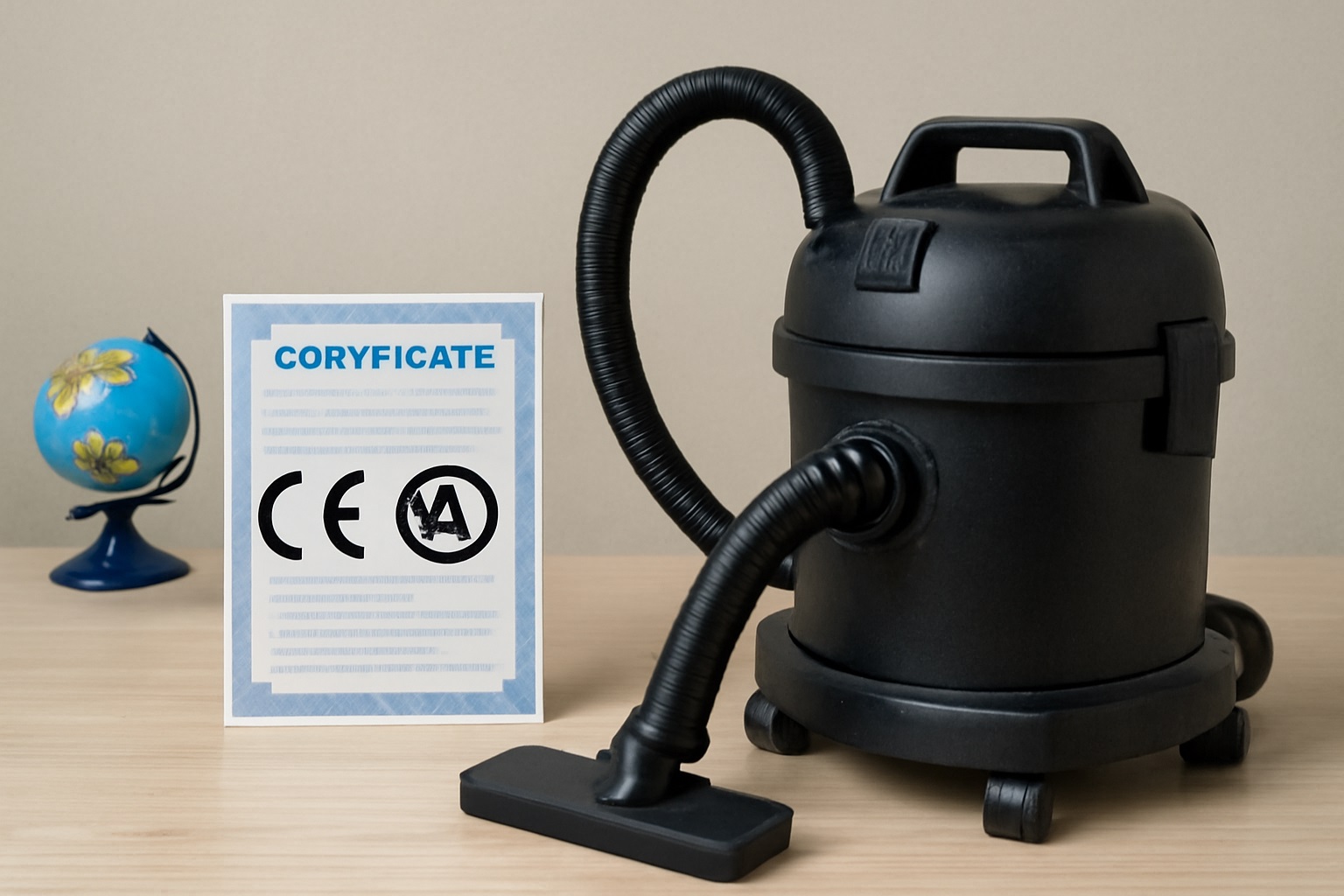
🧑💼 Introduction: The Importance of Certification in International Procurement
In the global market, the procurement of vacuum cleaners and other household products for cross-border trade requires careful attention to regulatory standards. CE, UL, and other international certifications play a vital role in ensuring that products meet safety, performance, and environmental standards required by various countries. For businesses involved in the import or export of products like Upright Vacuum Cleaners, Household Vacuum Cleaners, and specialized models like High Suction Vacuum Cleaners or Cordless Vacuum Cleaners, understanding these certifications and their significance is crucial for seamless international transactions.
This article will explore the importance of certifications in cross-border procurement and provide key considerations for businesses looking to ensure that their products comply with international standards.
🔍 1. Understanding International Certification Requirements
1.1 What is CE Certification?
The CE mark indicates that a product complies with European Union (EU) safety, health, and environmental protection regulations. It is a mandatory certification for products sold in the European Economic Area (EEA). For businesses exporting products such as High Suction Vacuum Cleaners, Cordless Vacuum Cleaners, or other household appliances, obtaining CE certification ensures that the products meet EU standards, providing both market access and consumer confidence.
1.2 What is UL Certification?
The UL (Underwriters Laboratories) certification is a global safety certification recognized primarily in North America. Products that carry the UL mark have been tested for safety and performance according to strict industry standards. For vacuum cleaner manufacturers, obtaining UL certification for products like Vacuum Cleaners for Pet Hair or Quiet Vacuum for Night Use is essential for entering the U.S. and Canadian markets, where UL is a widely recognized standard.
⚙️ 2. Key Considerations for Export and Cross-Border Procurement
2.1 Safety and Performance Standards
For businesses engaged in cross-border procurement, it is essential to understand the safety and performance standards of the destination country. For example, when exporting Upright Vacuum Cleaners to Europe, the product must meet the requirements of CE certification, which includes safety tests for electrical and mechanical safety, electromagnetic compatibility, and noise levels. Likewise, when importing products into North America, UL certification will be required to ensure the products meet safety standards related to electrical hazards and fire risks.
2.2 Environmental Impact and Energy Efficiency
International certifications also focus on the environmental impact of products. For example, Energy Efficiency standards are important for products like Cordless Vacuum Cleaners and High Suction Vacuum Cleaners, as many regions have regulations aimed at reducing energy consumption. Certification schemes like ENERGY STAR or EU EcoDesign ensure that the product meets energy-saving standards. In some markets, meeting these standards may not only be a requirement but also a competitive advantage.
2.3 Legal Compliance and Import Restrictions
Different countries may have unique import restrictions and legal requirements for certain products. For instance, certain materials or chemicals used in the production of vacuum cleaners may not be permitted in certain countries. A product without the proper CE or UL certification could face delayed shipments, fines, or rejection at customs. Companies must also ensure their products comply with packaging and labeling regulations, which are often part of these certifications.
🔄 3. The Role of Certification in Building Trust and Ensuring Market Access
3.1 Gaining Consumer Confidence
Consumers are increasingly aware of product safety and quality. Certifications such as CE and UL provide consumers with the assurance that products have been tested for safety and performance according to rigorous international standards. For products like Vacuum Cleaners for Pet Hair or Quiet Vacuum for Night Use, certifications help establish trust, as customers expect high performance and safety when purchasing home appliances.
3.2 Expanding Market Reach
Achieving the necessary certifications opens doors to new markets. For example, UL certification is essential for gaining access to the North American market, where it is required for electrical products. Similarly, CE certification is crucial for entering the European market, and for many other regions, obtaining these certifications ensures that products meet local regulatory requirements. This access to wider markets can significantly increase business opportunities.
🔑 4. The Certification Process: Steps to Compliance
4.1 Testing and Documentation
To obtain certifications like CE or UL, the first step is to undergo testing in an accredited laboratory. For vacuum cleaners such as Upright Vacuum Cleaners or Household Vacuum Cleaners, these tests might include safety checks, performance evaluations, and environmental impact assessments. Documentation of the product's design, materials, and compliance with relevant standards is also required.
4.2 Certification Agencies and Costs
The cost of certification varies depending on the product and certification body. UL certification typically requires product testing, submission of technical documentation, and an evaluation of manufacturing processes, which could take several months and incur costs. CE certification, while more straightforward in some cases, also involves compliance with European Union regulations and requires a technical file demonstrating that the product meets all applicable EU directives.
4.3 Ongoing Compliance and Audits
Once a product is certified, ongoing compliance is necessary. This may include routine inspections, audits, and testing, particularly for High Suction Vacuum Cleaners or Cordless Vacuum Cleaners, where performance over time is a critical factor. Manufacturers must ensure that their production processes remain compliant and that any changes to the product design are re-evaluated and certified.
💡 5. Challenges and Solutions in Cross-Border Procurement
5.1 Navigating Regulatory Complexity
For businesses managing exports or cross-border procurement, navigating the complexity of different regulatory environments can be challenging. In addition to CE and UL, some regions may require other certifications or approvals, depending on the product type. For instance, Vacuum Cleaners for Pet Hair may need additional certifications for the materials used or for allergen control.
Solution: Partnering with an experienced certification body or compliance consultant can help streamline the process and reduce the risk of compliance issues.
5.2 Cost and Time Considerations
Obtaining certifications can be a lengthy and costly process. For small and medium enterprises (SMEs) looking to enter international markets, the upfront costs and time associated with certification might be daunting.
Solution: Investing in certifications can be viewed as a long-term investment. Many suppliers offer bulk certification services, which can reduce costs for businesses looking to certify multiple products at once.
✅ Conclusion: Ensuring Compliance for Successful International Trade
Obtaining CE, UL, and other international certifications is essential for companies involved in the export and cross-border procurement of products like Upright Vacuum Cleaners, Household Vacuum Cleaners, and specialized models such as High Suction Vacuum Cleaners and Cordless Vacuum Cleaners. These certifications not only ensure that products meet regulatory standards but also help businesses gain consumer confidence, expand market reach, and reduce the risk of costly compliance issues. By understanding the certification process and the considerations involved, businesses can ensure smooth and successful international trade.
Hashtags: Lanxstar, HighSuctionVacuumCleaner, CordlessVacuumCleaner, VacuumCleanerForPetHair, QuietVacuumForNightUse, UprightVacuumCleaners, HouseholdVacuumCleaners, CECertification, ULCertification, ExportProcurement, InternationalCertification, VacuumSafetyStandards, CrossBorderTrade, VacuumProductCompliance, VacuumPerformance, GlobalMarketAccess



