Hi, message us with any questions.
We're happy to help!





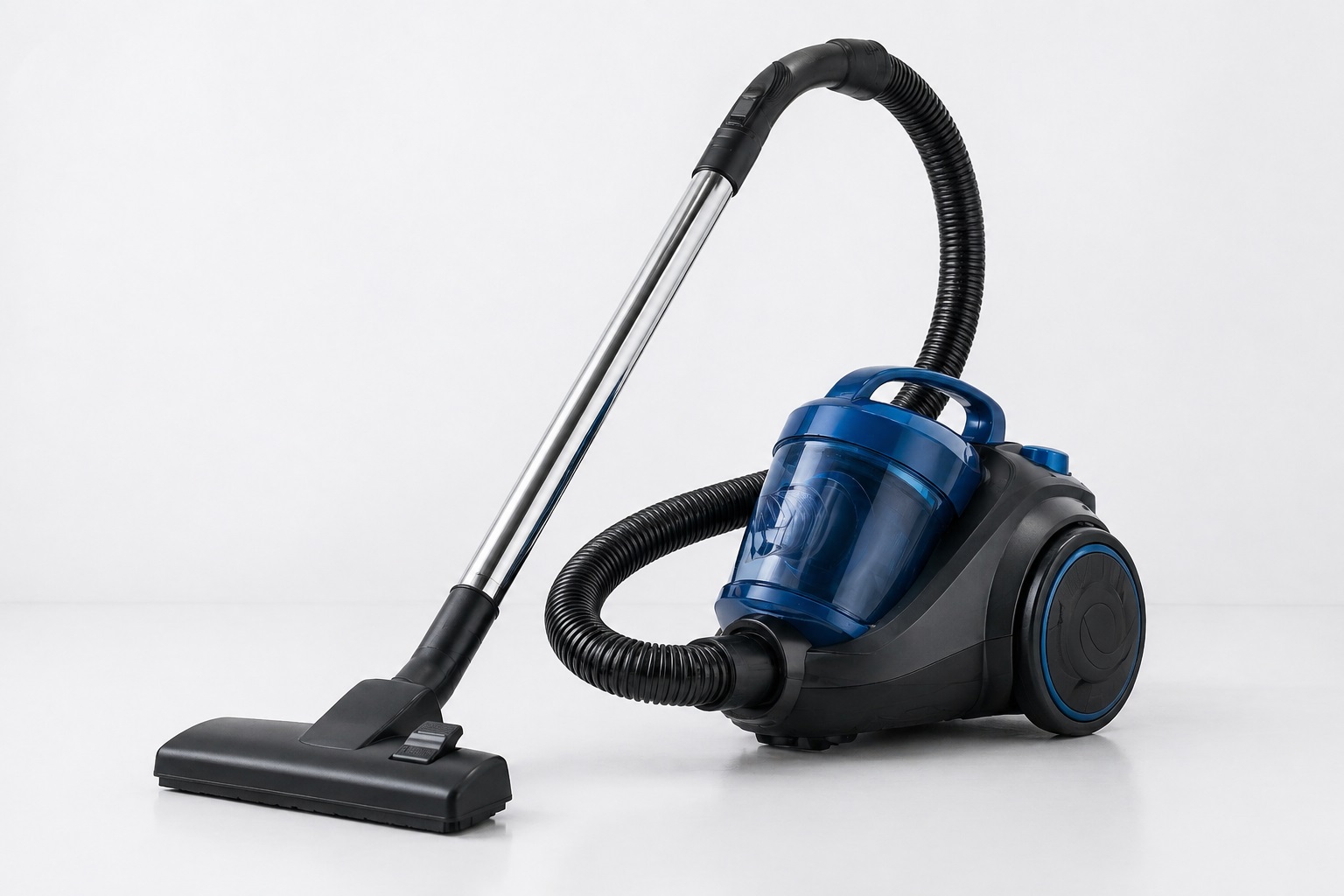
In the European appliance market, compliance is not a formality—it is a market entry barrier.
According to industry audits, over 30% of imported small appliances in the EU contain documentation inconsistencies, leading to delays, relabeling, or even product recalls.
Yet many buyers still believe that:
👉 A CE mark automatically means full compliance
This assumption is one of the most expensive mistakes an EU importer can make.
If you're sourcing a CE certified vacuum cleaner for EU importers, this guide provides a practical compliance framework—not theory—to help you reduce risk and choose the right manufacturer or exporter.
🧭 What “CE Certified Vacuum Cleaner” Really Means
The CE mark is often misunderstood.
✅ What It Actually Confirms
The product meets EU safety, health, and environmental requirements
A conformity assessment has been completed
Technical documentation exists
❌ What It Does NOT Guarantee
Third-party verification (not always required)
Product consistency across batches
Correct application of all EU directives
📌 Key Insight:
CE marking is a self-declaration system—not a quality certification.
⚠️ Why EU Importers Still Face Compliance Failures
Even when working with experienced manufacturers or exporters, issues arise due to:
Misaligned documentation
Incorrect directive coverage
Certificate reuse across models
Poor labeling compliance
📌 Case Study: Dutch Importer Faced Customs Hold
Background: Importer sourcing entry-level vacuum cleaners from Asia
Situation: Supplier confirmed CE compliance
What happened:
Supplier insisted documents were valid
Importer skipped detailed verification
Customs flagged mismatch between product model and DoCResult:
Shipment delayed 6 weeks
Additional lab testing required (€3,500 cost)
👉 Transferable Insight:
Compliance failure often comes from trust without verification.
📜 EU Compliance Framework for Vacuum Cleaners
To legally sell a CE certified vacuum cleaner, compliance must cover:
🔧 1. Low Voltage Directive (LVD)
Electrical safety requirements
🌐 2. EMC Directive
Electromagnetic interference control
⚡ 3. ERP Directive
Energy efficiency and eco-design
☣️ 4. RoHS Directive
Restriction of hazardous substances
🧪 5. REACH Regulation
Chemical safety compliance
📌 Key Insight:
CE marking is the result of multi-directive compliance—not a standalone process.
🧪 How to Verify Vacuum Cleaner Certification (Step-by-Step)
🔍 1. Declaration of Conformity (DoC)
Check:
Exact product model
Applicable directives
Manufacturer details
Signature authenticity
🔬 2. Test Reports
Issued by recognized labs (SGS, TÜV, Intertek)
Match product specifications
📁 3. Technical File
Includes:
Risk assessment
Design documentation
Test records
📌 Case Study: Italian Distributor Avoided Market Ban
Background: Importing ~10,000 units/year
Initial assumption: Supplier documents were valid
What changed:
Internal compliance check revealed certificates reused from another modelDecision:
Switched manufacturer before placing orderResult:
Avoided potential product ban and reputational damage
👉 Transferable Insight:
Always verify compliance at model level—not supplier level.
✅ EU Importer Compliance Checklist (Highly Recommended)
Before confirming any order, verify:
DoC matches exact model number
Test reports issued by credible labs
CE marking format and placement
Labeling language complies with EU market
Technical file is complete and accessible
ERP and RoHS directives are included
Supplier has export history to EU
👉 If 2 or more items are unclear—do not proceed with the order.
🏭 Why Some Manufacturers Fail EU Compliance
Understanding supplier limitations helps reduce risk.
❌ Common Manufacturer Issues
Reusing certificates across multiple SKUs
Lack of in-house compliance knowledge
Weak document management systems
No update tracking for EU regulations
📌 Key Insight:
A factory may produce good products—but still fail compliance.
👉 This is why choosing the right vacuum cleaner exporter matters.
💰 The Real Cost of Non-Compliance
📌 Case Study: French Retail Supplier Product Recall
Issue: Incorrect power labeling
Root cause: Outdated compliance template used by manufacturer
Result:
Product recall across 3 retail chains
Loss exceeding €50,000
👉 Transferable Insight:
Minor compliance errors can escalate into major financial damage.
🔍 Expanding Search Strategy (High-Intent Traffic)
To capture more qualified buyers:
CE certified vacuum cleaner supplier
vacuum cleaner EU compliance manufacturer
vacuum cleaner exporter Europe certification
vacuum cleaner safety standard EU
👉 These keywords bring import-ready decision makers
🚀 Advanced Strategy: Building a Low-Risk Import System
🧪 1. Pre-Shipment Compliance Audit
Verify documents before shipment
📦 2. Batch-Level Testing
Test production samples—not just prototypes
📑 3. Documentation Control System
Maintain:
Version tracking
Digital archives
🤝 4. Long-Term Supplier Alignment
Work with suppliers who understand EU compliance deeply
🏁 Conclusion
Sourcing a CE certified vacuum cleaner for EU importers is not about getting a certificate.
It’s about building a compliance system that ensures:
Documentation accuracy
Regulatory alignment
Product consistency
👉 Before choosing a supplier, ask yourself:
Are you buying a product—or a compliant system?
📌 Suitable Audience
EU vacuum cleaner importers
Compliance managers
B2B procurement professionals
Appliance distributors
📌 Hashtags
CE certified vacuum cleaner, vacuum cleaner certification EU, vacuum cleaner EU compliance, vacuum cleaner safety standard, CE vacuum cleaner supplier, vacuum cleaner manufacturer exporter, vacuum cleaner importer Europe, EU compliance vacuum cleaner, RoHS vacuum cleaner supplier, ERP vacuum cleaner Europe, LVD vacuum cleaner certification, EMC vacuum cleaner compliance, vacuum cleaner technical file EU, Declaration of Conformity vacuum cleaner, CE marking vacuum cleaner, vacuum cleaner compliance checklist, vacuum cleaner exporter China EU, vacuum cleaner certification verification, vacuum cleaner testing report EU, vacuum cleaner safety requirements Europe, vacuum cleaner import regulation EU, vacuum cleaner compliance audit, vacuum cleaner batch testing, vacuum cleaner documentation EU, vacuum cleaner supplier certification, vacuum cleaner OEM compliance, vacuum cleaner private label EU, vacuum cleaner import risk Europe, vacuum cleaner compliance partner, vacuum cleaner engineering compliance, vacuum cleaner quality control EU, vacuum cleaner certification process, vacuum cleaner regulatory compliance, vacuum cleaner CE marking guide, vacuum cleaner certification cost EU, vacuum cleaner import checklist, vacuum cleaner EU directives, vacuum cleaner compliance strategy, vacuum cleaner safety testing, vacuum cleaner importer guide, vacuum cleaner product certification, vacuum cleaner compliance documentation, vacuum cleaner certification verification process, vacuum cleaner export Europe compliance, vacuum cleaner customs EU, vacuum cleaner product approval EU, vacuum cleaner legal requirements Europe, vacuum cleaner compliance system, vacuum cleaner certification risk, Lanxstar



