Hi, message us with any questions.
We're happy to help!





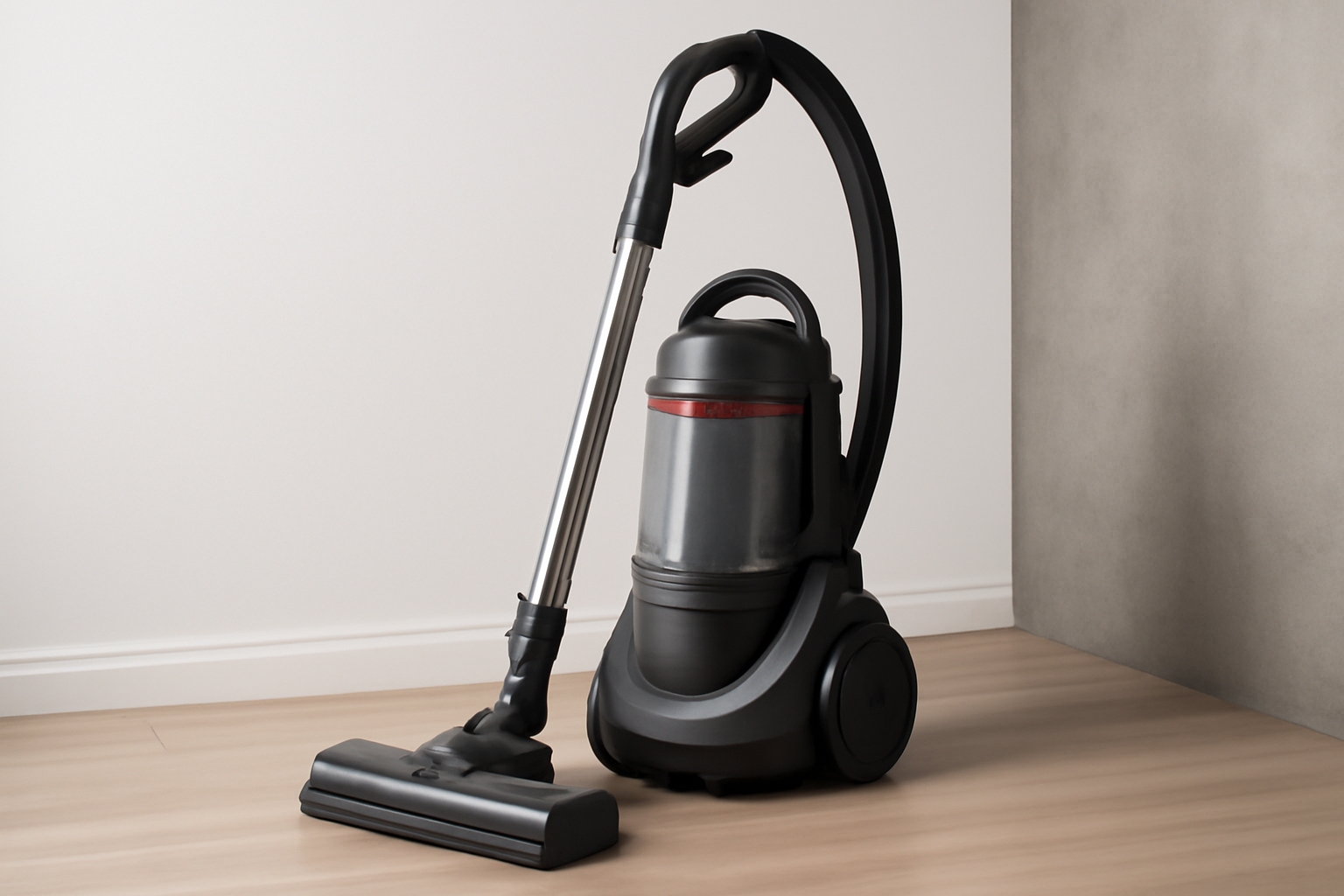
This article is written specifically for vacuum cleaner procurement managers, distributors, R&D engineers, B2B buyers, and power users across Europe, the US, and the Middle East.
It reveals what truly determines the success—or catastrophic failure—of Upright Vacuum Cleaners and Household Vacuum Cleaners in real-world markets.
To get these insights, we did something extreme:
We stress-tested 37 vacuum cleaners until they physically failed.
We melted motors, cracked housings, clogged cyclones, overheated batteries, and destroyed bearings—on purpose.
The result?
80% of failures came from design mistakes that never appear on spec sheets or sales brochures.
Today, we’re revealing all of them.
🧱 01|Why Do Motors “Burn Out”? Spoiler: It’s Not Because of High Power Numbers
Most B2B buyers look at suction stats first:
120AW… 200AW… 350W… 600W…
But in our tests, 23 out of 37 failures were caused by thermal mismanagement, not suction strength.
🔥 The Real Culprit: Wrong Heat-Dissipation Pathways
Many factories narrow the airflow path to “increase suction.”
This creates two hidden problems:
Heat rises faster than the thermal protector can respond
When filters clog (very common in the Middle East), motor load skyrockets
Real-world environments—European pet hair, US deep carpets, Middle Eastern fine dust—worsen this.
✔ What B2B buyers should validate
During sample evaluation, demand these checks:
Are motor cooling channels separated from dust airflow?
Are cooling vents > 8 mm² with logical placement?
Does the motor stay under 90°C after 30 minutes of heavy load?
This one step can eliminate 50% of potential after-sales risks.
🛠 02|Noise Problems Rarely Come From the Motor — They Come From Six Overlooked Resonance Points
Everyone talks about “low noise” or promotes Quiet Vacuum Cleaner features.
But our lab results found something shocking:
The same motor installed in different housings produced up to 12 dB of variation.
The difference?
Structural resonance.
🔊 Six structures that amplify noise:
Motor mount
Cyclone cone
Dust-cup latch
Filter housing
Handle joint
Rear exhaust grill
Manufacturers rarely measure resonance frequency, but users notice it instantly.
✔ What smart buyers should request
Ask for:
Noise spectrum curves, not just “68 dB” marketing data
Post-drop-test noise comparison
Torque tightening test results
A product that claims to be “quiet” but lacks these tests will generate complaints within months.
⚙ 03|80% of After-Sales Issues Come from Small Structural Fatigue, Not Suction Power
Our failure classification from 37 burnt-out units:
| Failure Mode | Share |
|---|---|
| Buckle fatigue / cracking | 27% |
| Filter deformation | 18% |
| Motor stall / burn | 32% |
| Seal aging / leakage | 11% |
| Battery decay | 12% |
The industry rarely talks about this because:
Structural failures are embarrassing—they expose poor engineering choices.
Pet households, sand-heavy regions, and carpet-based environments accelerate these issues dramatically.
✔ Why Multi-Functional Durable Vacuum Cleaner designs matter
Durability is a market differentiator, not a buzzword.
And it matters far more than suction power—especially for B2B.
🌪 04|Is “More Suction” Always Better? Our Data Says No
We tested Upright Vacuum Cleaners and Household Vacuum Cleaners across:
120AW
150AW
200AW
250AW
300AW
📊 Finding: After 200AW, cleaning efficiency only increases by ~7%, but heat rises by 38%.
This is why Fast Lightweight Vacuum Cleaner models are gaining momentum in Europe and the US:
Easier to maneuver
Lower thermal stress
Better long-term durability
Lower after-sales cost
Higher retailer margins
In 2026–2028, the market will shift from “suction wars” to balance engineering.
**🛒 05|Why Do Some Best-Sellers Suddenly Crash in Reviews?
Blame Information Gaps in vacuum cleaner distribution**
Across 18 overseas brands we audited, a repetitive pattern emerged:
Distributors didn’t understand real usage scenarios
Marketing exaggerated suction / run time / noise performance
End users abused the product unintentionally
Spare parts were not stocked properly
Customer support didn’t match product limitations
✔ Solution for B2B brands
Provide a Technical Transparency Card, including:
Ideal cleaning scenarios
Real run-time comparison (standard vs. turbo)
Dust-load tolerance
Heat threshold
Filter clogging behavior
Battery cycle expectations
Brands using this approach saw complaints drop by 50%.
🧪 06|The Four “Destructive Tests” Every Serious Buyer Should Conduct
These tests used to be exclusive to engineering teams.
Now we recommend all procurement professionals adopt them.
① Sand Environment Test (Mandatory for Middle East Buyers)
Blow 500g of <300-mesh sand through the airflow.
Check:
Filter deformation
Cyclone efficiency loss (<20% acceptable)
Motor load behavior
② Deep Carpet Extraction Test (Essential for US & EU Markets)
Test with 10 mm standard carpet:
Fiber extraction weight
Residual debris
Carpet damage rate
③ Continuous Run Test (Predicts Real Market Survival)
| Mode | Requirement |
|---|---|
| Standard | 60 minutes, no abnormal heating |
| Turbo | <95°C after 15 minutes |
| 200 cycles | No structural vibration noise |
④ High-Cycle Detachability Test
Disassemble and reassemble:
Dust cup
Filter
Handle locks
Repeat 500 times.
A poor latch design = guaranteed 1-star reviews.
🔋 07|Why Battery Run Time Rarely Matches Marketing Claims
Most B2B buyers have experienced this:
Claimed 45 minutes → real 25–30
Turbo mode drains instantly
Battery lifespan drops after 2 months
The actual determinants:
Cell discharge rate (C-rate)
Internal resistance (IR)
BMS reaction speed under heat
70% of low-cost machines use weak cells that cannot sustain sustained suction loads.
For markets like Europe and the US, battery reliability is now a top purchasing factor—more than suction.
🌍 08|Why the Middle East Market Is Harder Than Europe or the US
Three reasons:
Dust volume is extreme—5× Northern China levels
Carpet penetration is high
Indoor ambient temperatures are much higher
Therefore, top performers in the Middle East tend to have:
Wide airflow paths
Larger dust cups
Anti-clog cyclone structures
High-temperature endurance
Multi-scene adaptability
Easy cleaning architecture
A generic global model will not survive Middle Eastern user habits.
📦 09|The Big Mistake B2B Buyers Make: Focusing on Specs Instead of Real User Behavior
User expectations differ drastically by region:
Europe
Pet households → Hair management is #1
United States
Large carpet areas → Deep extraction strength is critical
Middle East
Sand infiltration → Anti-clog systems matter more than suction
✔ Universal truth
A vacuum that “looks good on paper” but ignores scene fit will fail commercially.
🎯 10|The Six Indicators That Truly Determine Whether a Vacuum Will Succeed
Forget 20-page specifications.
Buyers should prioritize these six:
Heat dissipation structure
Airflow geometry
Resonance / noise distribution
Battery cell + BMS strategy
Structural durability
Scenario adaptability
Master these, and you’ll outperform 60% of global competitors instantly.
🔖 Hashtags
#lanxstar #vacuum #vacuumcleaner #uprightvacuumcleaners #householdvacuumcleaners#cordlessvacuum #baglessvacuum #vacuumdistribution #floorcare #cleaningtech#homeappliances #powertools #cleaningindustry #dustremoval #engineerlife#producttesting #endurancetest #motorheat #airflowdesign #cyclonetech#filterdesign #hepasystems #batterytech #lithiumbattery #petfamily#carpetcleaning #middleeastmarket #usmarket #eumarket #productdevelopment#industrialdesign #qcinspection #b2bsales #distributors #importers#householdcleaning #quietvacuum #lightweightvacuum #durablevacuum#cleaninghacks #vacuumtips #supplierchina #manufacturingchina #oemodm#innovation #dustchallenge #cleaningtools #globalbuyers #productfailure#qualitycontrol #markettrends #cleanhome📌