Hi, message us with any questions.
We're happy to help!





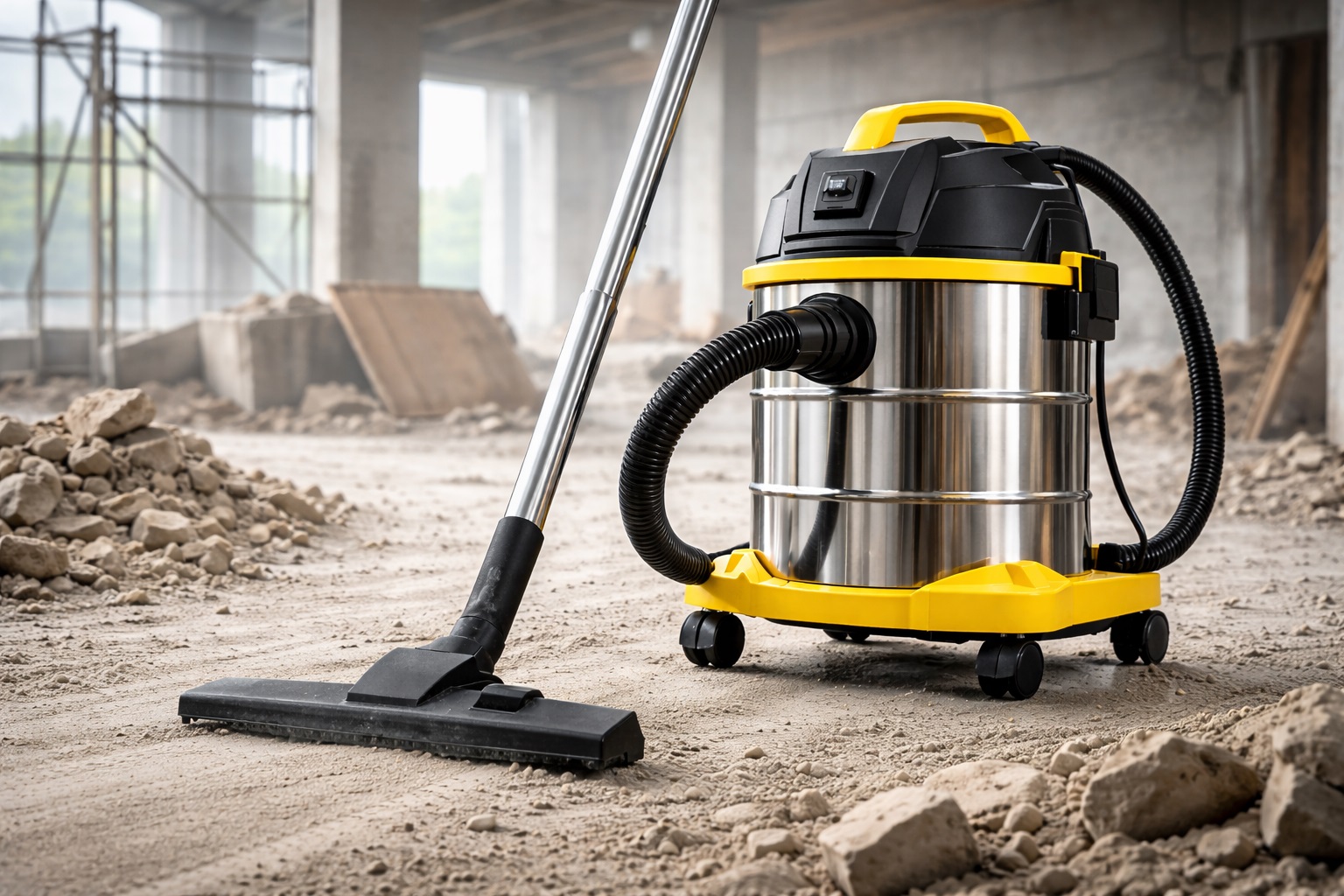
When it comes to construction sites, dust management is a major concern. Construction dust, especially fine particles like silica, can pose serious health risks, create unsanitary work environments, and even interfere with the quality of work. That's where a vacuum for construction dust becomes essential. This guide explores the best vacuums for construction dust in 2026, providing insights on what features to look for, product recommendations, and how to select the right equipment for your needs.
1. 🌟 Why Dust Control Matters on Construction Sites
Construction dust isn't just a nuisance; it has significant health, safety, and operational impacts. Fine particles, like silica dust, can cause respiratory issues and long-term diseases such as silicosis. Beyond health concerns, dust can hinder the precision of work, damage equipment, and increase cleaning costs.
By investing in the best vacuum for construction dust, contractors can:
Improve Air Quality: Ensure that workers are protected from respiratory hazards.
Increase Productivity: Reduce downtime and distractions caused by dusty environments.
Ensure Compliance: Meet OSHA and other regulatory standards for dust control.
A high-quality construction site vacuum can significantly enhance the work environment, safety, and overall project efficiency.
2. 🔍 Key Features to Look for in the Best Vacuum for Construction Dust
To choose the best vacuum for construction dust, several key features must be considered:
A. High Suction Power
For heavy-duty construction cleaning, high suction power is a must. Vacuums with motors in the 1.5 to 3 HP range can handle both fine dust and larger debris, ensuring that you don’t need multiple devices to get the job done.
Data Point: A high-powered vacuum can reduce cleaning time by up to 40% compared to manual cleaning methods on large job sites.
B. Large Capacity Tank
Construction vacuums should have large tanks (20-30 gallons) to handle large volumes of dust and debris without frequent emptying. This helps minimize downtime and ensures continuous operation.
Example: A 20-gallon tank vacuum on a large construction site can save 1-2 hours per day in downtime spent emptying tanks.
C. Durability
Construction vacuums need to be rugged. Look for machines built with durable materials like steel or heavy-duty plastic that can withstand the rough conditions of a construction site.
Example: A steel tank vacuum is more resistant to damage from tools, debris, and other heavy materials found on construction sites than its plastic counterparts.
D. HEPA Filtration
For capturing fine dust particles, HEPA filtration is a must. HEPA filters trap particles as small as 0.3 microns, which are common on construction sites. This ensures that the air remains clean and safe for workers.
Data Point: A HEPA filter can capture up to 99.97% of particles, significantly reducing dust exposure on the job site.
E. Portability and Maneuverability
Construction sites vary in size, layout, and terrain, making it essential to have a vacuum that is easy to move around. Look for vacuums with large, durable wheels or caster wheels for easy maneuvering in tight spaces.
3. 🏗️ Top Wet-Dry Vacuums for Construction Dust in 2026
Here are some of the best vacuum for construction dust models available in 2026. These vacuums are designed to handle the demanding environment of construction sites, with features that make dust extraction efficient and effective.
A. Bosch VAC090A 9-Gallon Dust Extractor
The Bosch VAC090A is a compact, powerful vacuum designed for medium-sized construction sites. It offers a 9-gallon tank and HEPA filtration to capture fine dust. It’s ideal for professionals working with power tools that produce significant dust.
Pros:
Integrated HEPA filter.
Compact and portable design.
High suction power for fine dust.
Ideal For: Smaller construction projects or renovation jobs.
B. DEWALT DXV10P 10-Gallon Wet/Dry Vacuum
The DEWALT DXV10P is a heavy-duty vacuum that offers a 10-gallon tank and strong suction. It’s designed to handle both wet and dry debris, making it a versatile choice for construction sites where both types of waste are common.
Pros:
Large 10-gallon tank.
Wet and dry functionality.
Powerful suction for dust and debris.
Ideal For: Larger job sites where both dust and liquid spills need to be cleaned.
C. Festool CT 36 E HEPA Dust Extractor
The Festool CT 36 E is a premium vacuum that is perfect for professional contractors. It offers HEPA filtration and a 36-liter (approximately 9.5 gallons) tank. It’s designed for continuous, high-performance cleaning.
Pros:
Premium HEPA filtration.
Compact yet large tank capacity.
Durable and ideal for fine dust.
Ideal For: Professionals needing top-tier dust extraction and portability.
D. Shop-Vac 925-23 Heavy Duty Vacuum
The Shop-Vac 925-23 offers a 16-gallon capacity, making it ideal for large construction sites. It’s built for heavy-duty cleaning, with a powerful motor that effectively handles dust and debris.
Pros:
Large 16-gallon capacity.
High suction power.
Easy-to-maintain design.
Ideal For: Heavy-duty construction sites with large amounts of debris.
4. 🛠️ OEM Wet-Dry Vacuum Solutions for Construction
Many contractors prefer OEM wet-dry vacuum options because they can be customized to suit specific needs. OEM wet-dry vacuum manufacturers can provide tailored solutions such as:
Custom tank sizes.
Specialized nozzles or attachments.
Unique filtration systems designed for hazardous materials or fine dust.
Example: An OEM vacuum might include an explosion-proof motor or anti-static hose for construction sites dealing with flammable or explosive dust.
5. 💡 Contractor Vacuum Cleaners: How to Make the Right Choice
Choosing the right contractor vacuum cleaner depends on the scale and specific needs of your construction project:
For Small to Medium Projects: Choose a vacuum with a medium-sized tank (10-20 gallons) and strong HEPA filtration.
For Large Projects: Opt for vacuums with larger tanks (20-30 gallons) and superior suction power to handle extensive dust and debris.
For Hazardous Dust: Look for vacuums with additional safety features like explosion-proof motors or anti-static filtration to ensure safe operation on sensitive sites.
6. 🏅 Best Practices for Maintaining Construction Site Vacuums
Proper maintenance is crucial to keep your vacuum for construction dust running smoothly. Here are some best practices:
Clean Filters Regularly: Dust buildup can clog filters and reduce suction. Clean or replace filters frequently to maintain optimal performance.
Inspect Hoses and Attachments: Ensure that hoses are free of blockages and that attachments are in good condition.
Check for Leaks: Ensure seals and connections are intact to prevent dust from escaping during operation.
Conclusion
Choosing the best vacuum for construction dust in 2026 can significantly improve air quality, safety, and productivity on construction sites. Whether you opt for a contractor vacuum cleaner, an OEM wet-dry vacuum, or a high-powered construction site vacuum, the right equipment will help you tackle dust efficiently and effectively.
By understanding the essential features to look for and considering the unique needs of your site, you can make an informed decision that will benefit both your workers and your overall project success.
Hashtags
WetDryVacuumManufacturer, WetDryVacuumSupplier, OEMWetDryVacuum, VacuumForConstructionDust, ContractorVacuumCleaner, ConstructionSiteVacuum, HeavyDutyWetDryVacuum, IndustrialVacuumForConstruction, DustControlVacuum, BestVacuumForConstructionSites, CommercialVacuumForConstructionDust, DustExtractionVacuum, WetDryVacuumCustomization, IndustrialDustVacuum, HEPAConstructionVacuum, ShopVacConstruction, FestoolDustExtractor, BoschDustExtractor, DEWALTDustVacuum, ConstructionDebrisVacuum, ProfessionalConstructionVacuum



