Hi, message us with any questions.
We're happy to help!





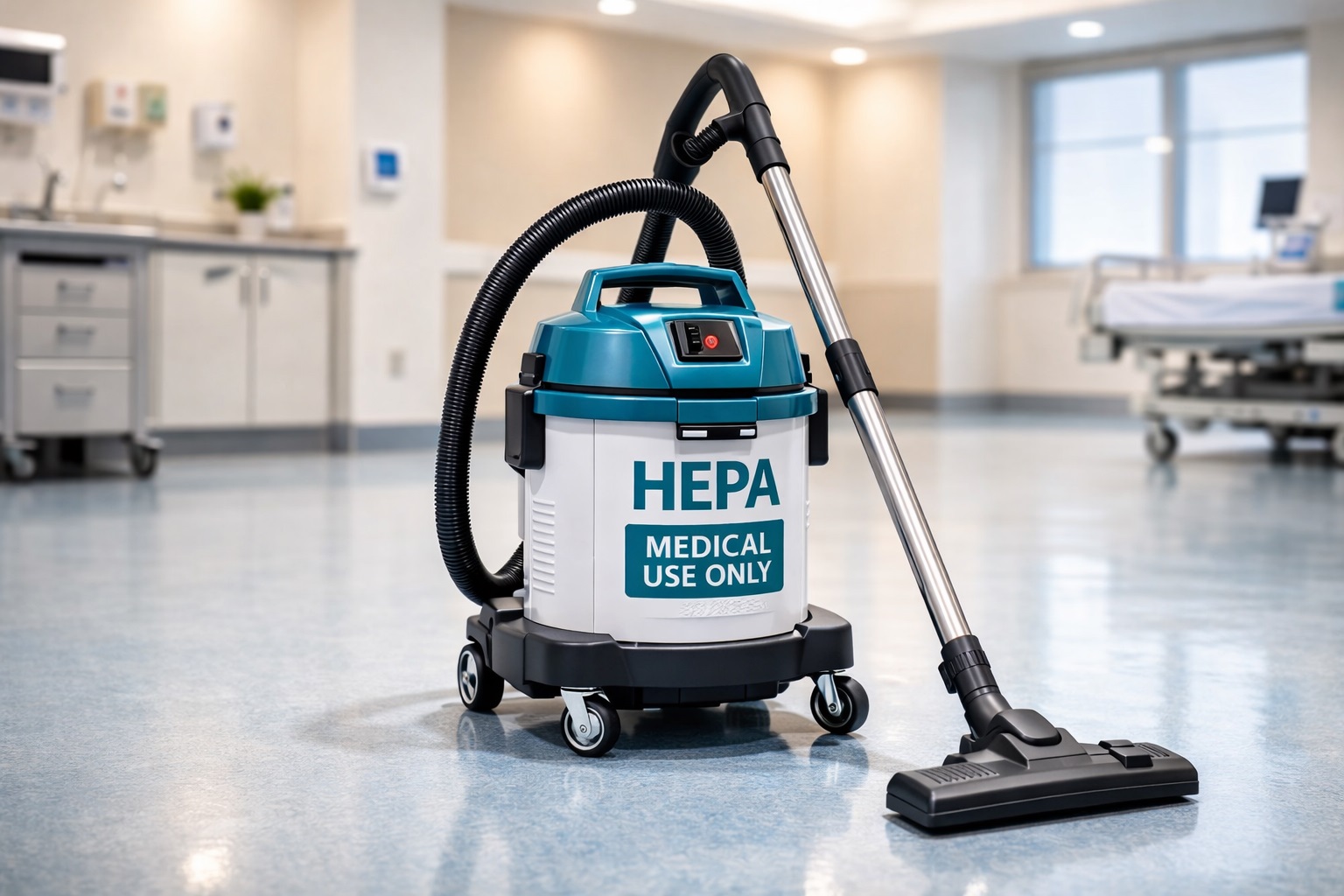
In medical environments such as hospitals, clinics, and healthcare facilities, maintaining a clean and sterile environment is crucial for the health and safety of patients and staff. HEPA vacuum cleaners play a vital role in ensuring that these environments remain free of harmful particles, allergens, bacteria, and viruses that could potentially cause infections. By providing effective air purification, improving cleanliness, and helping with infection control, HEPA vacuums protect everyone within the healthcare facility.
This article will explore the key benefits of using HEPA vacuum cleaners in medical environments, highlighting their role in infection prevention, air quality improvement, and overall patient and staff safety.
1. How HEPA Vacuum Cleaners Improve Air Quality in Medical Environments
One of the most important aspects of maintaining a healthy medical environment is ensuring that the air remains free from harmful particles and contaminants. HEPA (High-Efficiency Particulate Air) filters are designed to trap 99.97% of particles as small as 0.3 microns, which includes dust, bacteria, viruses, and other harmful substances.
Benefits for Air Quality:
Capture Harmful Airborne Pathogens: HEPA vacuums are highly effective in trapping airborne bacteria, viruses, and allergens that could otherwise pose a risk to patients, especially those with compromised immune systems.
Improving Respiratory Health: Clean air is crucial for both patients and healthcare workers. By removing dust, pollen, and other allergens from the air, HEPA vacuums help reduce respiratory issues and improve air quality, contributing to the overall health of the environment.
Infection Control: By capturing airborne pathogens and microorganisms, HEPA vacuums help reduce the likelihood of cross-contamination and the spread of infections within the facility.
2. Infection Control and Prevention with HEPA Vacuum Cleaners
Hospitals and healthcare settings are high-risk areas for infections, and infection control is a top priority. Hospital-acquired infections (HAIs) are a significant concern, and HEPA vacuum cleaners are one of the most effective tools in preventing the spread of these infections.
How HEPA Vacuums Prevent Infections:
Trapping Pathogens: HEPA vacuums are designed to capture even the smallest particles, including bacteria, dust, and mold spores. This helps prevent the spread of infectious diseases and reduces the risk of patients contracting infections from contaminated surfaces or airborne pathogens.
Preventing Cross-Contamination: HEPA vacuums help ensure that harmful particles trapped inside the vacuum’s filter do not escape back into the air or onto surfaces. This is essential in medical environments where strict hygiene is required.
Cleaning Critical Areas: HEPA vacuums can be used to clean high-risk areas such as operating rooms, patient rooms, and sterile zones, where the risk of infection is the highest.
3. Protecting Patients and Staff in Medical Facilities
HEPA vacuum cleaners not only contribute to a cleaner environment but also play a vital role in protecting both patients and healthcare workers from harmful contaminants.
Benefits for Patient Protection:
Preventing Respiratory Issues: Clean air is essential for patients, particularly those who have respiratory issues, such as asthma, COPD, or those recovering from surgery. HEPA vacuums ensure that the air remains free of dust, allergens, and harmful particles that could aggravate these conditions.
Protecting Vulnerable Patients: Patients undergoing treatments such as chemotherapy or those with compromised immune systems are more susceptible to infections. HEPA vacuum cleaners help reduce the presence of harmful microorganisms in the air, offering added protection to these vulnerable individuals.
Benefits for Healthcare Staff:
Maintaining a Safe Work Environment: Healthcare workers are often exposed to contaminated surfaces and pathogens. By improving air quality and cleanliness, HEPA vacuums create a safer work environment, reducing the likelihood of staff members contracting illnesses.
Reducing Sick Days and Absenteeism: By ensuring a clean and safe environment, HEPA vacuums contribute to the overall health of the facility, reducing the likelihood of staff illness and absenteeism.
4. How HEPA Vacuum Cleaners Help Maintain Cleanliness Standards
Maintaining cleanliness is not just about aesthetics—it’s about safety. Healthcare facilities must adhere to strict cleanliness standards to ensure patient safety and compliance with health regulations.
How HEPA Vacuums Ensure Compliance:
Meeting Infection Control Standards: Many healthcare facilities are required to meet specific infection control and hygiene standards. HEPA vacuum cleaners help hospitals and clinics meet these standards by ensuring that airborne pathogens and particles are captured effectively.
Compliance with Health Regulations: Regulatory bodies like the CDC and WHO recommend the use of HEPA vacuum cleaners to maintain infection control in healthcare settings. Using these vacuums helps ensure that your facility is in compliance with health regulations and infection control guidelines.
5. Choosing the Right HEPA Vacuum Cleaner for Your Medical Facility
When selecting a HEPA vacuum cleaner for your medical environment, there are several important factors to consider:
Filtration Efficiency: Make sure the vacuum uses a genuine HEPA filter capable of trapping 99.97% of particles as small as 0.3 microns.
Suction Power: Strong suction ensures that dirt, dust, and pathogens are thoroughly captured, especially in high-traffic areas like hallways and patient rooms.
Noise Levels: Opt for a vacuum that operates quietly to avoid disturbing patients or staff.
Portability and Maneuverability: Choose a lightweight, easy-to-maneuver vacuum to clean tight spaces and hard-to-reach areas in medical facilities.
Durability: Hospitals and clinics require durable cleaning equipment that can withstand frequent use and last over time.
Conclusion
HEPA vacuum cleaners play a vital role in maintaining clean, sterile, and safe medical environments. By improving air quality, preventing infection spread, and protecting both patients and staff, these vacuums contribute to better healthcare hygiene and a safer facility. Investing in high-quality HEPA vacuums ensures that healthcare providers can maintain the highest standards of cleanliness and infection control.
If you're interested in learning more or purchasing, please feel free to contact us at www.lxvacuum.com.
Related Keywords
Benefits of HEPA Vacuum Cleaners, Medical Environment Cleaning, Infection Control Vacuum, HEPA Vacuum for Hospitals, Hospital Air Quality, HEPA Filtration for Medical Facilities, Medical Vacuum Cleaner, Infection Prevention in Healthcare, HEPA Vacuums for Healthcare, Patient Safety Vacuum Cleaner, Hospital Cleaning Solutions, HEPA Filter Vacuum, Lanxstar Vacuums Manufacturer, HEPA Vacuum Cleaner for Infection Control, Healthcare Facility Cleaning, Protecting Staff with HEPA Vacuums, Medical-Grade HEPA Vacuums, Safe Medical Environments with HEPA Vacuum, Hospital Hygiene Vacuum Cleaner, Healthcare Infection Control Tools, Infection-Free Hospital Vacuum, High-Quality Medical Vacuum, Medical Facility Hygiene Standards, HEPA Vacuum for Hospital Floors, Respiratory Health with HEPA Vacuums, Vacuum Cleaners for Hospitals and Clinics, Cleaning Solutions for Healthcare, Patient Safety Equipment, High-Efficiency Vacuum Cleaner for Hospitals, Hospital Disinfection Vacuums, HEPA Vacuum for Healthcare Workers, Professional Hospital Cleaning, HEPA Air Purification for Hospitals, Hospital Infection Prevention Equipment, Safe Medical Facility Vacuum Cleaner, Medical Surface Disinfection Vacuum, HEPA Filtration for Hospital Air, Hospital Safety Vacuum Cleaners, Effective Infection Control Tools for Hospitals, Cleaning Equipment for Medical Environments, Anti-Contamination HEPA Vacuums, Hospital Air Quality Control Equipment, Reliable HEPA Vacuum for Healthcare, HEPA Vacuum for Healthcare Surfaces, Commercial HEPA Vacuum for Hospitals, HEPA Filtration Vacuum for Clinics.