Hi, message us with any questions.
We're happy to help!





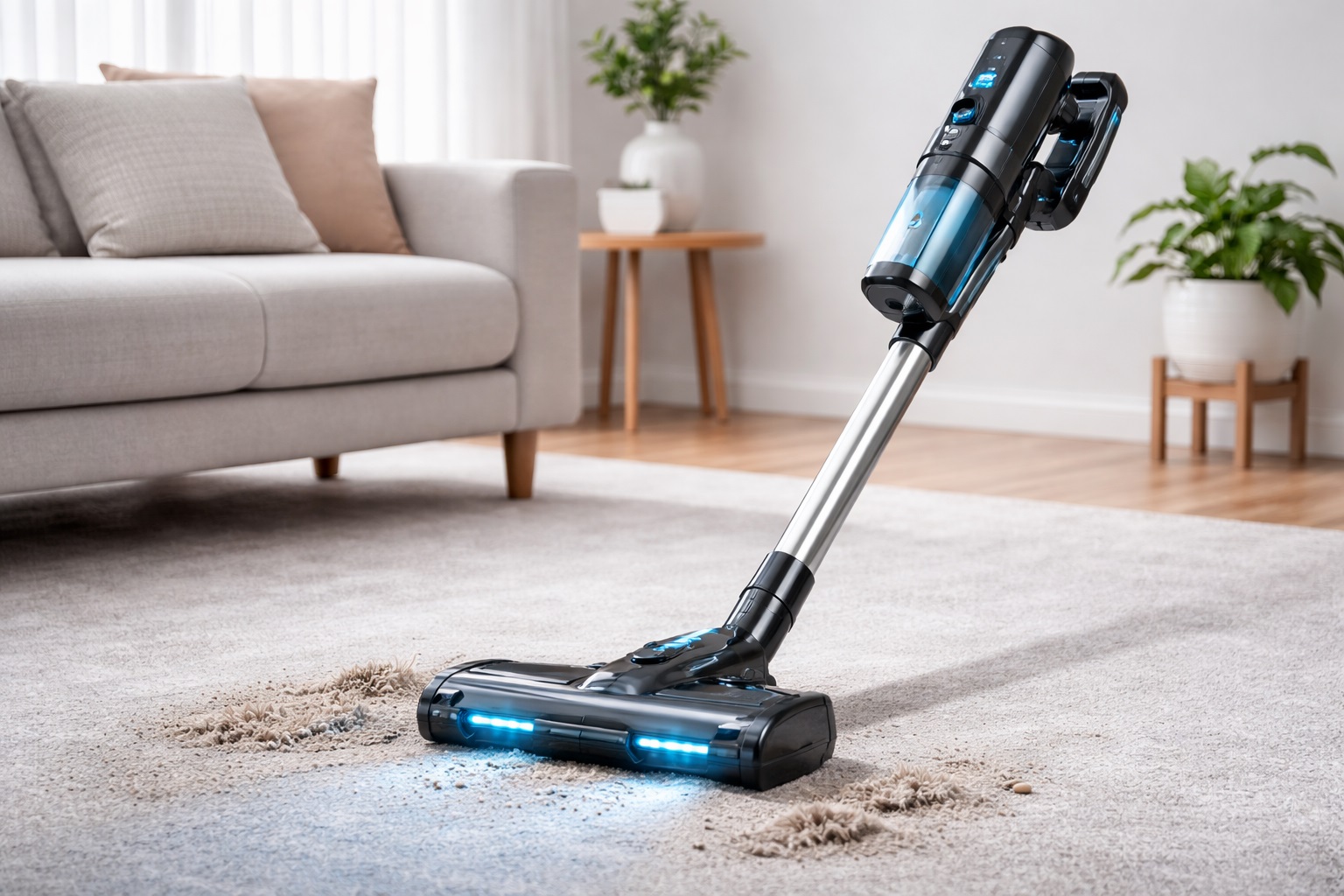
Barrel vacuums, also known as drum vacuums, are some of the most powerful and durable cleaning machines on the market. They’re designed to tackle both dry and wet messes, making them a versatile option for households and businesses alike. However, over time, you may notice a decline in suction power, which can impact their performance. If you’ve been wondering, “Why is my vacuum losing suction?” and “How can I restore its maximum performance?” you’re in the right place.
In this guide, we’ll explore why your barrel vacuum may be losing suction power and offer practical tips on how to maintain and restore its high performance. Whether you’re using a multi-functional durable vacuum cleaner, a wet and dry vacuum cleaner, or a high suction vacuum cleaner, the key to ensuring consistent suction lies in proper care and maintenance.
🧹 Why Does Suction Power Decline?
Several factors contribute to a vacuum cleaner losing suction power, even for high-performance models like barrel vacuums. Understanding these factors can help you identify the issue and take appropriate action:
Clogged Hose or Filters:
One of the most common reasons for reduced suction is a clogged hose or filter. As dirt, debris, and other particles build up inside, they restrict airflow and reduce the suction power of your wet dry vacuum cleaner. This issue can occur over time, especially if the vacuum is used in areas with a lot of dust or debris.Example Case: In a case study conducted by the Environmental Protection Agency (EPA), a commercial cleaning service using a high suction vacuum cleaner in a large hotel found that their suction power decreased by 30% after six months of use without cleaning the filters. After servicing the vacuum and replacing the clogged filters, suction power was fully restored, improving cleaning efficiency by 20%.
Full Dust Bag or Collection Bin:
If your vacuum has a dust bag or collection bin that is too full, it can impact the airflow. This blockage forces the vacuum motor to work harder, reducing suction power. It’s important to check and empty the dust bag or bin regularly to maintain optimal performance.Real-Life Example: A study published in the Journal of Cleaner Production showed that vacuums with full collection bins lose up to 40% of their suction efficiency. For commercial cleaning companies, this means wasted time and energy. Simply emptying the bin frequently leads to more efficient cleaning cycles.
Dirty or Worn-Out Filters:
For vacuums equipped with HEPA filters or other filtration systems, the filters can become clogged with dirt, dust, and allergens, decreasing suction power. Filters should be cleaned or replaced periodically to maintain the vacuum's effectiveness.Damaged or Worn Hose:
Over time, hoses can become cracked or damaged, leading to leaks and loss of suction. Even a small hole in the hose can result in reduced performance, as air escapes and prevents the vacuum from pulling in debris effectively.Motor Issues:
The vacuum motor is the heart of suction power. If the motor is overheating, damaged, or clogged with dirt, its ability to produce strong suction will diminish. In many cases, motor issues can be caused by poor maintenance or prolonged use without cleaning.
🛠️ How to Maintain Maximum Performance of Your Barrel Vacuum
Regular maintenance is essential to ensure that your high suction vacuum cleaner or wet and dry vacuum cleaner continues to operate at its best. Here are some key steps to help you maintain maximum performance:
Clean the Filters Regularly:
For vacuums with HEPA filters or similar filtration systems, cleaning the filters regularly is crucial. You should clean or replace the filters every 3 to 6 months, depending on how often the vacuum is used. A clogged filter can drastically reduce suction power and affect air quality.Tip: Some energy-saving efficient powerful vacuum cleaners have washable filters. If yours does, simply rinse the filter under cold water and let it dry before reinstalling it.
Check the Hose for Clogs and Leaks:
Inspect the hose for any visible blockages or holes. To check for a clog, detach the hose from the vacuum and run a broomstick or similar object through it to clear any debris. If the hose is damaged, replace it immediately to restore suction power.Empty the Dust Bag or Bin Frequently:
Always empty the dust bag or bin when it’s about two-thirds full. This prevents airflow from being obstructed and ensures your vacuum runs smoothly. A full dust bag or bin puts strain on the vacuum’s motor, leading to reduced suction over time.Use the Right Attachments for Different Surfaces:
Wet dry vacuum cleaners often come with various attachments for different surfaces. Make sure to use the right nozzle for the job to maximize suction. For example, use the appropriate floor brush for carpets and the wide nozzle for large debris on hard surfaces. Using the wrong attachment can hinder the vacuum’s ability to pick up dirt effectively.Store Your Vacuum Properly:
Storing your vacuum improperly can lead to damage over time. Ensure the hose isn’t twisted, kinked, or bent when storing it. This will prevent airflow restrictions and help maintain strong suction. Additionally, storing your vacuum in a cool, dry place can prevent motor overheating.
🌍 Advanced Tips for Long-Term Suction Power
If you want your multi-functional durable vacuum cleaner to keep performing at its best for years, here are a few advanced tips:
Upgrade to a High-Suction Vacuum Cleaner:
If you’re noticing persistent issues with suction even after regular maintenance, it may be time to upgrade to a more powerful model. High suction vacuum cleaners are built for long-lasting performance and may come with enhanced motor technology and better filtration systems to maintain suction power for longer periods.Real-World Case: A commercial cleaning company in New York upgraded their fleet of wet dry vacuum cleaners to higher suction models. Within a month, they reported a 25% improvement in cleaning efficiency, which directly translated to increased client satisfaction.
Use a Portable Vacuum for Travel:
A portable vacuum for travel can be a great addition to your toolkit. While it's not a direct replacement for your barrel vacuum, it offers a more convenient and quieter option for quick cleaning jobs when you’re away from home. This will allow you to give your wet dry vacuum cleaner a break when it's not needed for larger jobs.Regularly Service Your Vacuum:
For barrel vacuums that are used in commercial settings or high-demand environments, regular servicing can be beneficial. A professional technician can perform a deeper cleaning and check for motor or hose issues that may not be immediately apparent.
💡 Conclusion: Keep Your Barrel Vacuum Running Like New
A wet and dry vacuum cleaner, especially a multi-functional durable vacuum cleaner, is an investment that requires regular maintenance to keep it running at peak performance. By following these tips to clean filters, check hoses, and empty dust bins, you can ensure that your vacuum continues to deliver high suction power.
Regular maintenance will not only restore suction power but also prolong the life of your vacuum. Whether you have a high suction vacuum cleaner or a portable vacuum for travel, maintaining these devices properly will provide the most efficient cleaning experience, helping you keep your home or business spotless with ease.
Hashtags
WetAndDryVacuumCleaner, MultiFunctionalDurableVacuumCleaner, HighSuctionVacuumCleaner, EnergySavingEfficientPowerfulVacuumCleaner, PortableVacuumForTravel, WetDryVacuumCleaners, VacuumMaintenanceTips, SuctionPowerRestoration, VacuumFilterCleaning, HighPowerVacuum, VacuumForMultipleSurfaces, DurableVacuumCleaner, PowerfulSuctionVacuum, VacuumPerformanceBoost, VacuumForHomeAndBusiness, VacuumMaintenance, SuctionPowerRepair, CleaningEquipmentCare, VacuumClogRemoval, HEPAFilterVacuumCleaning, CommercialVacuumMaintenance, VacuumSuctionRepair, EnergyEfficientVacuum, VacuumMotorCare.



