Hi, message us with any questions.
We're happy to help!





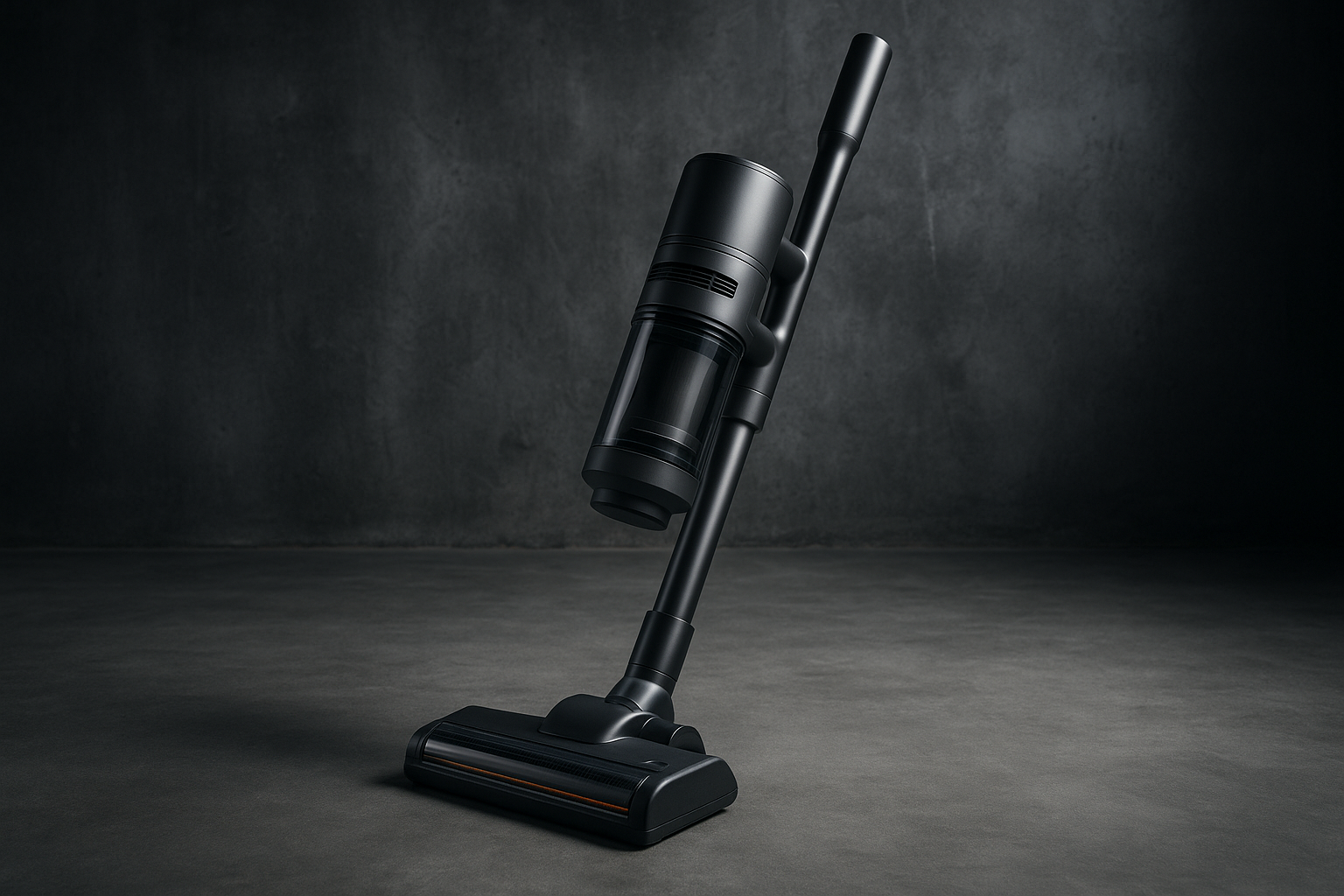
In today’s competitive global appliance market, vacuum cleaner procurement professionals in Europe and the Middle East face increasing pressure to find not just reliable products, but also innovative business models that ensure long-term profitability. One of the most promising approaches is leveraging real-world data from deployed units. By analyzing performance, usage, and lifecycle data, manufacturers and distributors can unlock entirely new revenue streams that go far beyond the initial product sale.
This article explores how vacuum cleaner suppliers and procurement buyers can benefit from data-driven strategies, while also addressing the evolving needs of global B2B buyers.
📊 Why Data from Deployed Units Matters
Every deployed vacuum cleaner in the market is more than just a tool—it’s a data-generating asset. From frequency of use to filter replacement cycles, these data points provide actionable insights for both manufacturers and distributors. Procurement buyers who understand the value of this data can negotiate better supplier partnerships, ensuring they receive products backed by long-term service and innovation potential.
Key advantages include:
Improved After-Sales Revenue: Offering predictive maintenance services.
Subscription Models: Turning consumables and accessories into recurring revenue.
Market Intelligence: Learning how end-users actually use different vacuum models in real-world environments.
🔧 Turning Data into Predictive Maintenance Revenue
One of the strongest use cases of data monetization is predictive maintenance. By embedding sensors in vacuum cleaners, manufacturers can anticipate when a unit might fail or require maintenance. This allows distributors to sell extended service contracts and upsell replacement parts at the right time.
For example, a High Suction Vacuum Cleaner used intensively in a commercial building will generate data showing dust load cycles. Predictive analytics can then alert suppliers to provide replacement filters before breakdowns occur. This proactive model improves customer trust and ensures additional revenue opportunities.
💡 Building Subscription Models with Consumables
Data also makes it possible to build reliable subscription-based business models. For instance, data from Quiet Vacuum Cleaners deployed in residential complexes can reveal when customers will need new dust bags or cleaning fluid. Instead of waiting for the customer to reorder, suppliers can offer an automated replenishment subscription service.
Such a model benefits procurement buyers in Europe and the Middle East by creating predictable, recurring sales streams that stabilize revenue in traditionally cyclical markets.
📱 Expanding Services with Smart Connectivity
The integration of IoT has opened the door to advanced service offerings. For example, a Portable Self-Cleaning Vacuum Cleaner connected to an app can provide real-time alerts to users and share anonymized data with suppliers. Procurement professionals can leverage this connectivity to negotiate better product warranties, while suppliers can generate revenue through premium data-driven services.
Similarly, distributors offering Multi-Functional Durable Vacuum Cleaners can differentiate themselves by bundling cloud-based monitoring solutions. This not only enhances customer experience but also ensures stronger long-term contracts.
🌍 Global Procurement and Market Differentiation
In highly competitive B2B markets, data-enabled products stand out. For instance, Fast Lightweight Vacuum Cleaners are attractive to commercial cleaning services that prioritize efficiency. By analyzing usage data, suppliers can provide insights into optimal cleaning patterns, helping their clients cut costs and maximize productivity.
In the Middle East, where energy efficiency is a key concern, procurement buyers can choose Energy-Saving Efficient Powerful Vacuum Cleaners that provide not only lower energy bills but also long-term sustainability data that proves compliance with government standards. This helps distributors win government contracts and sustainability-conscious clients.
💦 Monetizing Wet & Dry Cleaning Data
The commercial and industrial cleaning sector increasingly demands multifunctional devices. By deploying Large-Capacity Wet Dry Vacuum Cleaners, suppliers can gather data about water usage, debris volume, and downtime cycles. This information enables new service contracts for heavy-duty environments such as construction sites.
At the same time, compact solutions like the Cordless Handheld Vacuum Cleaner are perfect for automotive or quick-use environments. Data from these units can be used to design targeted accessory bundles, increasing profitability per customer.
Even broader opportunities exist with Wet Dry Vacuum Cleaners deployed in hotels and hospitals. Usage data can help procurement buyers understand durability metrics, making purchasing decisions more data-driven.
🤖 Smart All-in-One Devices
Modern B2B buyers are increasingly attracted to multifunctional smart devices. The 4 in 1 Cordless Smart Wet & Dry Vacuum Cleaner exemplifies how IoT-enabled, data-rich appliances can generate recurring revenue models through software upgrades, consumables subscriptions, and usage analytics.
Similarly, suppliers offering Cordless Vacuum Cleaners can leverage data to introduce premium paid features such as adaptive suction control or energy monitoring dashboards.
Finally, distributors targeting niche sectors like automotive cleaning can monetize insights from Car Vacuum Cleaners, offering data-driven partnerships with fleet management companies or car rental firms.
🔒 Data Security and Trust in Procurement
While data offers massive opportunities, procurement professionals must ensure suppliers comply with global data privacy regulations such as GDPR. Trust is paramount, and suppliers who provide transparency in data usage will enjoy stronger relationships with European and Middle Eastern procurement buyers.
✅ Conclusion
Leveraging data from deployed vacuum cleaner units is no longer just a technological advantage—it is a strategic revenue model. For procurement professionals in Europe and the Middle East, this shift represents an opportunity to go beyond traditional sales and embrace recurring, data-driven income streams.
From predictive maintenance to subscription models, from smart connectivity to sustainability insights, data is transforming how vacuum cleaner businesses grow. By embracing these innovations, both suppliers and procurement buyers can secure long-term profitability while offering end customers higher value.
📌 Suitable Audience
European and Middle Eastern vacuum cleaner procurement buyers
B2B vacuum cleaner distributors
Appliance industry entrepreneurs
Cleaning equipment associations
Product development engineers in the vacuum cleaner industry
📌 #Hashtags
#HighSuctionVacuumCleaner, #QuietVacuumCleaner, #PortableSelfCleaningVacuumCleaner, #MultiFunctionalDurableVacuumCleaner, #FastLightweightVacuumCleaner, #EnergySavingEfficientPowerfulVacuumCleaner, #LargeCapacityWetDryVacuumCleaner, #CordlessHandheldVacuumCleaner, #WetDryVacuumCleaners, #4in1CordlessSmartWetDryVacuumCleaner, #CordlessVacuumCleaner, #CarVacuumCleaner, #B2BVacuumCleanerProcurement, #VacuumCleanerSuppliers, #VacuumCleanerDistributors, #VacuumCleanerBuyers, #VacuumCleanerR&D, #SmartVacuumCleanerMarket, #IoTVacuumCleaner, #PredictiveMaintenanceAppliances, #VacuumCleanerDataMonetization, #VacuumCleanerBusinessModels, #VacuumCleanerSubscription, #VacuumCleanerAfterSales, #VacuumCleanerInnovation, #VacuumCleanerProcurementMiddleEast, #VacuumCleanerProcurementEurope, #CommercialVacuumCleaner, #IndustrialVacuumCleaner, #SmartHomeVacuumCleaner, #CordlessCleaningSolutions, #VacuumCleanerForHotels, #VacuumCleanerForHospitals, #VacuumCleanerForOffices, #VacuumCleanerForFactories, #AutomotiveVacuumCleaner, #FleetManagementCleaning, #EnergyEfficientVacuumCleaner, #SustainableVacuumCleaner, #VacuumCleanerExporters, #VacuumCleanerAssociations, #VacuumCleanerEngineers, #VacuumCleanerIndustryGrowth, #VacuumCleanerMarket2025, #ConnectedVacuumCleaner, #VacuumCleanerIoTSolutions, #VacuumCleanerDataSecurity, #VacuumCleanerCustomerInsights, #VacuumCleanerProductDevelopment, #VacuumCleanerCompetitiveAdvantage 📌