Why Customizable Filtration Systems Are a Dealbreaker for Healthcare Industry Buyers
Why are customizable filtration systems a non-negotiable for healthcare vacuum procurement? Explore how filtration innovation, regulatory demands, and product engineering impact medical cleaning technology—and discover industry best practices from CDC, AHE, and WHO.
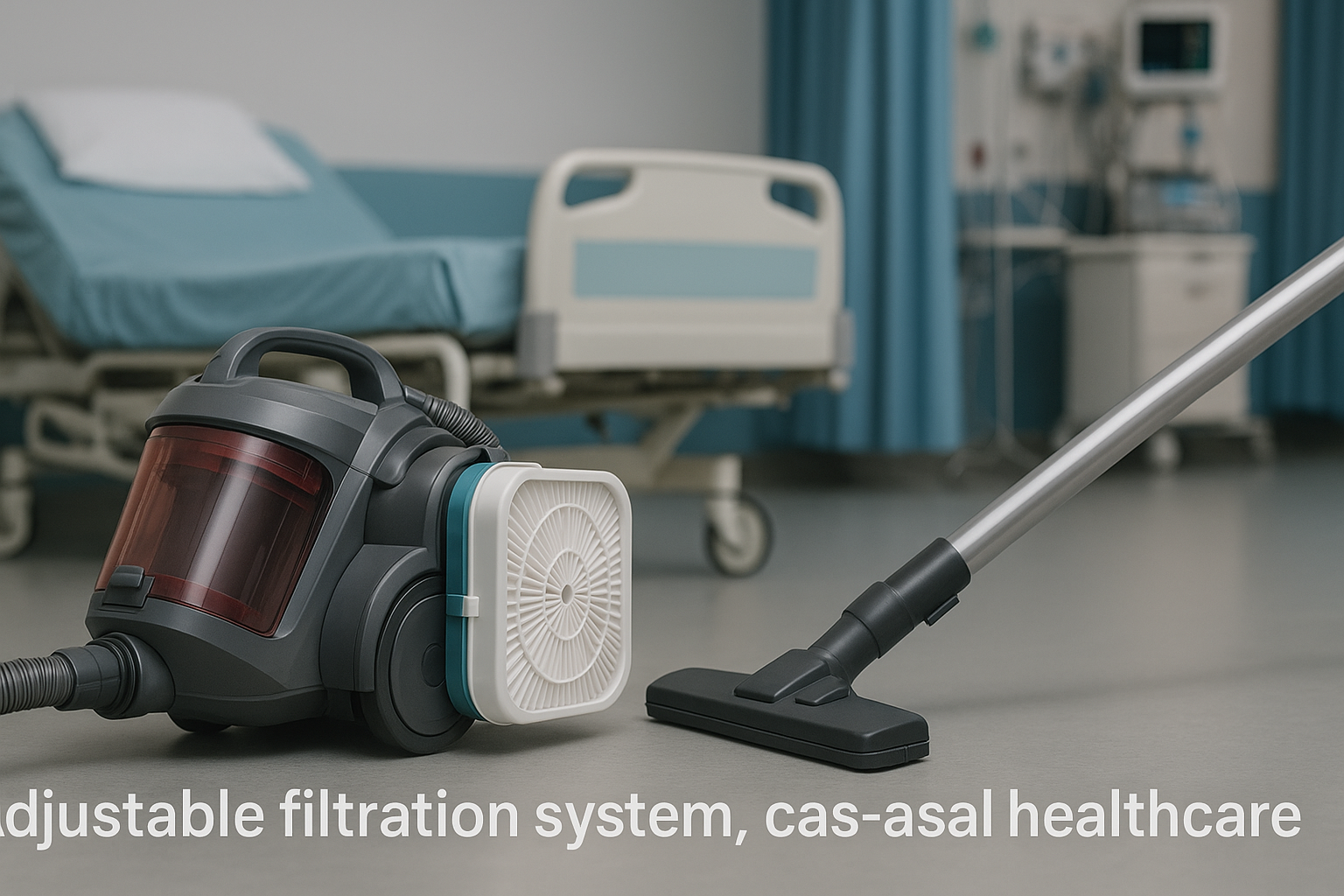
The healthcare sector places unique demands on every piece of equipment, and vacuum cleaners are no exception. With growing concerns about infection control, airborne particles, and patient safety, hospital and clinic procurement teams are no longer satisfied with standard solutions—they demand devices that can be customized to address their specific filtration needs.
The Importance of Custom Filtration in Medical Settings
Medical facilities operate under rigorous standards for particulate and allergen removal. Hospitals must meet and exceed benchmarks set by regulatory authorities like the Centers for Disease Control and Prevention (CDC), especially regarding air quality and pathogen control. These high standards drive procurement professionals to select only vacuum cleaners equipped with filtration systems that can be tailored to meet changing threats, from seasonal allergens to emerging viruses.
In recent years, authoritative bodies such as the Association for the Health Care Environment (AHE) have emphasized the value of customizable filtration in reducing hospital-acquired infections and improving patient outcomes. By requiring solutions that can be adjusted for different zones—operating theaters, patient rooms, labs—buyers can ensure the highest safety standards across the entire facility.
Product Engineering for Next-Level Healthcare Compliance
Manufacturers aiming to serve this market must rethink the way they design cleaning equipment. In response to these clinical requirements, the newest generation of machines combines high suction that efficiently captures contaminants, a portable frame to reach every critical area, quiet technology for undisturbed patient care, advanced self-cleaning features to reduce manual intervention, multi-functional architecture for adapting to various cleaning protocols, durable components for long-term medical use, fast performance to minimize cleaning downtime, lightweight engineering for easy handling by staff, energy-saving operation for sustainable facility management, efficient filtration processes for optimal air quality, powerful suction for stubborn debris, a large-capacity chamber to accommodate extended cleaning cycles, and a dual wet and dry configuration that addresses every scenario, ultimately resulting in a healthcare-grade vacuum cleaner.
The World Health Organization (WHO) maintains resources highlighting the need for flexible, high-performance cleaning devices to support infection control in hospitals worldwide.
Customization as a Procurement Standard
Procurement leaders increasingly treat customizable filtration as a basic requirement, not a premium add-on. They evaluate devices on their ability to be adapted for changing regulations and facility types. Hospitals that implement such solutions gain a competitive edge in accreditation and risk reduction, ensuring better patient outcomes and operational stability.
For healthcare-compliant vacuum cleaning technology and the latest in filtration innovation, visit www.lxvacuum.com.