Hi, message us with any questions.
We're happy to help!





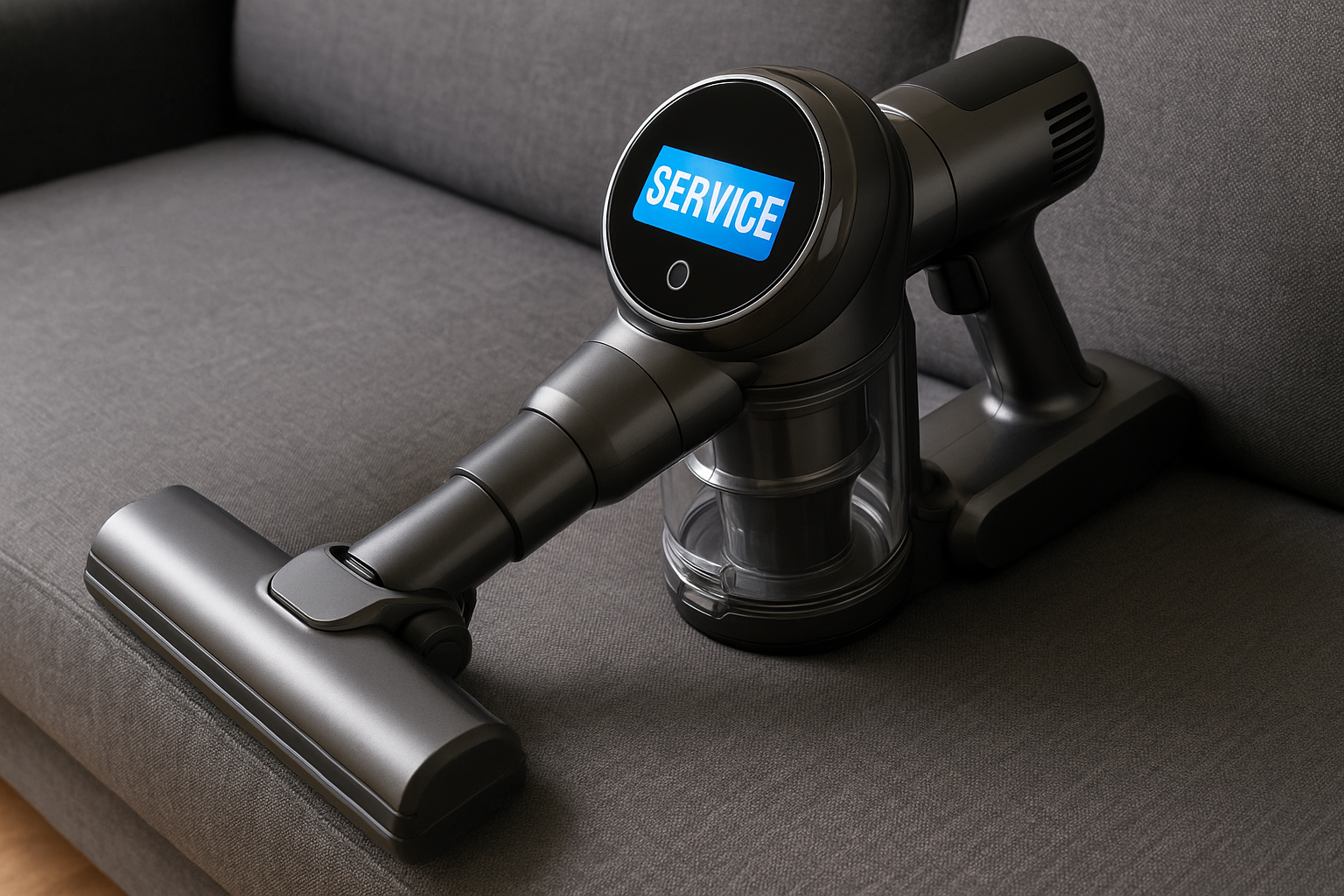
In the past, vacuum cleaners were sold as standalone appliances, with ownership being the only model consumers and businesses considered. But the cleaning industry is now undergoing a major shift: the rise of Vacuum as a Service (VaaS). Just as “software as a service” transformed the tech world, VaaS could redefine how vacuums are marketed, distributed, and monetized. For entrepreneurs and investors in the vacuum cleaner industry across Europe and the Middle East, understanding this disruption is essential to seizing opportunities over the next five years.
1. What Is Vacuum as a Service?
Vacuum as a Service shifts the value proposition from selling units to offering cleaning performance as a subscription. Instead of buying vacuums outright, customers subscribe to a plan that includes equipment, maintenance, replacement, and in some cases, digital monitoring.
For example, a premium package might include access to a High Suction Vacuum Cleaner for industrial environments, while hospitality businesses could subscribe to a Quiet Vacuum Cleaner to maintain low-noise cleaning standards. This transition means companies focus less on the hardware itself and more on guaranteed cleaning outcomes.
👉 Harvard Business School on Subscription Business Models
2. Why VaaS Could Be Disruptive
VaaS disrupts the vacuum industry in several ways:
Revenue transformation: predictable, recurring income streams.
Customer loyalty: contracts foster long-term relationships.
Lower barriers to entry: customers avoid large upfront costs.
Sustainability: vacuums are serviced, repaired, and upgraded rather than discarded.
A Portable Self-Cleaning Vacuum Cleaner fits perfectly in this model, as service providers can ensure filters remain unclogged automatically, minimizing downtime. Similarly, a Multi-Functional Durable Vacuum Cleaner provides longevity, critical for businesses seeking dependable equipment in a subscription package.
3. The Role of Smart Technology in VaaS
Digital connectivity and predictive maintenance will be central to VaaS adoption. IoT-enabled vacuums allow providers to monitor machine performance, schedule maintenance, and predict failures before they occur.
For instance, a 4 in 1 Cordless Smart Wet & Dry Vacuum Cleaner can transmit usage data to providers, ensuring proactive service. A Cordless Vacuum Cleaner offered in a VaaS package becomes part of a broader ecosystem, integrated with apps and digital dashboards for facility managers.
👉 PwC on IoT and Service-Based Models
4. Market Segments Poised for Adoption
Several sectors are primed to adopt VaaS quickly:
Commercial cleaning firms: They value reliable access to Wet Dry Vacuum Cleaners for large spaces without worrying about repair costs.
Hospitality and healthcare: Hotels and hospitals prioritize low-noise and high-performance, making the Energy-Saving Efficient Powerful Vacuum Cleaner and Quiet Vacuum Cleaner essential in subscription contracts.
Automotive detailing: A Car Vacuum Cleaner provided under a subscription enables garages and car wash businesses to maintain professional results affordably.
Industrial clients: Large factories or warehouses benefit from a Large-Capacity Wet Dry Vacuum Cleaner managed under VaaS for continuous, heavy-duty usage.
5. Financial Benefits for Entrepreneurs and Investors
For startups and investors, VaaS presents unique opportunities:
Recurring revenue: predictable income supports financial stability.
Customer lifetime value (CLV): longer relationships generate more profit.
Scalability: subscription packages can expand regionally or globally.
Valuation multiples: service-based models attract higher valuations than traditional hardware sales.
A Fast Lightweight Vacuum Cleaner is particularly attractive for VaaS startups targeting small businesses, offering convenience while keeping service costs manageable.
👉 McKinsey on Subscription Economy Growth
6. Challenges in Implementing VaaS
Despite its promise, VaaS comes with hurdles:
Logistics and maintenance: ensuring timely repairs across geographies.
Data security: IoT-enabled vacuums must comply with privacy regulations.
Customer mindset: transitioning from ownership to subscription requires cultural change.
Capital intensity: providers must initially fund vacuum fleets.
Providers offering a Cordless Handheld Vacuum Cleaner under VaaS must balance portability with durability, ensuring customers get a quality experience without excessive service costs.
7. Strategies for Success in VaaS
To succeed in VaaS, entrepreneurs should:
Focus on niche markets: Start with sectors such as hospitality, healthcare, or automotive.
Bundle services smartly: Combine maintenance, upgrades, and eco-friendly disposal.
Leverage partnerships: Collaborate with cleaning service providers for market access.
Highlight sustainability: Emphasize the reduction of waste through repair and reuse.
Adopt flexible pricing: Tiered subscription models appeal to different budgets.
Conclusion
Vacuum as a Service (VaaS) is more than a trend—it is a disruptive force reshaping the vacuum cleaner industry. By shifting focus from ownership to performance, VaaS creates opportunities for recurring revenue, customer loyalty, and sustainable practices. For entrepreneurs and investors in Europe and the Middle East, the next five years present a critical window to experiment, innovate, and capitalize on this model before it becomes mainstream.
🌐 Learn more: www.lxvacuum.com
📌 Hashtags
High Suction Vacuum Cleaner, Quiet Vacuum Cleaner, Portable Self-Cleaning Vacuum Cleaner, Multi-Functional Durable Vacuum Cleaner, Fast Lightweight Vacuum Cleaner, Energy-Saving Efficient Powerful Vacuum Cleaner, Large-Capacity Wet Dry Vacuum Cleaner, Cordless Handheld Vacuum Cleaner, Wet Dry Vacuum Cleaners, 4 in 1 Cordless Smart Wet & Dry Vacuum Cleaner, Cordless Vacuum Cleaner, Car Vacuum Cleaner, vacuum as a service, subscription cleaning models, VaaS disruption, service-based vacuum economy, IoT-enabled cleaning solutions, predictive maintenance in vacuums, recurring revenue in appliances, startup growth in VaaS, sustainable cleaning business models, investors in cleaning industry, facility management subscriptions, automotive detailing services, hospitality cleaning subscriptions, industrial vacuum service contracts, eco-friendly subscription models, recurring B2B contracts, innovation in vacuum industry, long-term customer value, repair and reuse in appliances, smart subscription ecosystems, service-led product adoption, venture capital in cleaning tech, subscription economy expansion, cleaning industry disruption, new distribution strategies, resilience in subscription models, vacuum cleaner fleet management, VaaS challenges and opportunities, future of cleaning technology, digital dashboards for facility managers, performance-based appliance models, strategic cleaning partnerships, waste reduction in subscription models, international VaaS adoption, B2B subscription frameworks, cross-sector subscription solutions, cleaning technology innovation, subscription-based valuation models, capital intensity in VaaS, hybrid ownership-service models, emerging VaaS trends