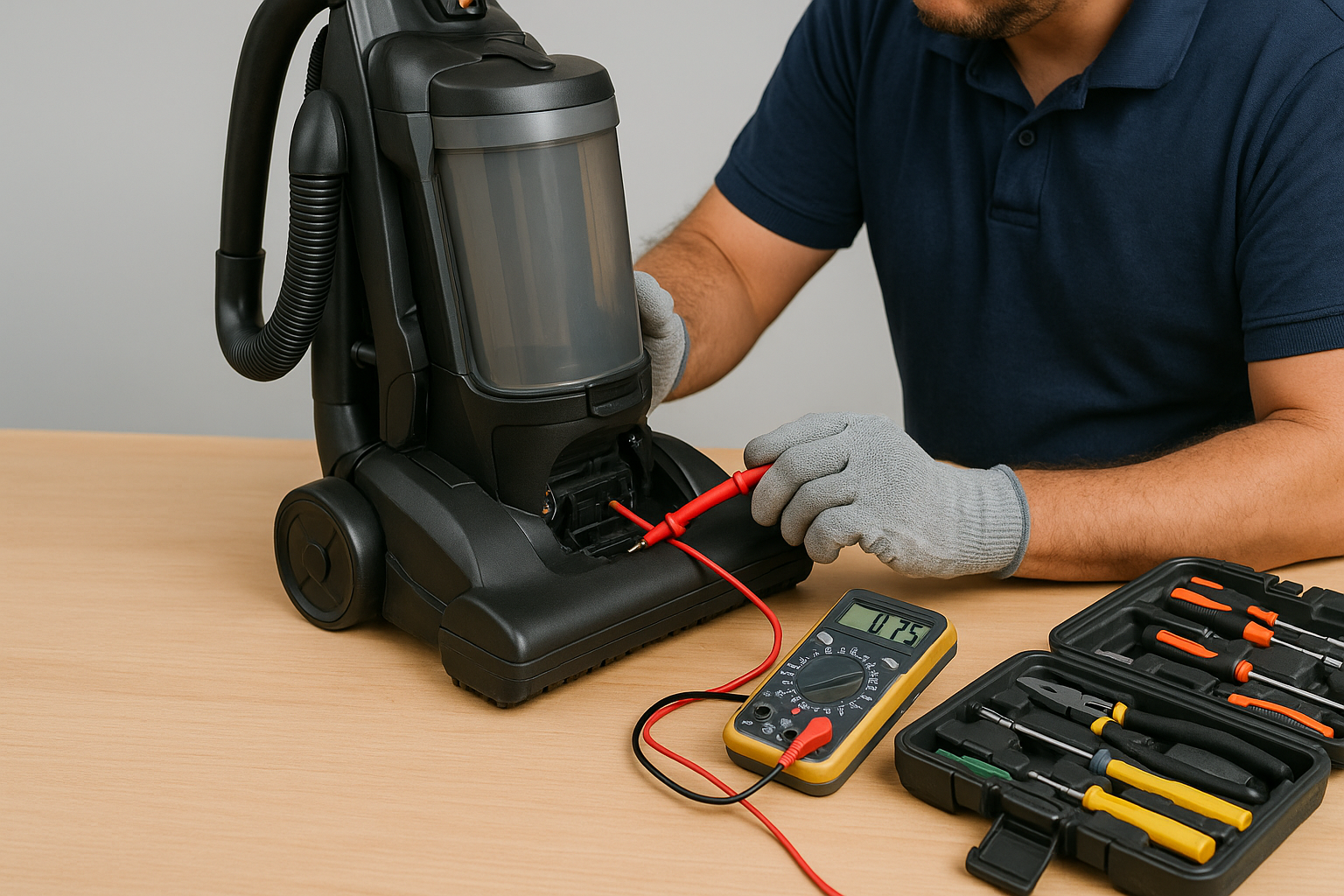
When B2B clients invest in large-scale vacuum cleaner deployments, after-sales support quickly becomes a decisive factor in their satisfaction and long-term loyalty. From troubleshooting to parts replacement and system upgrades, the demands on manufacturers and distributors are more complex than ever before—especially as advanced cleaning machines evolve to serve multi-site, multinational clients.
The Complexity of Modern B2B Support
Today’s business clients expect much more than basic customer service. They require responsive technical support, detailed maintenance guidance, and rapid access to genuine parts. Industry surveys by the International Association of Service Managers (IASM) indicate that the average facility manager ranks “minimizing downtime” and “clear warranty processes” as top pain points when managing high-value cleaning equipment fleets.
Additionally, many pain points stem from a lack of proactive digital tools. Clients increasingly expect real-time remote diagnostics, automated update notifications, and seamless access to support documentation. As noted by Service Council, the companies winning in the after-sales arena are those who invest in digital platforms that integrate field service, supply chain, and customer feedback.
Essential Product Qualities for Reduced Support Burden
Beyond process improvements, the vacuum cleaner itself must be engineered for reliability and versatility. Leading B2B buyers are now demanding solutions that deliver high suction performance to handle commercial messes, remain portable and quiet for multi-zone cleaning, and offer self-cleaning features for reduced manual intervention. Multi-functional configurations, paired with durable construction and fast-operating motors, minimize repair incidents. Lightweight builds improve ease of use for rotating staff, while energy-saving and efficient designs lower operational costs.
If a machine can combine these qualities—offering powerful cleaning with a large-capacity tank and switching effortlessly between wet and dry functions—the need for urgent after-sales intervention is significantly reduced. This is why, according to Field Technologies Online, the future of B2B cleaning is in solutions that are “designed for serviceability,” not just performance.
Engineered to meet these expectations, the newest generation of equipment features high suction that tackles heavy-duty dirt and debris, is portable so it can be moved across facilities, operates quietly to reduce noise disruption, includes robust self-cleaning technology to extend operational life, adapts to multi-functional tasks, is built from durable materials to withstand intensive use, delivers fast cleaning cycles, remains lightweight for staff efficiency, incorporates energy-saving systems for eco-compliance, runs efficiently to maximize uptime, packs powerful motors for high-demand areas, holds large capacities to minimize emptying, and easily transitions between wet and dry applications, making it the perfect vacuum cleaner.
Elevating the Support Experience
Manufacturers and distributors aiming for leadership in after-sales support need to combine excellent logistics, robust training, and accessible support channels. As B2B buyers prioritize ROI and lifetime value, after-sales support becomes a major differentiator. Adopting a data-driven, customer-centric approach is now essential for brands looking to dominate the global cleaning market.
For more B2B cleaning solutions and after-sales resources, visit www.lxvacuum.com.