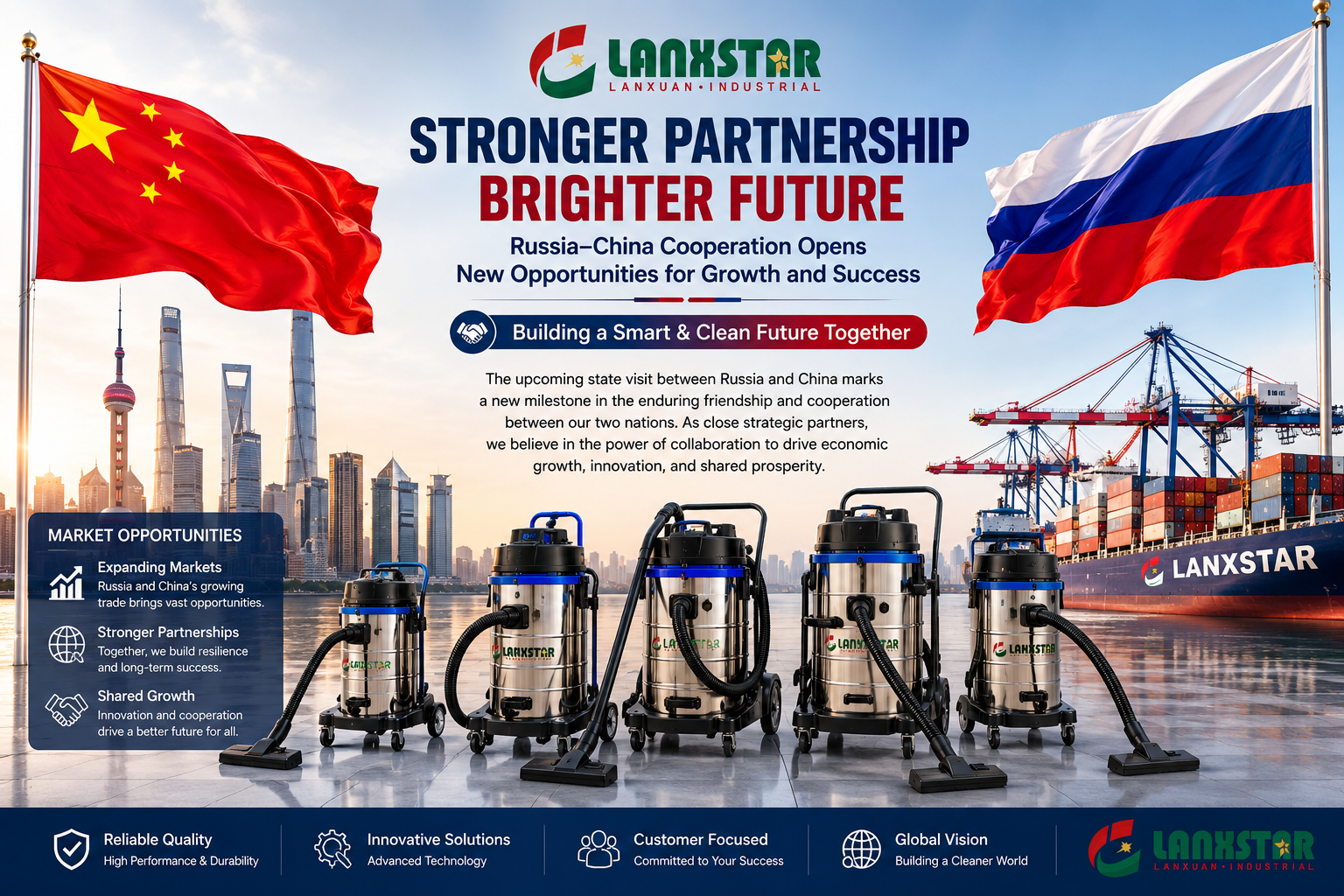
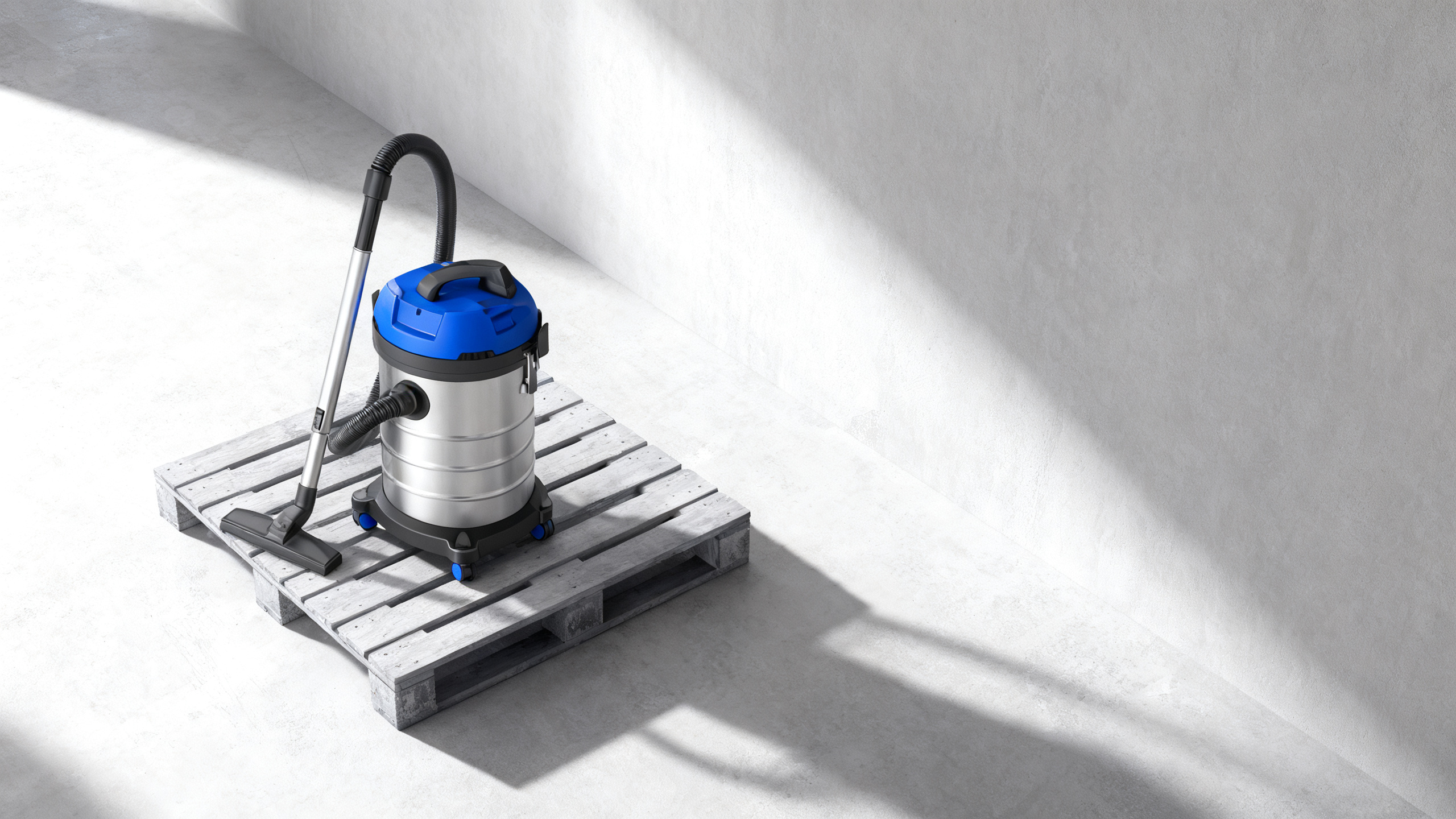
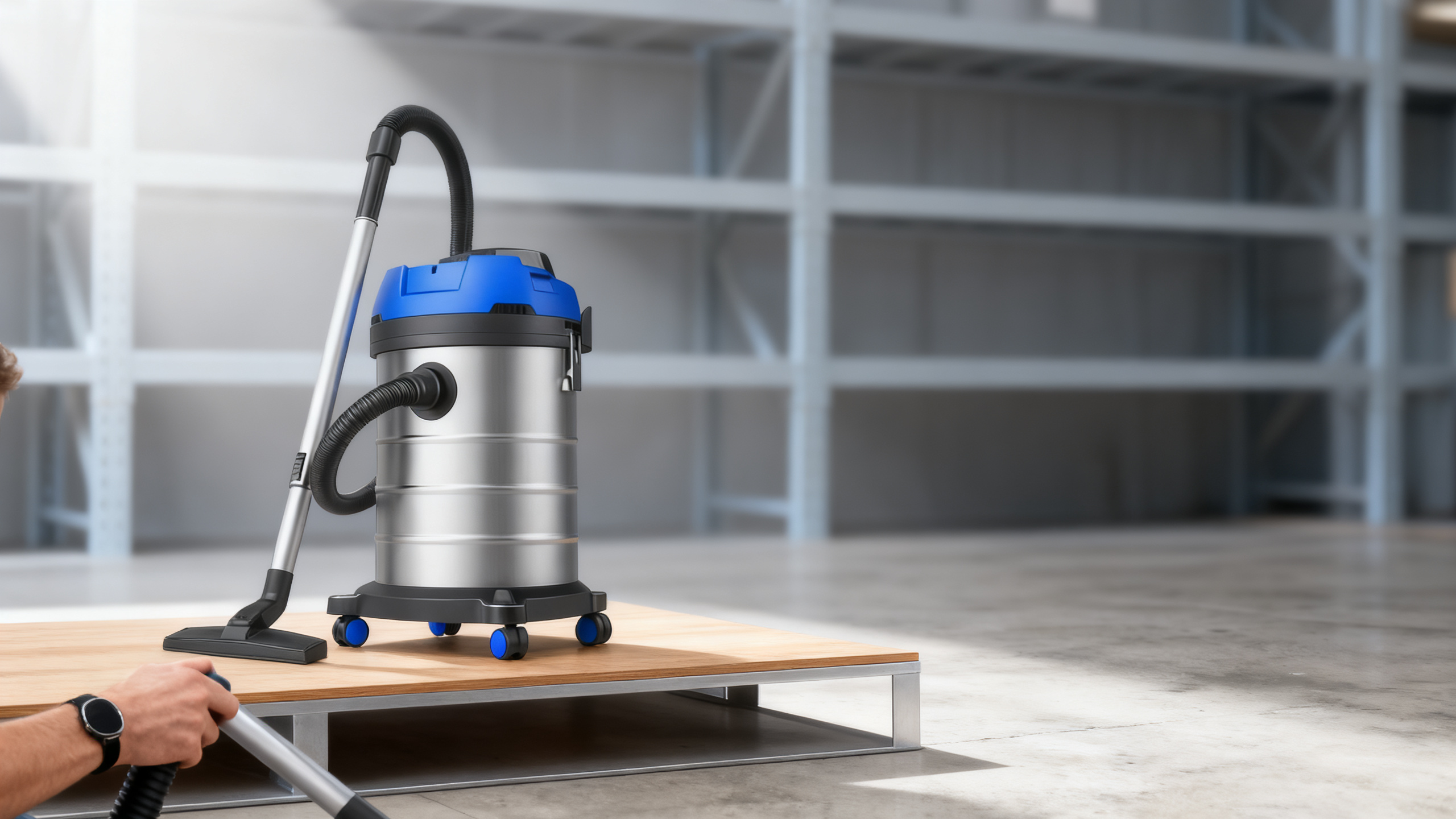
The growing economic and trade cooperation between Russia and China is creating new opportunities for the industrial cleaning equipment market. As factories, warehouses, and manufacturing facilities expand, the demand for durable and high-performance industrial vacuum cleaners continues to rise. Chinese manufacturers are providing advanced stainless steel vacuums, portable industrial cleaners, and customizable OEM solutions that help Russian businesses improve operational efficiency, reduce maintenance costs, and maintain cleaner working environments. With strengthened bilateral trade relations, Russian distributors and industrial operators can benefit from reliable supply chains, innovative vacuum technologies, and cost-effective industrial cleaning equipment solutions.
This guide explains the difference between vacuum cleaner wholesale price and landed cost. It covers FOB pricing, freight, duties, VAT, hidden fees and how to calculate true landed cost for commercial and wet dry vacuum imports from China.Y4
This guide reveals the hidden costs when importing cleaning equipment. It covers freight surcharges, demurrage, compliance testing, warranty reserves, spare parts inventory and currency risk for B2B buyers sourcing wet dry or commercial vacuums from China.Y3
This guide explains how to calculate landed cost for imported vacuum cleaners. It covers FOB price, freight, insurance, duties, VAT, hidden fees and profit margin formulas for B2B buyers sourcing commercial, wet dry or OEM vacuums from China.Y2
This guide compares SKD, CKD and complete vacuum cleaner import models. It covers duty savings, local assembly requirements, quality control risks, MOQ and which strategy suits importers sourcing wet dry, commercial or OEM vacuum cleaners from China.Y1
This guide explains why vacuum cleaner packaging size matters to importers. It covers how carton dimensions affect freight cost, container utilization, damage rates, warehouse storage and retail shelf fit when sourcing wet dry and commercial vacuums from China.Y3
This guide explains how manufacturers optimize vacuum packaging for container loading. It covers carton design, product nesting, drop testing, floor loading efficiency and the cost savings that better packaging delivers to B2B importers of wet dry and commercial vacuum cleanersY4